

TL;DR
Gluten sensitivity can lead to vitamin B3 (niacin) deficiency by damaging the small intestine, disrupting absorption, and interfering with the conversion of tryptophan to niacin. This deficiency can cause fatigue, skin inflammation, mood changes, and in severe cases, pellagra. To restore niacin levels, focus on gluten-free, nutrient-rich foods like meat, fish, mushrooms, and seeds, while avoiding grain-based products, especially corn.
Can gluten cause vitamin B3 deficiency?
Yes. Gluten can contribute to vitamin B3 deficiency in people with celiac disease or gluten sensitivity by damaging the small intestine, reducing nutrient absorption, increasing diarrhea-related nutrient loss, and potentially interfering with nutrients needed to convert tryptophan into niacin. Severe vitamin B3 deficiency can lead to pellagra, which is classically associated with dermatitis, diarrhea, dementia, and, if untreated, death.
This risk is especially relevant in people with celiac disease, chronic diarrhea, inflammatory bowel conditions, alcohol use disorder, eating disorders, or diets heavily dependent on corn or refined gluten-free grain products.
Does Gluten Cause Vitamin B3 (Niacin) Deficiency?
Niacin, also known as vitamin B3, was first isolated and identified as a treatment for a condition known as pellagra, which primarily causes inflammation of the skin (dermatitis), diarrhea, and dementia. Often times referred to as the three D’s of pellagra, if left untreated, niacin deficiency can lead to a 4th…death.
Since then, niacin has been used to treat and prevent a wide range of abnormalities and diseases. So let’s take a closer look at the roles niacin plays in your body to help explain why it’s essential for optimal health. We’ll also discuss how gluten can cause a niacin deficiency as well as what foods to eat to increase your niacin intake.
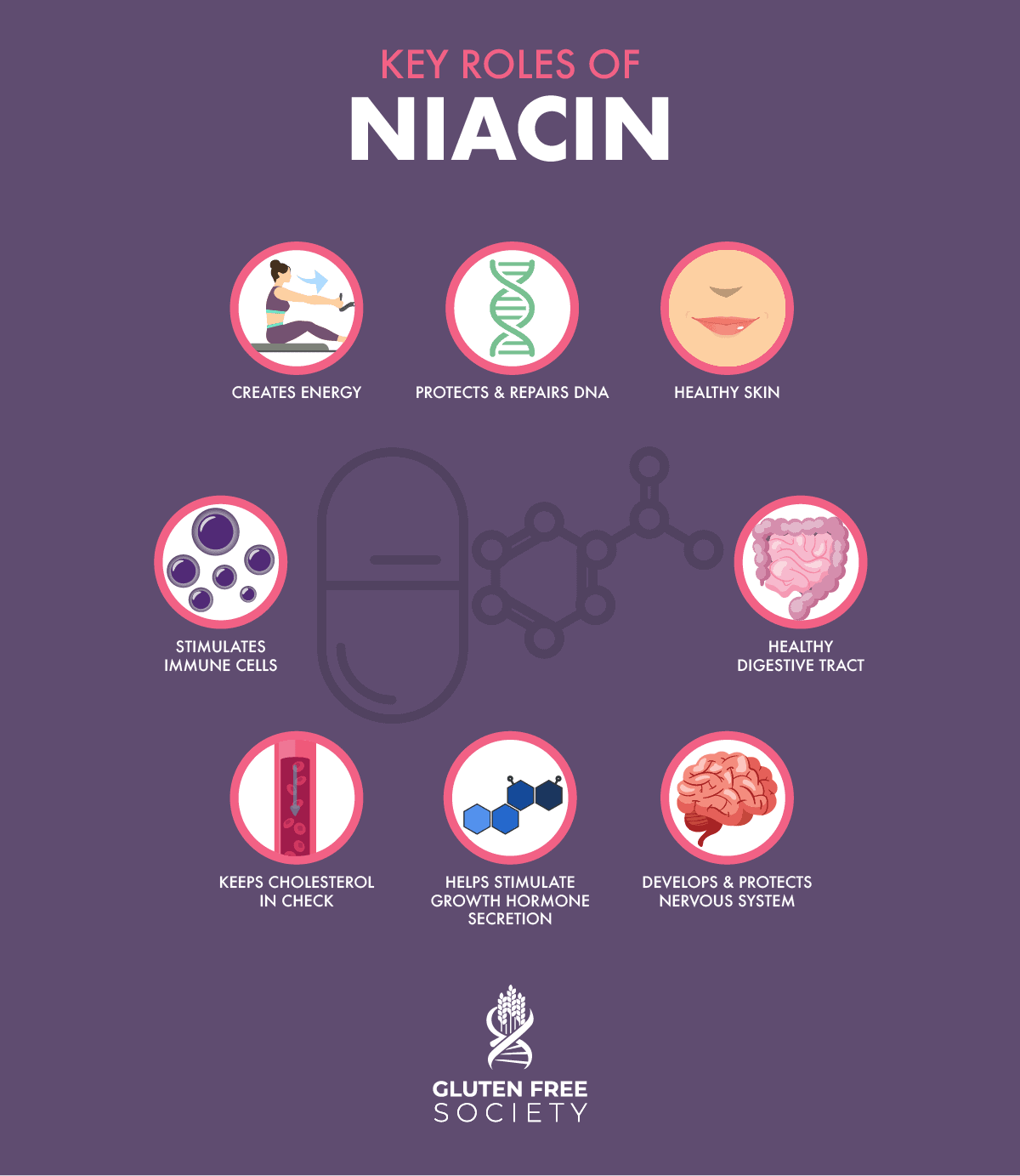
Key Roles of Niacin
Niacin from food is converted into nicotinamide adenine dinucleotide (NAD) and NAD phosphate (NADP). These active forms of niacin are then used by enzymes to perform energy-producing chemical reactions. Thus, your cells would struggle to make energy without them.
NAD works with many other enzymes as well, including those responsible for protecting and repairing your DNA. This helps explain why deficiencies are linked to advanced aging and degenerative diseases. In fact, studies have shown that niacin acts as a powerful antioxidant and anti-inflammatory agent. Plus, research has shown that the incidence of cancer and oxidative stress increases as NAD-dependent enzyme activity decreases.
NAD-dependent enzymes are also involved in regulating other important functions, including DNA replication, insulin secretion, gene expression (turning on and off genes), and cell death.
Niacin is essential for healthy skin. It’s been studied and used widely in the skincare industry as an anti-aging treatment. Evidence suggests that many of the benefits are associated with the NAD and NADP-related enzymes and their antioxidant capacity. Studies have shown that niacin can help keep your skin hydrated, prevent age spots, reduce fine lines and wrinkles, reduce redness and blotchiness, and improve your skin’s elasticity.
NAD has been shown to activate receptors that stimulate immune cells and control involuntary movements in smooth muscle, especially those necessary to move food through your digestive tract.
Research suggests that niacin helps keep your cholesterol in check by degrading excess LDL and VLDL cholesterol as well as inhibiting the synthesis of triglycerides. This helps explain why niacin is often prescribed alone or in conjunction with statin medications to help lower cholesterol. It’s also been shown to reduce the incidence of heart-related complications in patients with diabetes.
In addition, niacin treatments have helped stimulate the secretion of growth hormone by lowering triglycerides in the blood. Because high triglycerides inhibit the secretion of growth hormone.
Finally, niacin plays an important role in the development and protection of your nervous system. It’s been shown to reduce inflammation and oxidative stress in the brain associated with neurological conditions, such as Alzheimer’s and Parkinson’s disease.
Niacin Deficiency and Gluten
The niacin your body uses comes from food. But your liver also makes niacin from the amino acid (smallest unit of protein) tryptophan. Therefore, it’s important to consume both niacin and tryptophan.
Niacin can be absorbed through your stomach, but a majority is absorbed through your small intestine. And this presents a problem for those with gluten sensitivity. Because gluten damages the lining of the small intestine, which leads to incomplete digestion and nutrient malabsorption.
We know that those with celiac disease experience vitamin and mineral deficiencies, especially before implementing a gluten-free diet. And intestinal malabsorption is a proposed mechanism of pellagra, a disorder caused by niacin deficiency.

In addition, diarrhea is a common symptom of gluten sensitivity. This can further contribute to a niacin deficiency as the niacin is flushed out of the body instead of being absorbed.
Plus, gluten-induced malabsorption increases your risk of copper deficiency. And copper deficiency can affect the conversion of tryptophan to niacin in your liver.
It’s also important to note that hormones (e.g., insulin and estrogen) modulate the pathway used to convert tryptophan to niacin. And gluten can disrupt the balance of these hormones, which I discuss in detail here.
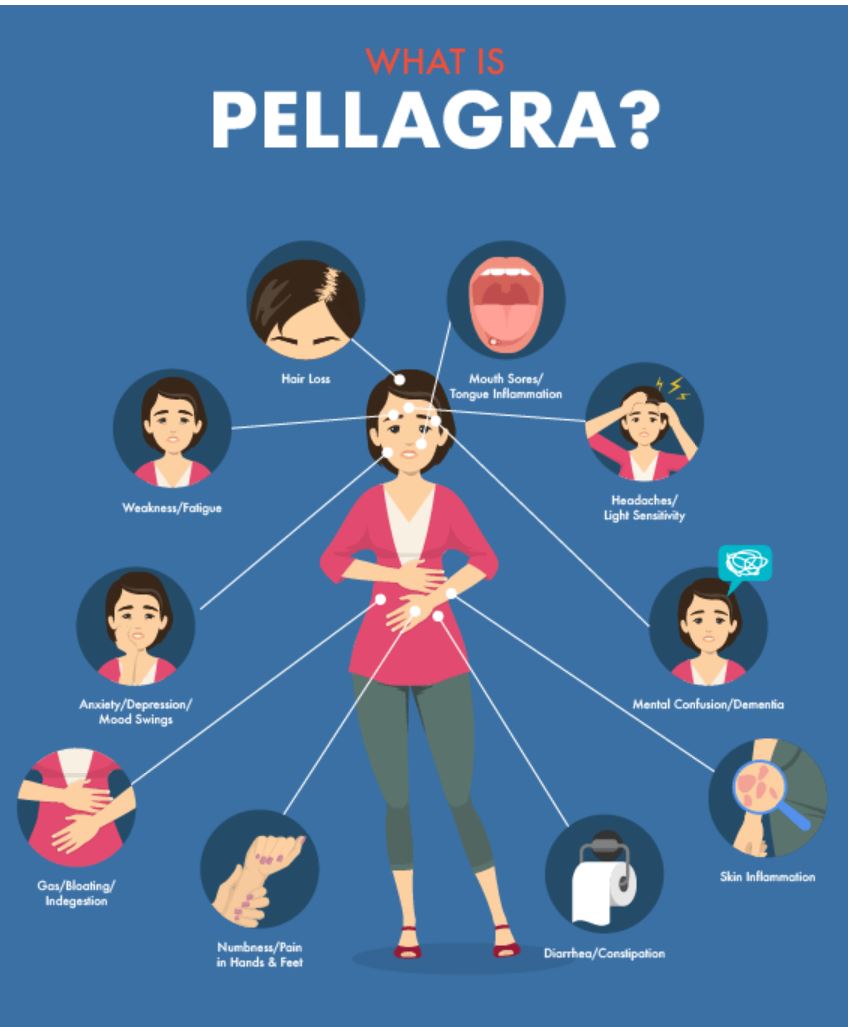
Thus, a gluten-free diet is essential for those with gluten sensitivity to prevent pellagra. Symptoms to look out for include:
| Body System | Possible Symptoms |
|---|---|
| Skin | Sun-sensitive rash, dermatitis, redness, scaling, inflammation |
| Digestive tract | Diarrhea, constipation, indigestion, gas, bloating, mouth sores, glossitis |
| Brain and mood | Headaches, anxiety, depression, mood swings, confusion, memory problems, dementia-like symptoms |
| Nerves | Numbness, burning, pain in hands or feet |
| Energy | Fatigue, weakness, low stamina |
| Hair and mouth | Hair loss, tongue inflammation, mouth sores |
If left untreated, pellagra can be deadly. So please don’t ignore these symptoms if you have them!
Eating disorders, alcoholism, AIDS, and cancer can also increase your risk of developing pellagra.
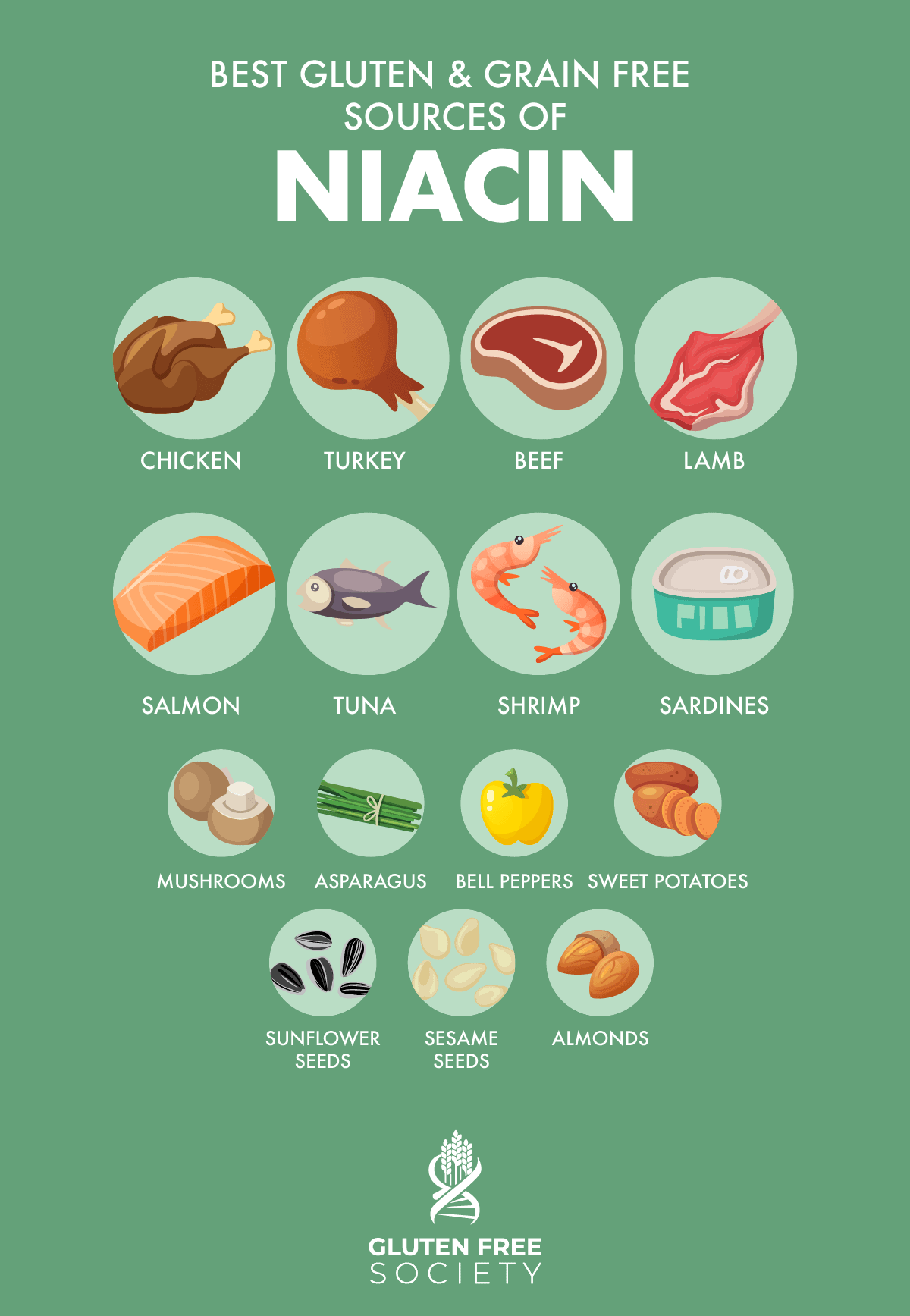
Best Gluten and Grain Free Food Sources of Niacin
The most concentrated sources of niacin are meat and fish, including:
- Tuna
- Chicken
- Salmon
- Sardines
- Beef
- Turkey
- Lamb
- Shrimp
Not surprisingly, many of the foods listed above are also excellent sources of tryptophan. Because nature often magically packages nutrients that work together in the human body.
You’ll also find niacin in plant foods, such as:
- Mushrooms
- Asparagus
- Bell peppers
- Sweet potatoes
- Sunflower seeds
- Sesame seeds
- Almonds
But don’t be fooled by the niacin content in grains. Because the bioavailability of niacin in grains, especially corn, is much lower compared to meat and fish. So if you think you’re getting enough niacin by eating gluten-free corn-based products, think again! In fact, pellagra is common among populations that eat mostly corn.
Some vitamins are sensitive to heat or light, but not niacin. So it won’t degrade when you’re cooking a delicious salmon fillet or a juicy rib-eye steak.
Finally, I want to point out that it’s impossible to overdo your niacin intake with food. But there are some known side effects with niacin-based medications and supplements, such as facial flushing, diarrhea, nausea, and more. So please be sure to consult with a licensed healthcare professional before supplementing.
Checkout the live discussion of this article below:
FAQ
Can gluten cause vitamin B3 deficiency?
Yes. In people with celiac disease or gluten sensitivity, gluten may contribute to vitamin B3 deficiency by damaging the small intestine, increasing diarrhea-related nutrient loss, and impairing nutrient absorption.
What is pellagra?
Pellagra is a severe disease caused by vitamin B3 deficiency. It is classically associated with dermatitis, diarrhea, dementia, and death if untreated.
Can celiac disease cause pellagra?
Celiac disease can increase the risk of pellagra by causing small intestinal damage and malabsorption. Pellagra is uncommon, but it should be considered when gluten-sensitive patients develop skin, digestive, neurological, or psychiatric symptoms.
What are the early signs of vitamin B3 deficiency?
Early signs may include fatigue, weakness, poor digestion, mouth sores, skin inflammation, sun sensitivity, mood changes, headaches, and brain fog.
What is the best form of vitamin B3?
The best form depends on the goal. Nicotinic acid may cause flushing but has lipid-related effects. Niacinamide is a common non-flushing form. NR and NMN are NAD precursors often used for cellular energy and healthy aging support. For a deep dive break down on the best forms of niacin read: Vitamin B3: Benefits, Deficiency Symptoms, Food Sources, Testing, and Safe Dosage
What foods are highest in niacin?
Grain-free niacin-rich foods include tuna, salmon, chicken, turkey, beef, sardines, lamb, mushrooms, sunflower seeds, sesame seeds, and almonds.
Are gluten-free grains a good source of niacin?
Not necessarily. Many gluten-free processed foods rely on corn or refined starches. Corn-based diets have historically been associated with pellagra when niacin is poorly bioavailable and the diet lacks adequate protein.
How do you test for niacin deficiency?
Niacin deficiency is often evaluated through diet history, symptoms, risk factors, and nutrient testing. Intracellular nutrient analysis may help identify broader B-vitamin deficiency patterns in gluten-sensitive patients.
Can too much niacin be harmful?
Yes. High-dose niacin can cause flushing, itching, digestive upset, liver stress, blood sugar changes, and medication interactions. Therapeutic dosing should be supervised.
Should people with gluten sensitivity take vitamin B3?
Some may benefit, especially if they have symptoms or documented deficiency. The best approach is to remove gluten exposure, improve niacin-rich food intake, and test nutrient status instead of guessing.





One Response
I had a bought with this, in winter from walking in the sun here in PA, and Dr osbourne’s site educated me on my symptoms and issues entirely and using Vit B3 drop literally cleared this up and helped with the associated symptoms!