new to the gluten free journey?

Most people have been taught to fear inflammation. They hear the word inflammation and think of pain, swelling, stiffness, autoimmune flares, tissue damage, or chronic disease. That fear is understandable, but also unnecessary. Here is why. Inflammation is one of your body’s most important functions.
You need inflammation to fight infection. You need inflammation to heal wounds. You need inflammation to repair injured tissue. You need inflammation to call immune cells into action when there is damage, trauma, toxins, irritation, or microbial invasion. The caveat is that inflammation becomes destructive when it is chronically driven, and the body cannot resolve it appropriately.
A healthy inflammatory response has a beginning, a middle, and an end.
That third step is called resolution. This is where SPMs come in. SPMs, short for specialized pro-resolving mediators, are fat-derived compounds your body makes primarily from essential omega-3 fats like EPA and DHA. These compounds help your immune system transition from inflammatory attack mode into cleanup, repair, and restoration mode.
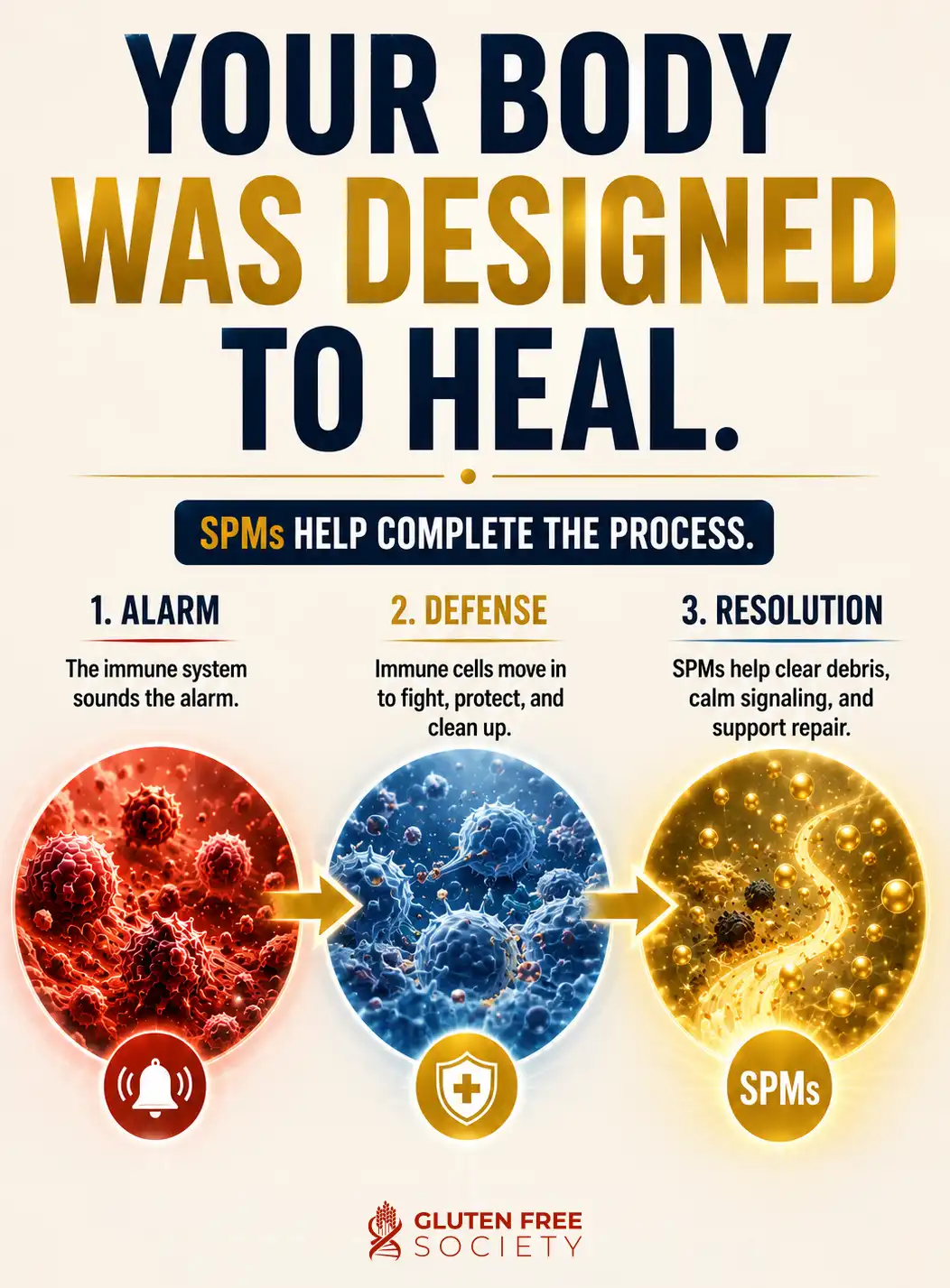
Taking SPM supplements for inflammation is a major ongoing area of scientific research right now, because most anti-inflammatory strategies focus on blocking inflammation. SPMs support the body’s ability to resolve inflammation.
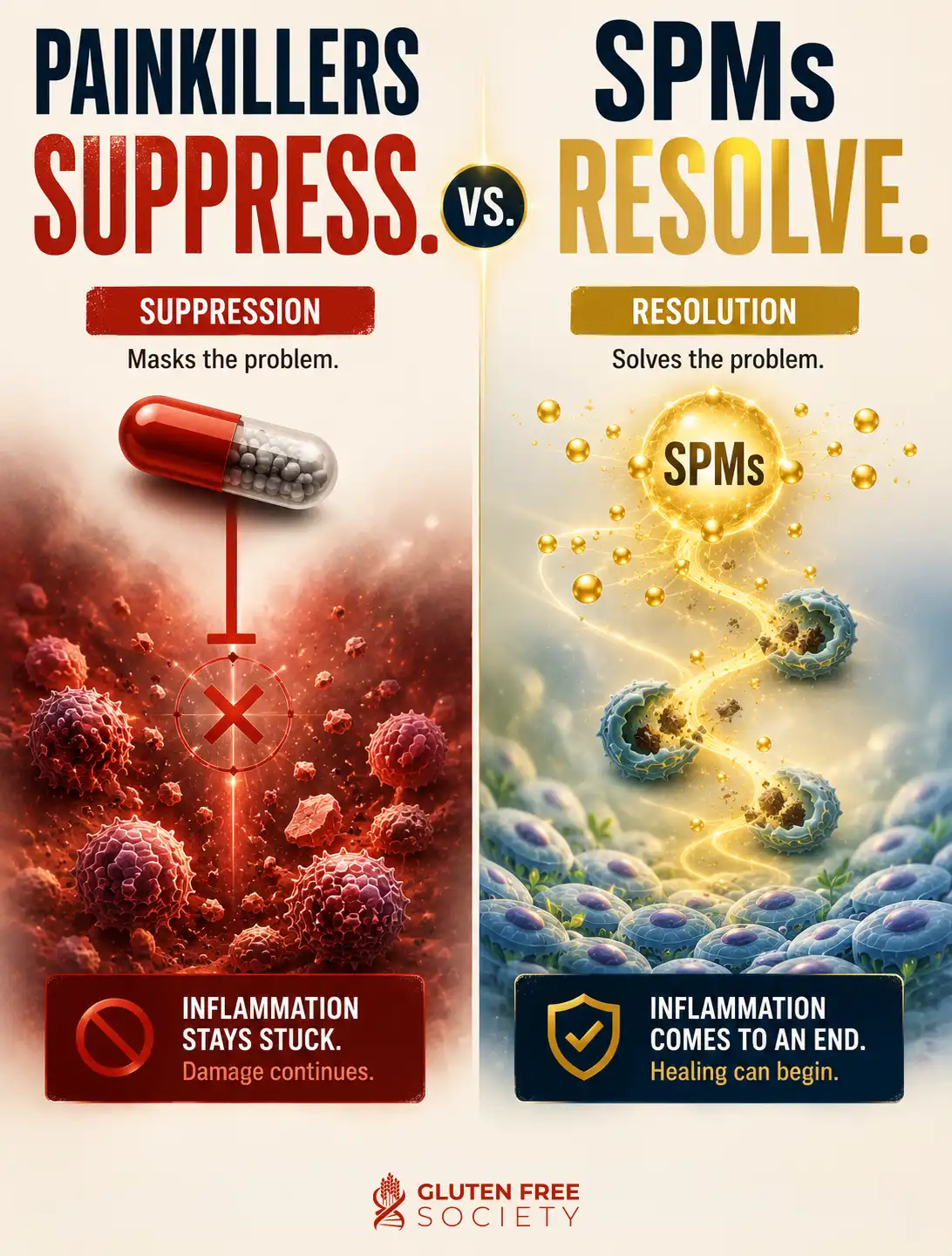
Blocking inflammation is like turning down a smoke alarm. Resolving inflammation is like putting out the fire, clearing the debris, repairing the damage, and restoring the building. If you struggle with chronic pain, joint stiffness, autoimmune flares, lingering injuries, post-exercise soreness, inflammatory symptoms, or pain that keeps coming back, you need to understand the difference between suppressing inflammation and resolving inflammation.
SPMs, or specialized pro-resolving mediators, are natural lipid compounds that help the body actively resolve inflammation. They are made from essential fatty acids, especially the omega-3 fats EPA and DHA. SPMs help immune cells clear damaged tissue, reduce excessive inflammatory signaling, support tissue repair, and guide inflamed tissue back toward normal function.
Modern research has shown that inflammation often becomes chronic when the body fails to enter into the final stage of resolution. Resolution is an active biochemical process controlled by specific signaling compounds. SPMs are among the most important of those compounds. SPM supplements for inflammation may be one of the greatest scientific breakthroughs for those suffering with chronic pain and inflammatory issues.
SPM’s – AKA Specialized Pro-resolving Mediators. They are small lipid signaling molecules made from essential fatty acids consumed in the diet. The best-known SPMs are produced from the omega-3 fats EPA and DHA, though other fatty acid pathways can also contribute to pro-resolving compounds.
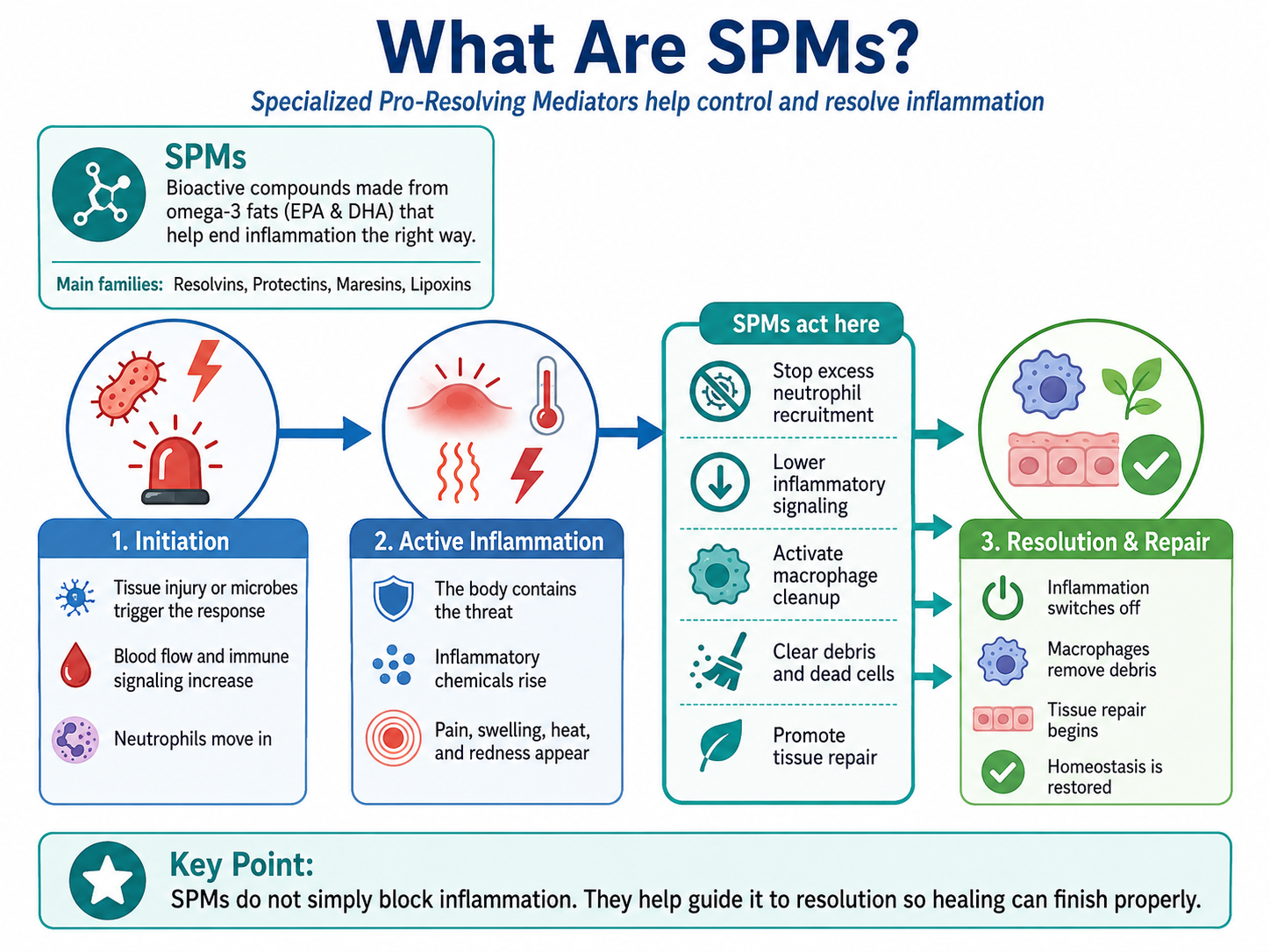
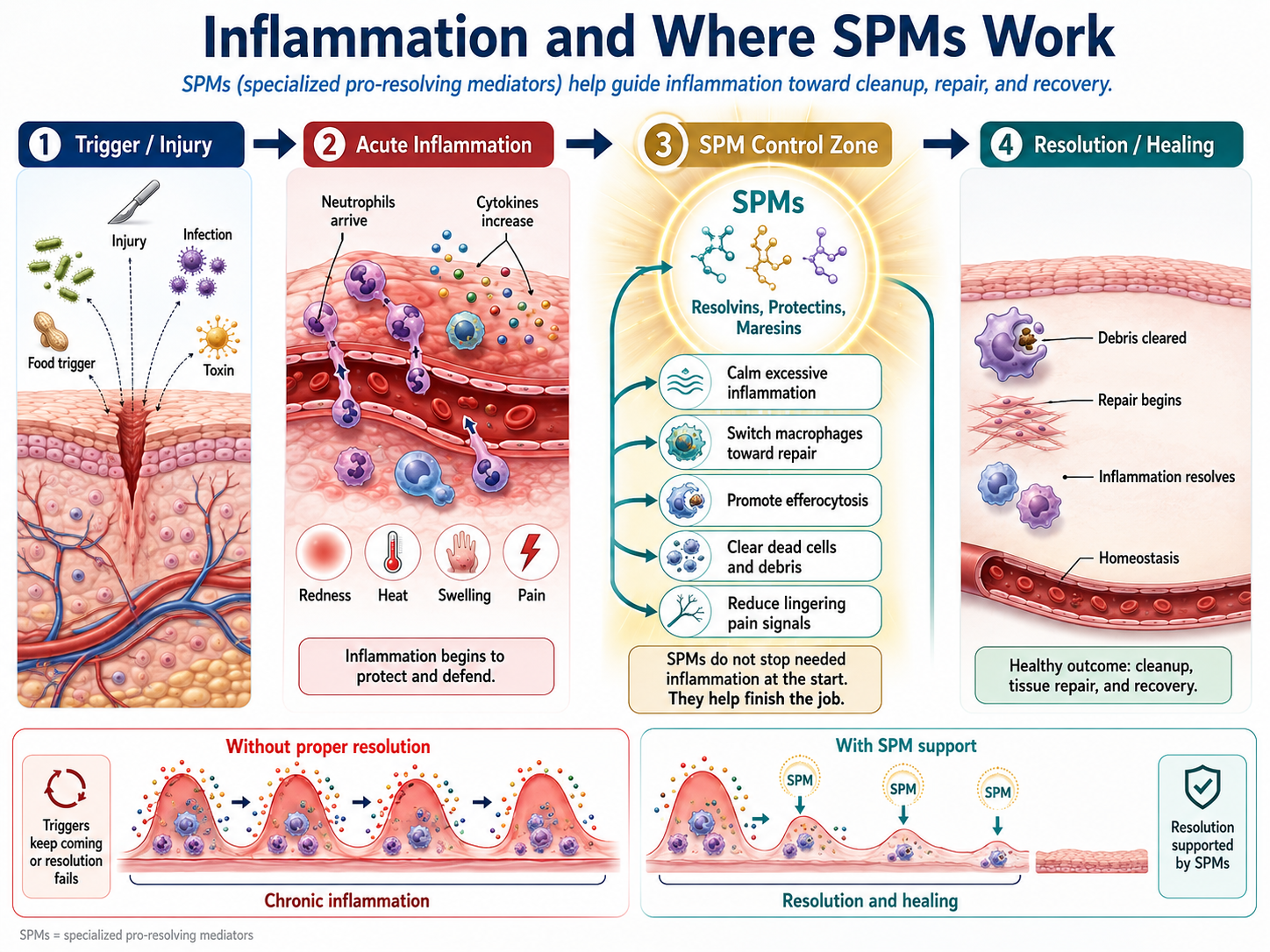
The body uses SPMs to help finish the inflammatory response. Generally speaking, inflammation is supposed to follow a 3 step sequence. The initiation phase begins when tissue is injured, irritated, infected, or exposed to a trigger. The active inflammation phase brings immune cells into the tissue to fight, break down damaged material, and protect the body. The resolution phase clears dead cells, removes debris, calms inflammatory signaling, restores immune balance, and supports tissue repair.
SPMs help coordinate that resolution phase. That is why they are called “pro-resolving.” They help the body complete or resolve the inflammatory response rather than simply suppressing it (See illustration below).
Inflammation is useful when it is short-term and purposeful. A cut on your hand should trigger inflammation. A virus should trigger inflammation. A sprained ankle should trigger inflammation. Damaged tissue should trigger inflammation.
Trouble develops when inflammation keeps going without a proper resolution phase. This typically happens when there are persistent unknown inflammatory triggers. The consistent exposure to triggers keeps the body in a state of chronic immune activation; contributing to pain, swelling, stiffness, fatigue, tissue breakdown, poor recovery, and immune dysregulation.
Many people try to block inflammation repeatedly without identifying why the inflammatory process keeps restarting or why resolution is incomplete.
**Important note: SPMs support a critical part of the healing process: resolution.
They do not replace root-cause investigation. If the inflammatory trigger(s) are still present, the trigger(s) still need to be removed. If the body is deficient in the nutrients needed to complete the inflammatory cycle, those nutrients need to be provided and replenished. This is where most people fail. They try to supplement, but never investigate what is triggering their chronic inflammation. The best clinical model is to simply test, don’t guess. Identify the trigger(s). Remove the trigger(s). Restore the nutrients. Support the repair process.

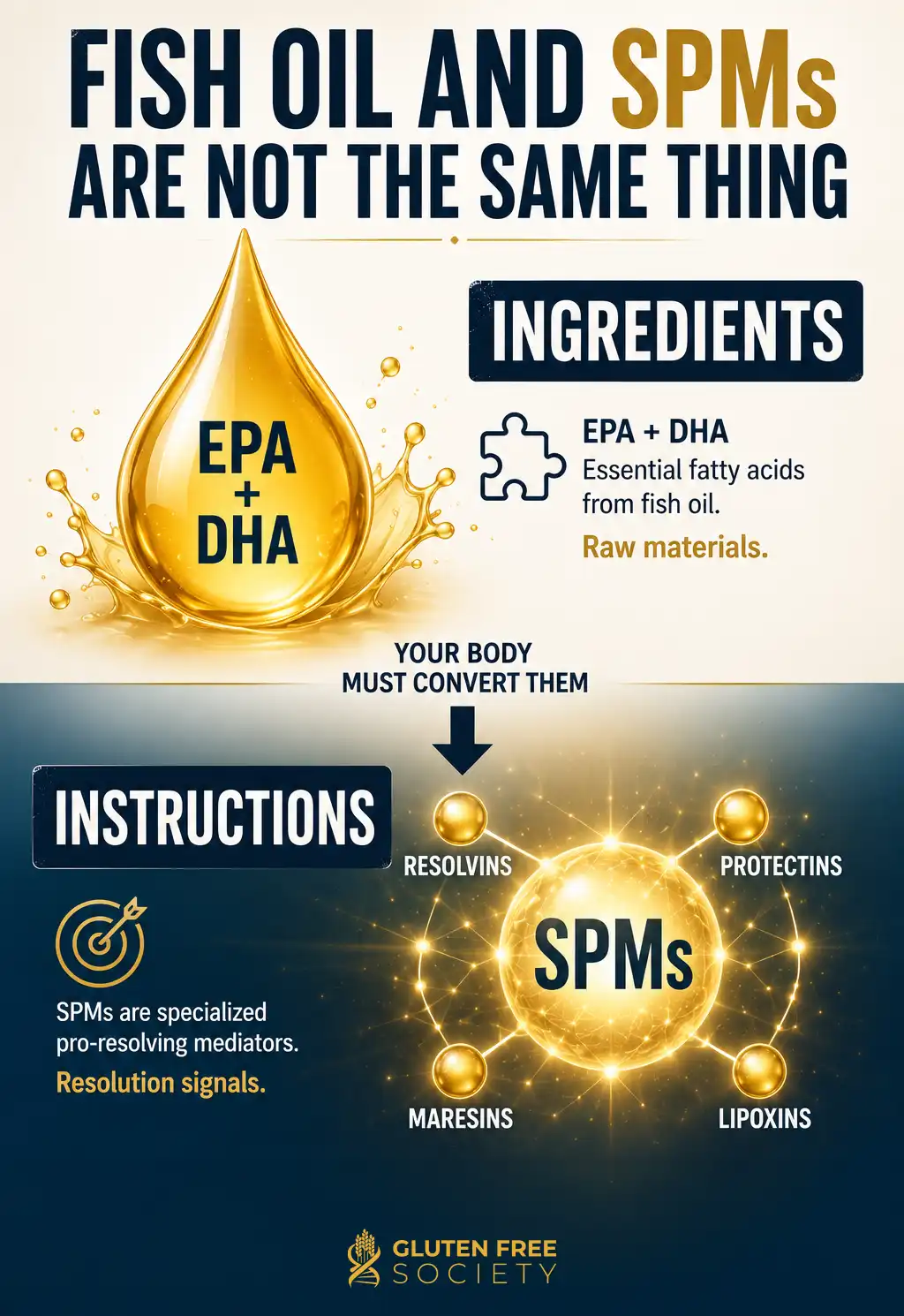
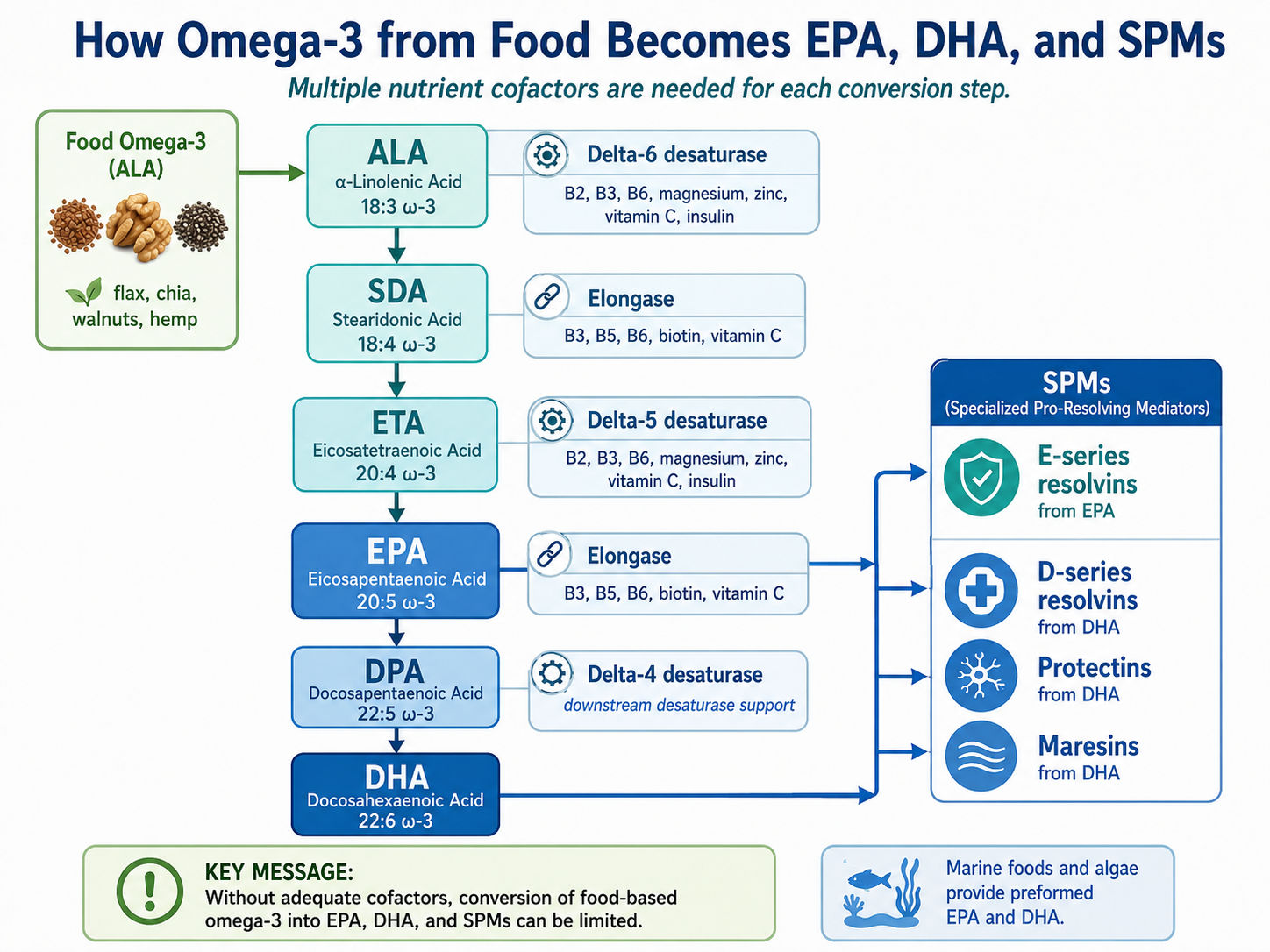
SPMs and fish oil are related, but they are not the same thing. Fish oil usually provides the omega-3 fatty acids EPA and DHA. SPMs are downstream compounds that can be made from EPA and DHA. The following diagram illustrates how EPA an DHA are converted into SPMs. Note that the biochemical reactions require iron, vitamin B2, and vitamin B3.
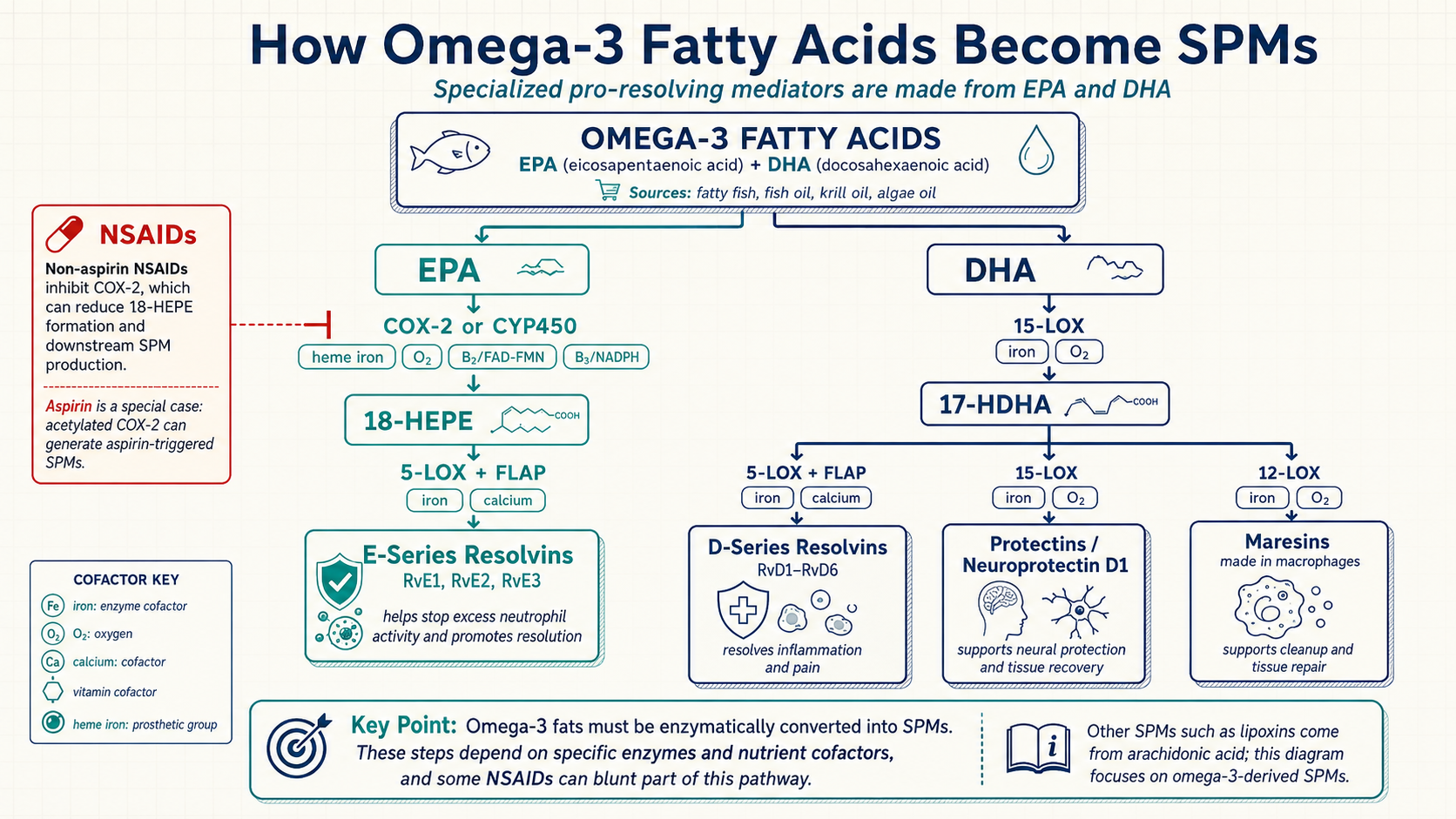
This explains why some people take fish oil and still do not get the inflammatory relief they expected. The body has to convert EPA and DHA into downstream compounds, including resolvins, protectins, and maresins.
That conversion is not equally efficient in every person. Conversion can be affected by a wide variety of factors to include:
Fish oil can be incredibly useful when someone is low in omega-3 fats. SPMs represent a more targeted category of supplement because they focus on supporting the resolution phase of inflammation.
| Category | Omega 3 Fats | SPMs |
|---|---|---|
| Primary compounds | EPA and DHA | Pro-resolving lipid mediators or pathway compounds |
| Main role | Provides omega-3 raw materials | Supports inflammation resolution signaling |
| Common use | Omega-3 support, heart, brain, immune health | Chronic inflammation, pain, repair, recovery |
| Key concept | Supplies building blocks | Helps coordinate resolution |
| Main question | Am I getting enough omega-3? | Is my body resolving inflammation properly? |
Research shows that those with autoimmune disease, diabetes, metabolic syndrome, obesity, and other types of chronic inflammatory diseases are low in SPM’s. In part because the internal stores are used faster than they can be produced. Additionally, human studies show that supplementing with SPMs can increase their concentrations.
SPMs help coordinate several critical steps in the resolution phase of inflammation.
SPMs help regulate the immune response so it does not continue longer than necessary. They are not immune suppressants in the way many drugs are. They do not simply shut down the immune system. They help the immune system complete the inflammatory sequence. This makes them especially interesting from a nutritional perspective because they work with the body’s normal healing design.
Macrophages are immune cells that function like the cleanup crew. During inflammation, tissues can accumulate damaged cells, dead cells, oxidized fats, cellular debris, and inflammatory waste. That debris has to be cleared before healthy repair can take place.
SPMs help macrophages engulf and clear this material through a process called efferocytosis. In plain English, SPMs help your immune system take out the trash. You cannot build healthy tissue on top of inflammatory garbage.
Macrophages can behave differently depending on the immune environment. During active inflammation, they may produce inflammatory chemicals designed to fight, break down, or destroy. During resolution, they shift toward cleanup, repair, and restoration. SPMs help encourage that pro-resolving shift. This is one of the most important concepts to understand. SPMs help move immune cells from damage mode into repair mode.
Once inflammatory debris is cleared and immune signaling calms down, tissue repair can proceed more effectively. This is why SPMs are being studied in chronic pain, osteoarthritis, periodontal disease, vascular inflammation, post-viral inflammatory conditions, and immune regulation.
Pain and inflammation are closely connected. Inflamed tissue can irritate nerves. Damaged tissue can create chemical signals that amplify pain. Chronic inflammation can sensitize the nervous system and keep pain pathways active. SPMs may help modulate pain by supporting resolution pathways.
The following image illustrates the role of SPMs in helping support and resolve a healthy immune response:
SPMs are not one compound. They are a family of compounds.
The major groups include:
Resolvins are among the best-known SPMs. They are made from EPA and DHA.
The word “resolvin” comes from their role in resolving inflammation. A review on resolvins and protectins explains their role in inflammation resolution and biochemical signaling: Resolvins and Protectins in Inflammation-Resolution.
Protectins are DHA-derived mediators involved in tissue protection and inflammation resolution. One of the best-known protectins is neuroprotectin D1, which has been studied for roles in nervous system and tissue-protective pathways.
Maresins are DHA-derived mediators produced by macrophages. The name comes from “macrophage mediators in resolving inflammation.” Maresins are involved in inflammation resolution, tissue repair, and immune regulation.
Lipoxins are pro-resolving mediators derived from arachidonic acid pathways. Many people think of arachidonic acid only as inflammatory, but the body can also use this pathway to produce pro-resolving compounds.
People commonly search for SPM supplements for:
From a nutritional standpoint, the most accurate way to describe SPM supplements is this:
SPM supplements support the body’s natural inflammation resolution pathways.
They are not drugs. They are not painkillers. They are not a cure for autoimmune disease, arthritis, chronic pain, or post-viral syndromes. They are targeted nutritional tools that help support the body’s ability to finish the inflammatory process.
NSAIDs such as ibuprofen and naproxen reduce pain by blocking inflammation. The enzymes that these drugs inhibit also block the body’s ability to make SPMs (see above illustration). Blocking pain may seem appealing because it can improve quality of life, but the long term use of these medications actually allows chronic inflammation to persist. Thus the many patients become dependent on them.
SPMs support the cleanup and repair side of inflammation. Their function is to restore intelligent inflammation. Start the response when needed. Stop the response when the job is done. Clear the debris. Repair the tissue. Return to normal function. That is resolution.
A 2020 human study evaluated an orally administered marine lipid concentrate standardized to the SPM pathway compounds 17-HDHA and 18-HEPE in adults with chronic pain.
After four weeks, the study reported improvements in:
The authors concluded that oral supplementation with this marine lipid concentrate may improve quality of life and reduce pain measures in adults with chronic pain. This is clinically relevant because chronic pain often involves unresolved inflammation, immune activation, nervous system sensitization, and impaired tissue repair.
Osteoarthritis is often described as “wear and tear.” That phrase leaves out too much. Osteoarthritis can also involve inflammatory signaling, cartilage breakdown, immune activation, pain pathways, and impaired repair. A randomized, double-blind, placebo-controlled pilot trial called the GAUDI study evaluated an SPM-enriched oil in people with symptomatic knee osteoarthritis.
The study found that sustained SPM consumption reduced pain and improved quality of life in osteoarthritis patients. This makes SPMs especially relevant for people dealing with:
Rheumatoid arthritis is an autoimmune condition marked by joint inflammation, stiffness, swelling, pain, and immune-mediated tissue damage. SPMs play an important role in rheumatoid arthritis because RA is marked by chronic immune activation and a disrupted inflammatory balance.
A 2023 study examined over-the-counter fish oil supplementation and circulating SPMs in people with and without rheumatoid arthritis: Over-the-Counter Fish Oil Supplementation and Pro-Resolving and Pro-Inflammatory Lipid Mediators in Rheumatoid Arthritis.
This type of research helps connect omega-3 intake, fish oil supplementation, SPM production, and inflammatory disease activity. For autoimmune patients, the goal is to identify immune triggers, remove them, correct deficiencies, support immune regulation, and help the body repair. SPMs can be part of that nutritional strategy.
In an open label trial of 27 healthy adults with mild to moderate pain, SPM supplementation improved physical health and reduced pain after both 30 and 60 days of use.
SPMs are also being studied in post-viral inflammatory states. A 2024 study evaluated a marine oil enriched in SPM-related compounds in patients with post-COVID syndrome.
Researchers observed increases in serum 17-HDHA, 18-HEPE, and 14-HDHA after supplementation. They also reported a decrease in the ratio between pro-inflammatory and pro-resolving lipid mediators. Though not a cure for Covid, the study shows a favorable change that may support patients suffering from viral induced fatigue, shortness of breath, immune dysregulation, oxidative stress, mitochondrial stress, and lingering inflammation.
Periodontal disease is another example of chronic unresolved inflammation. Gum disease involves microbes, immune activation, tissue breakdown, bone loss, and systemic inflammatory stress. Resolvins and other SPMs have been studied as part of host-modulating approaches to periodontal inflammation. Animal research shows promising results. Human trials are needed before any solid conclusions can be drawn.
Your body makes many SPMs from omega-3 fats. Your ability to produce SPMs depends partly on whether you have enough omega 3 in your diet and whether your body can convert it into SPM’s efficiently.
If you rarely eat fatty fish and do not supplement with omega-3s, your body may not have enough EPA and DHA to support healthy SPM production. Low omega-3 intake is common in people eating the standard American diet.
Seed oils are high in omega-6 fats. Omega-6 fats are not automatically bad. The body needs them. Modern diets often overload omega-6 fats while underdelivering omega-3 fats. Elevated omega-6 levels will compete with omega-3 for the enzymes required to make SPMs. That imbalance can push the body toward inflammatory signaling and away from healthy resolution.
Common sources include:
If you cannot digest or absorb fat properly, you may struggle to absorb omega-3 fats and fat-soluble nutrients.
Signs of poor fat digestion may include:
The more inflammation you carry, the greater the demand on your resolution system.
Common drivers include:
The body does not run on wishes. It runs on raw materials. If you are deficient in key nutrients, your inflammatory and repair systems will not work properly.
Essential nutrients for healthy inflammation response and repair include:
This is why intracellular nutrient testing can be useful in people with chronic inflammatory problems. Test. Don’t guess.
SPM dosing depends on how the product is standardized. Many SPM products are derived from marine lipid concentrates. A capsule may contain 500 mg of marine oil concentrate, but that does not mean it contains 500 mg of standardized SPMs. Always read the label.
A practical framework for dosing SPMs:
| Goal | Common SPM Range |
|---|---|
| Maintenance support | 150 mcg standardized SPMs per day |
| Moderate inflammatory support | 300 mcg standardized SPMs per day |
| Higher intensity support | 450 to 600 mcg standardized SPMs per day |
The key is standardization. Do not just look at capsule size. Look for the active compounds 18-HEPE, 17-HDHA, and 14-HDHA. Ensure that the product contains the appropriate mcg dose you are looking for – i.e. “standardized to 150 mcg total pro-resolving mediators”.
SPM supplements are generally well tolerated. Possible side effects may include:
People with fish or shellfish allergy should read labels carefully because most SPM supplements are marine-derived. SPMs are not the same as high-dose fish oil, but they often come from marine oil sources.
Your body needs EPA and DHA to make many SPMs. There are a number of foods that will supply the building blocks for this conversion.
Best food sources include:
| Food | Why It Helps |
|---|---|
| Wild salmon | Rich in EPA and DHA |
| Sardines | High omega-3, lower mercury risk |
| Anchovies | Concentrated source of EPA and DHA |
| Mackerel | Rich omega-3 source |
| Herring | Traditional fatty fish high in omega-3 |
| Pasture-raised eggs | Can provide some omega-3 depending on feed |
| Grass-fed meats | Better fatty acid profile than conventional meat |
| Algae oil | Vegan source of DHA and sometimes EPA |
Plant foods like flax, chia, hemp, and walnuts contain ALA, a shorter-chain omega-3. ALA can convert into EPA and DHA, but the conversion rate is limited. Conversion rates also depend on key vitamins and minerals (see illustration below). For people specifically trying to support SPM pathways, eating foods rich in EPA and DHA are a more efficient option.
Gluten sensitivity can create the kind of inflammatory terrain where SPMs may either be needed in greater amounts, or be depleted by immune activation, gut barrier stress, nutrient depletion, impaired fat absorption, and delayed tissue repair. A review on gluten-related malnutrition notes that gluten-driven intestinal damage can interfere with lipid metabolism through fat malabsorption and may contribute to deficiencies of essential omega-3 fats. Other research links gluten-related disorders with intestinal barrier dysfunction and systemic immune activation, possibly driving the need for SPMs.
Preliminary research shows that SPMs accelerate intestinal mucosal repair. That makes them a logical consideration for gluten-sensitive patients who are dealing with ongoing inflammatory burden or poor recovery. Keep in mind that SPMs are not a nutritional loophole. They do not make gluten exposure safe. Remove the immune trigger first. Then support repair by correcting deficiencies, restoring omega-3 status, improving gut barrier function, and giving the body the pro-resolving signals needed for cleanup, tissue repair, and inflammatory balance.
Autoimmune disease is immune confusion. That process can create chronic inflammation, tissue destruction, pain, fatigue, and progressive dysfunction. SPM supplementation can be a valuable tool because it can support resolution without shutting off the immune system.
For autoimmune patients, the foundational model should include:
SPM stands for specialized pro-resolving mediator. SPMs are compounds that help the body actively resolve inflammation.
SPM supplements are usually marine oil-derived products designed to provide specialized pro-resolving mediators or compounds that support the SPM pathway, such as 17-HDHA, 18-HEPE, and 14-HDHA.
No. Fish oil provides EPA and DHA. SPMs are downstream compounds made from omega-3 fats. Fish oil provides raw material. SPMs help support resolution signaling.
They are different tools. Fish oil helps restore omega-3 intake. SPMs support the resolution phase of inflammation more directly. Some people may benefit from both.
SPMs help resolve inflammation. That means they help the body complete the inflammatory process, clear debris, and move toward repair.
Human research suggests SPM-enriched marine oil may help reduce pain and improve quality of life in people with chronic pain and symptomatic knee osteoarthritis.
Early human studies show positive benefits. SPMs may support inflammation resolution in people with inflammatory joint problems. They should be used as part of a larger plan that includes diet, nutrient testing, trigger removal, movement, sleep, and metabolic health.
Some human research has observed improvements over four weeks. Response depends on the person, the dose, the product, the severity of inflammation, and whether the root causes are being addressed.
A quality SPM supplement should clearly identify the amount of standardized SPMs or SPM pathway compounds per serving. Look for label transparency around compounds such as 17-HDHA, 18-HEPE, and 14-HDHA. One of the highest quality, gluten free forms of SPM supplements is Ultra SPM.
Many people use both because they are related but not identical. Fish oil supplies EPA and DHA. SPMs support downstream pro-resolving signaling.
SPMs are safe and generally well tolerated. Possible side effects include reflux, nausea, loose stool, bloating, or fishy aftertaste. People with seafood allergies should be cautious with marine-derived products.
Resolvins are SPMs made from omega-3 fats. They help regulate the resolution phase of inflammation.
Protectins are DHA-derived pro-resolving mediators involved in tissue protection and inflammation resolution.
Maresins are DHA-derived pro-resolving mediators produced by macrophages. They help support cleanup, repair, and inflammation resolution.
Inflammation can become chronic when the trigger remains, when the body lacks nutrients needed for repair, when oxidative stress is high, when immune regulation is impaired, or when the resolution phase fails to complete properly.
Fatty fish such as salmon, sardines, anchovies, mackerel, and herring provide EPA and DHA, the omega-3 fats used to make many SPMs.
Inflammation is not the villain. Unresolved inflammation creates the damage. Your body was designed to start inflammation when needed, use it to protect you, then shut it down and repair the damage.
SPMs help that shutdown and repair process happen. They help the body clear debris. They help immune cells shift toward repair. They help calm excessive inflammatory signaling. They help support tissue recovery. They help move the body back toward balance.
For people dealing with chronic pain, arthritis, autoimmune flares, old injuries, poor recovery, or stubborn inflammation, SPMs supplements are absolutely worth investigating. .
But remember the rule: Do not chase symptoms while ignoring triggers. Remove the inflammatory drivers. Correct the deficiencies. Support the repair systems. Restore the body’s ability to resolve inflammation. That is how real healing happens.






One Response
My husband & I have chronic pain .
He has Bulging disc. I have deteriorating disc’s . There are days where I can’t walk because of the pain.
After watching 2 lectures by dr. O I bought 1 bottle of SPM & after 3 days my pain is gone. I’m amazed after taking so many anti inflammatory supplements , this is the one that worked.