new to the gluten free journey?

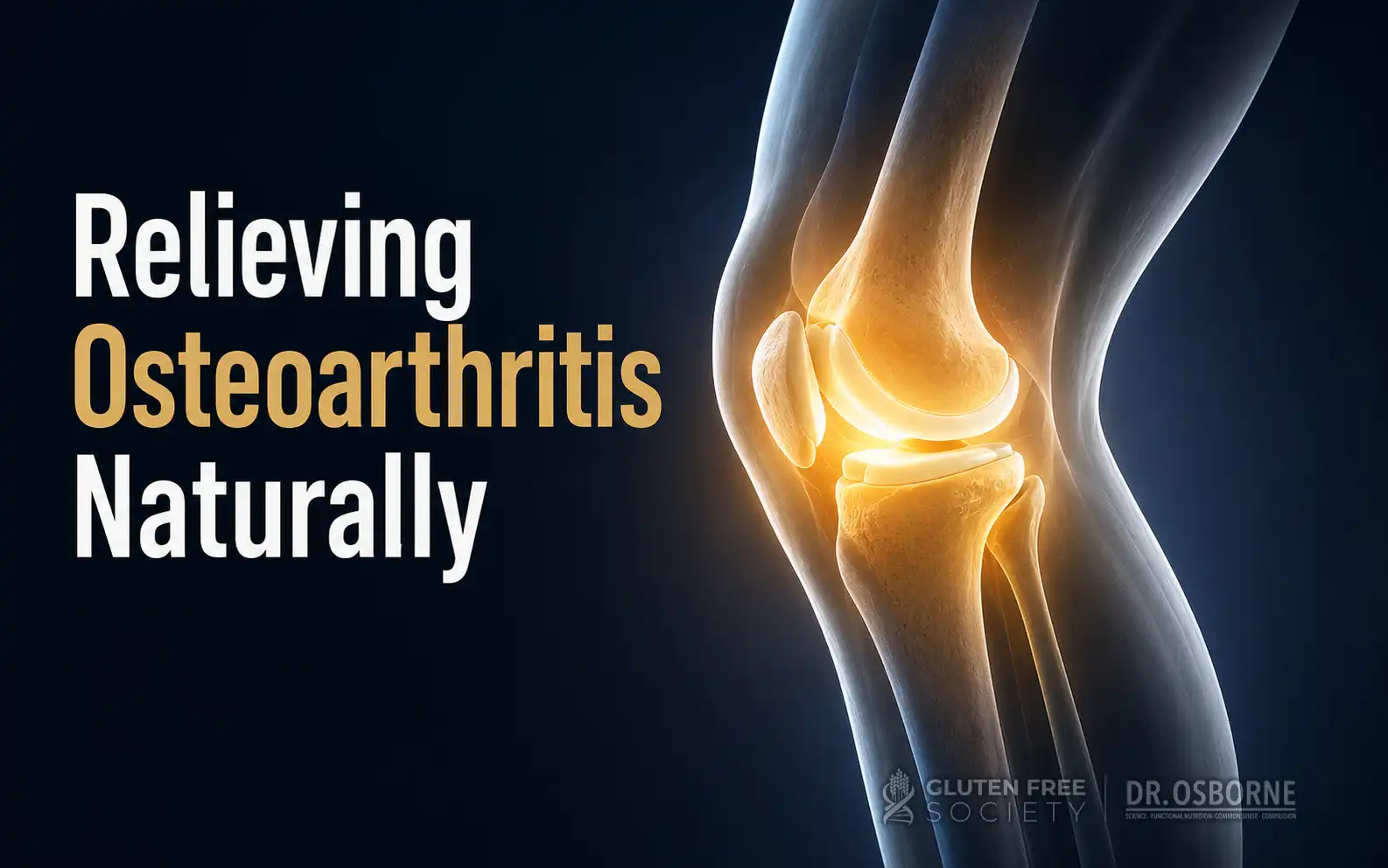
If you have osteoarthritis, you’ve probably heard the same advice over and over: “Take a pain reliever, lose some weight, and learn to live with it.”
Unfortunately, that advice falls short for millions of people. If you are looking for a natural solution, keep reading. I will be breaking down my favorite top supplements for arthritis pain. Let’s dive in.
More than 32 million adults in the United States have osteoarthritis, making it the most common form of arthritis. It is a leading cause of chronic pain, disability, reduced mobility, and joint replacement surgery. Whether your pain affects your knees, hips, hands, shoulders, or spine, the underlying problem is much more complex than simply “wear and tear.” Osteoarthritis is now recognized as a disease involving chronic low-grade inflammation, oxidative stress, cartilage breakdown, and changes to the underlying bone and surrounding tissues. These processes work together to create pain, stiffness, swelling, and progressive loss of joint function.
Pain medications can temporarily reduce symptoms, but they do little to support the biological processes responsible for maintaining healthy joints. Nutritional strategies, targeted supplementation, regular movement, and an anti-inflammatory diet offer an opportunity to support the body’s natural repair mechanisms while helping reduce many of the processes that contribute to ongoing joint degeneration.
That is where science becomes encouraging.
Over the past two decades, researchers have conducted hundreds of human clinical trials evaluating nutritional supplements for osteoarthritis. Several have consistently demonstrated improvements in pain, stiffness, physical function, walking ability, and quality of life. While no supplement can completely reverse advanced arthritis, some have shown impressive benefits by helping calm inflammation, protect cartilage, reduce oxidative damage, and support healthier joint metabolism.
This guide reviews five of the most extensively studied supplements for osteoarthritis:
I will also cover several additional supplements that I have found to be invaluable in my clinical practice, including collagen, B vitamins, quercetin, and white willow bark, all of which have promising research behind them.
Beyond supplements, you’ll discover why diet and exercise remain two of the most powerful tools for reducing arthritis pain. We’ll explore how the No Grain No Pain approach may help lower inflammatory burden, improve metabolic health, and support healthier joints.
Every major recommendation in this article is supported by published human research so you can understand not only what works, but why it works.
By the end, you’ll have an evidence-based roadmap to help you make informed decisions about supporting healthier joints naturally.
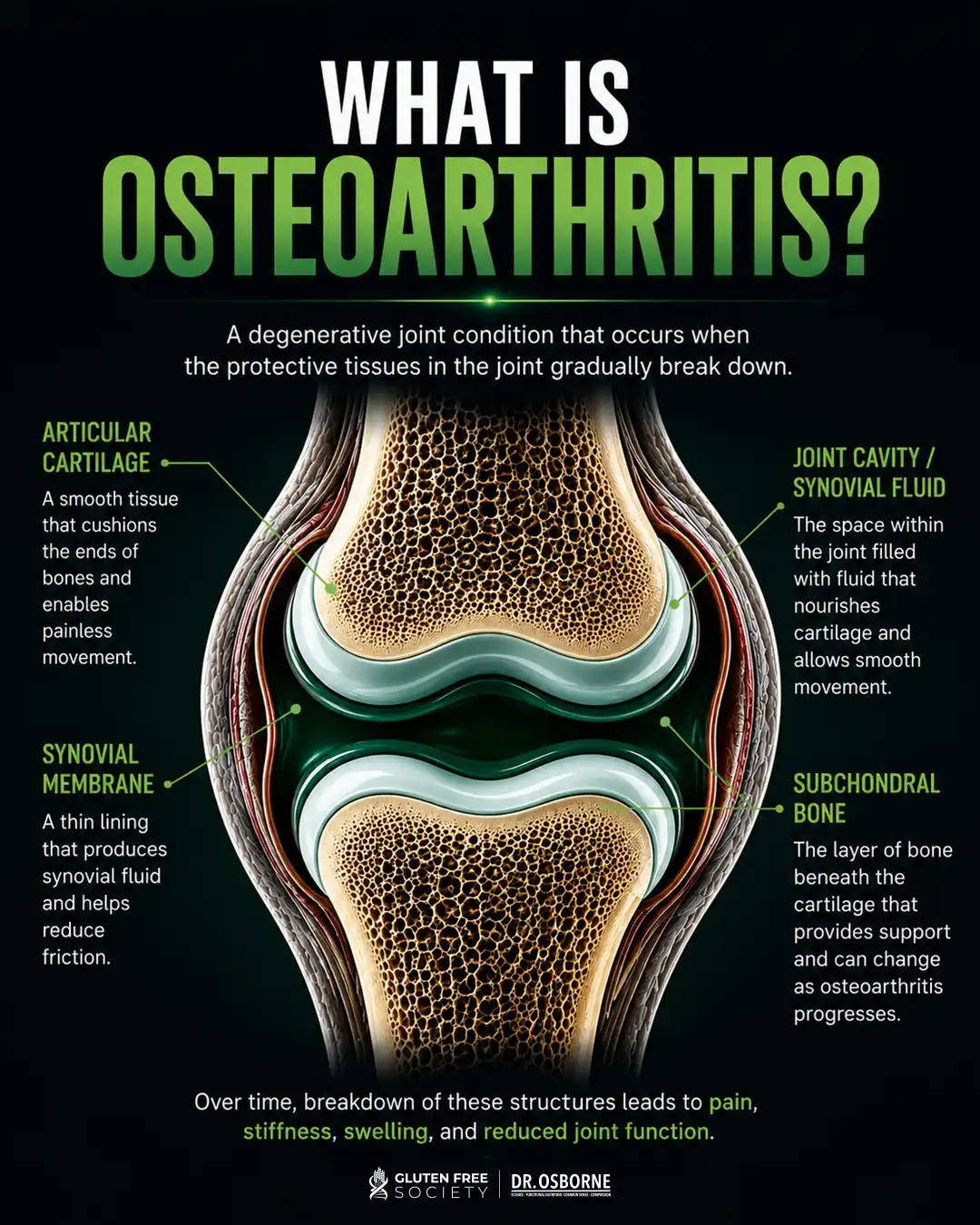
Osteoarthritis (OA) is the most common form of arthritis, affecting hundreds of millions of people worldwide. Although it has traditionally been described as a disease caused by “wear and tear,” researchers now understand that osteoarthritis is a biologically active condition involving inflammation, oxidative stress, abnormal tissue remodeling, and failed repair of the joint.
A healthy joint is a remarkable piece of engineering. The ends of your bones are covered with a smooth layer of cartilage that allows them to glide across one another with almost no friction. This cartilage is composed primarily of water, type II collagen, and specialized proteins called proteoglycans that act like microscopic shock absorbers. Living within this tissue are cells called chondrocytes, whose job is to continuously maintain and repair the cartilage matrix.
Surrounding the joint is a thin membrane called the synovium, which produces synovial fluid. This slippery fluid lubricates the joint, cushions impact, and delivers nutrients to cartilage. Unlike most tissues in the body, cartilage has virtually no direct blood supply. Every step you take gently compresses the cartilage, helping move nutrients in and waste products out. That means healthy movement is essential for keeping cartilage alive.
Beneath the cartilage lies subchondral bone, which provides structural support. Ligaments stabilize the joint, tendons connect muscles to bone, and surrounding muscles absorb much of the force generated during movement. When all of these structures work together, your joints move smoothly and painlessly.
Osteoarthritis develops when damage accumulates faster than the body can repair it in what I often call a repair deficit.
Small injuries accumulate faster than cartilage can recover. Chondrocytes become less effective at maintaining healthy tissue. Inflammatory chemicals increase inside the joint, oxidative stress damages cells, cartilage begins to thin, and the underlying bone responds by becoming thicker and developing bony outgrowths called osteophytes. At the same time, the synovium may become inflamed, producing inflammatory mediators that further accelerate cartilage breakdown.
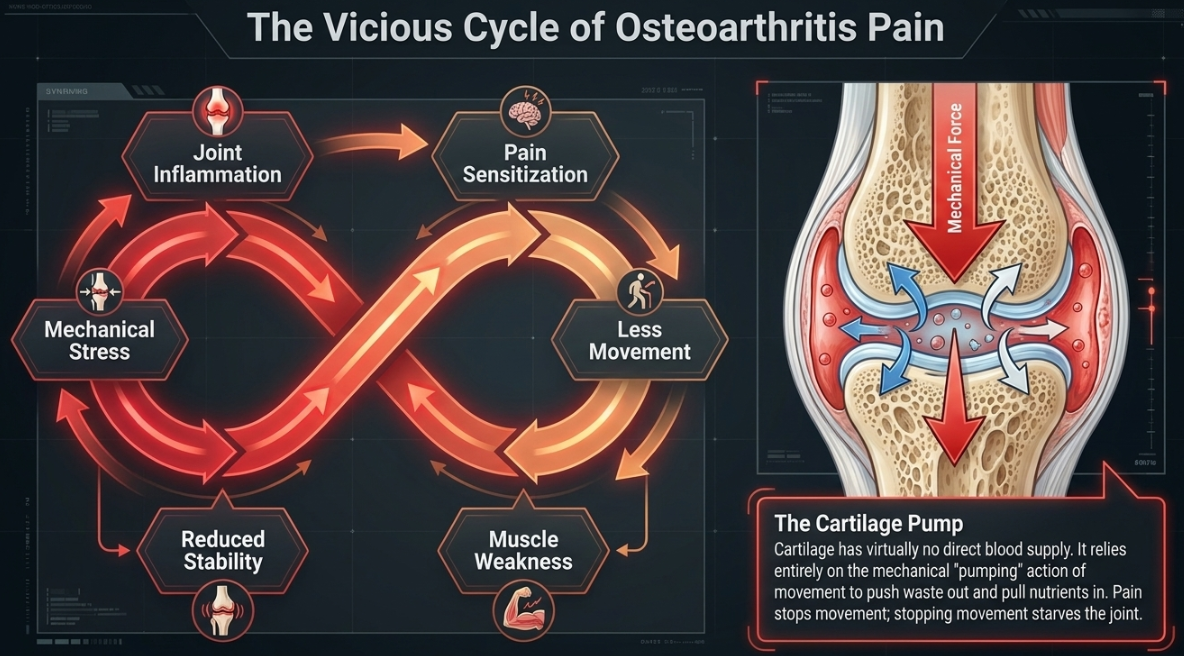
The result is a vicious cycle. As cartilage deteriorates, the joint becomes less stable. Reduced movement weakens surrounding muscles, increasing mechanical stress on the joint. More stress leads to more inflammation, more tissue damage, and ultimately more pain.
For many years, physicians believed that cartilage itself caused the pain of osteoarthritis. We now know that cartilage contains very few pain-sensitive nerve endings. Instead, much of the discomfort comes from inflammation of the synovium, changes in the underlying bone, stretched ligaments, irritated joint capsules, muscle dysfunction, and inflammatory molecules that sensitize nearby nerves. This explains why two people with similar X-rays can experience dramatically different levels of pain.
Understanding where osteoarthritis pain actually comes from changes the conversation about treatment. If pain is being driven by inflammation, oxidative stress, abnormal joint signaling, and progressive cartilage breakdown, not simply aging cartilage, then supporting these biological processes becomes an important part of a comprehensive strategy for maintaining healthier joints.
That is precisely where targeted nutrition and evidence-based supplementation may provide meaningful support.
Osteoarthritis is not caused by one isolated defect, so it rarely responds completely to one isolated treatment.
The joint is a living system. Cartilage, bone, synovial tissue, muscles, ligaments, tendons, immune cells, nerves, and blood vessels all influence how that joint feels and functions. As osteoarthritis progresses, inflammation increases, cartilage loses structural integrity, oxidative damage accumulates, pain nerves become more sensitive, and the muscles supporting the joint often become weaker.
This creates several different biological targets for nutritional support.
Some supplements help regulate inflammatory signaling. Others provide raw materials used to build cartilage, collagen, and joint fluid. Certain nutrients protect cells against oxidative damage, while others influence pain signaling or help the body bring an inflammatory response to a proper conclusion.
That distinction is important. Reducing pain is valuable, but a comprehensive strategy should also support the tissues and biological processes responsible for maintaining the joint.
Osteoarthritis was once viewed primarily as mechanical deterioration caused by age and repetitive use. Mechanical stress certainly plays a role, but the modern understanding of osteoarthritis is far more complex.
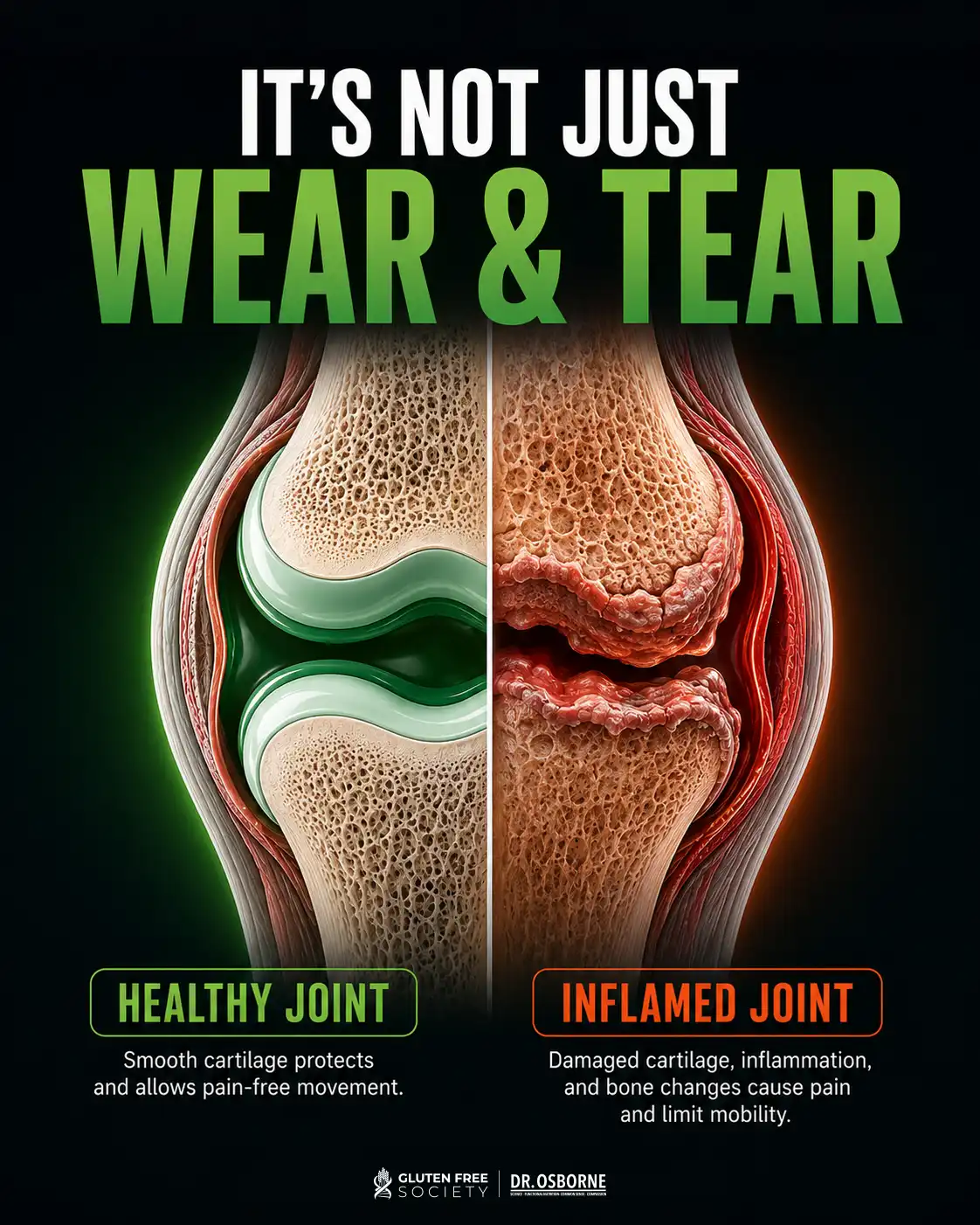
Damaged cartilage cells and stressed joint tissues release signals that activate the immune system. The synovial membrane responds by producing inflammatory chemicals, including:
These chemicals are not merely bystanders. They can increase pain sensitivity, reduce the production of healthy cartilage components, and activate enzymes that physically break down the cartilage matrix.
This is one reason targeted supplements may be useful. Omega-3 fats, curcumin, Boswellia, glucosamine, chondroitin, and vitamin C do not all work in the same way. Each interacts with different parts of the inflammatory and structural pathways involved in osteoarthritis.
One of the most important inflammatory pathways involved in osteoarthritis is called nuclear factor kappa B, usually abbreviated NF-κB.
Think of NF-κB as a master switch that turns on a large collection of inflammatory genes.
When cartilage cells are exposed to injury, oxidative stress, excess mechanical pressure, or inflammatory cytokines, NF-κB can become activated. Once switched on, it signals the cell to increase the production of inflammatory mediators and cartilage-degrading enzymes.
NF-κB activation has been linked to:
This pathway will come up repeatedly throughout this article because several of the supplements discussed, especially curcumin and Boswellia, appear to influence signaling systems connected to NF-κB.
Inflammation and pain are closely connected through an enzyme called cyclooxygenase-2, or COX-2. COX-2 helps convert fatty acids into inflammatory compounds called prostaglandins. One of these, prostaglandin E2, makes the nerves surrounding the joint more sensitive to pain. This means the same movement or pressure that might feel normal in a healthy joint can feel painful in an inflamed joint.
Nonsteroidal anti-inflammatory drugs, including ibuprofen and naproxen, reduce pain partly by inhibiting cyclooxygenase enzymes and decreasing prostaglandin production. Some nutritional compounds influence related inflammatory pathways, although they do not necessarily act with the same potency, speed, or pharmacology as an NSAID.
Curcumin has been studied for its effects on COX-2, NF-κB, cytokines, and oxidative stress. Boswellia appears to work more strongly through another enzyme pathway involving 5-lipoxygenase. Omega-3 fats may shift the fatty-acid environment away from compounds that promote inflammation and toward compounds involved in resolving it.
These differences help explain why combining dietary strategies with carefully selected supplements may provide broader support than relying on a single pathway.
Cyclooxygenase is not the only pathway that converts fats into inflammatory compounds. The enzyme 5-lipoxygenase, commonly shortened to 5-LOX, helps produce leukotrienes. Leukotrienes can promote immune-cell activity, inflammation, swelling, and tissue irritation. Boswellia is particularly interesting because boswellic acids, especially acetyl-11-keto-beta-boswellic acid, have been studied for their ability to influence the 5-LOX pathway. This gives Boswellia a mechanism that is different from many common pain-relieving compounds. Rather than simply duplicating the action of turmeric or an NSAID, it may address another branch of inflammatory chemistry. That is one reason Boswellia and curcumin are frequently combined in joint-support formulations. They overlap in some biological effects but are not identical.
Healthy cartilage is built from an organized extracellular matrix composed primarily of:
Type II collagen provides tensile strength and helps cartilage maintain its shape. Proteoglycans and aggrecan attract water, allowing cartilage to absorb pressure and rebound after compression. Together, this collagen-proteoglycan network gives cartilage its combination of strength, flexibility, and shock absorption.
In osteoarthritis, enzymes called matrix metalloproteinases, or MMPs, begin degrading this matrix faster than the cartilage cells can rebuild it. MMP-13 is particularly important because it can break down type II collagen. Other enzymes, including ADAMTS-4 and ADAMTS-5, degrade aggrecan.
Inflammatory signaling through IL-1β, TNF-α, NF-κB, and related pathways can increase the production of these destructive enzymes. As proteoglycans are lost, cartilage becomes less capable of resisting compression. As collagen breaks down, the structural framework begins to fail.
This process helps explain why osteoarthritis can continue progressing even after the original injury or mechanical stress has passed. Once inflammatory signals and matrix-degrading enzymes remain active, cartilage destruction can become self-perpetuating.
Glucosamine and chondroitin are often discussed in this context because they are closely related to compounds used within the cartilage matrix. Curcumin, Boswellia, and omega-3 fats may provide additional support by influencing inflammatory signals that stimulate cartilage-degrading enzymes.
Inflammation is only part of the story.
The joint also produces unstable molecules called reactive oxygen species, commonly referred to as free radicals. In healthy amounts, these molecules participate in normal cellular signaling. When their production overwhelms the body’s antioxidant defenses, oxidative stress develops.
Oxidative stress can damage:
Oxidative stress can also activate NF-κB, increasing inflammatory signaling and creating a feedback loop of inflammation driving pain – pain driving reduced movement – reduced movement leading to muscle weakness – muscle weakness causing joint instability – instability causing mechanical stress – stress causing inflammation. Cartilage lacks a blood supply, and depends on joint movement to receive nutrients to maintain its health and integrity. When pain leads to movement avoidance, the joint is destined for progressive arthritis and eventually failure that may require surgical intervention.
Research has connected this interaction between oxidative stress and NF-κB signaling with cartilage remodeling, synovial inflammation, chondrocyte death, and osteoarthritis progression. Vitamin C becomes especially important here. It acts as an antioxidant, but its role goes beyond neutralizing free radicals. Vitamin C is also required for the enzymes that stabilize newly formed collagen. That means inadequate vitamin C can create two problems simultaneously: weaker antioxidant protection and impaired collagen production.
Chondrocytes are the cells responsible for maintaining cartilage. They produce collagen, proteoglycans, aggrecan, and other components of the extracellular matrix.
In a healthy joint, chondrocytes balance two opposing activities:
Osteoarthritis shifts that balance toward catabolism. Inflammatory cytokines tell chondrocytes to reduce cartilage production and increase destructive enzymes. Oxidative stress damages their mitochondria. Mechanical overload changes cellular signaling. As the disease progresses, some chondrocytes become dysfunctional, enter cellular senescence, or die.
The extracellular matrix surrounding these cells also changes. Because chondrocytes respond to their physical environment, a damaged matrix can send abnormal signals back to the cells, further impairing repair. This creates another self-reinforcing cycle in which damaged cartilage promotes cellular dysfunction, and dysfunctional cells produce weaker cartilage.
Supplements cannot overcome severe mechanical instability or replace missing cartilage. They may, however, help create a more favorable nutritional and inflammatory environment in which the remaining joint tissues can function.
Cartilage repair requires raw materials. Type II collagen forms a fibrous network that resists stretching and shearing forces. Proteoglycans hold water and resist compression. If the body lacks the nutrients needed to build and stabilize these compounds, tissue maintenance becomes more difficult.
Several of the supplements in this article relate directly or indirectly to cartilage structure:
Inflammation is not inherently harmful. It is a normal survival response designed to contain damage, remove injured cells, and begin repair. The trouble begins when inflammation does not shut off properly. The body has active resolution pathways that signal immune cells to stop escalating the inflammatory response, clear cellular debris, and transition toward tissue repair. These pathways are influenced by a family of compounds called specialized pro-resolving mediators, or SPMs.
SPMs include:
Many resolvins, protectins, and maresins are produced from the omega-3 fatty acids EPA and DHA. Rather than functioning only as general anti-inflammatory compounds, these molecules help coordinate the resolution phase of inflammation and support a return toward tissue balance.
This creates an important distinction:
Blocking inflammation attempts to suppress inflammatory chemistry.
Resolving inflammation helps the body complete the inflammatory process and transition toward cleanup and repair.
Omega-3 fatty acids are unique among the five featured supplements because they provide precursors for these pro-resolving compounds. This does not mean every dose of fish oil automatically produces a predictable amount of SPMs. Conversion depends on enzymes, nutrient cofactors, health status, medications, and individual biology. It does, however, provide an additional mechanism through which omega-3 fats may influence joint health.

Osteoarthritis pain does not always correspond perfectly with the degree of cartilage loss visible on an X-ray. Inflammatory chemicals can sensitize pain receptors around the joint. Repeated pain signaling can make local nerves more reactive, causing normal movement, pressure, or temperature changes to produce stronger pain signals. Over time, persistent pain may also alter the way the spinal cord and brain process incoming signals. This is sometimes called central sensitization.
At the same time, pain discourages movement. Reduced movement weakens the muscles surrounding the joint. Weak muscles provide less stability and absorb less force, placing more pressure on the damaged joint. Supplements may help reduce some of the inflammatory inputs contributing to pain sensitivity, but they cannot substitute for progressive movement and muscle strengthening.
The value of these five supplements is not that they all do the same thing. Their value lies in their differences.
| Supplement | Primary Areas of Support |
|---|---|
| Omega-3 fatty acids | Inflammatory balance, prostaglandin and leukotriene pathways, SPM production |
| Turmeric/curcumin | NF-κB, COX-2, cytokines, oxidative stress and pain signaling |
| Glucosamine and chondroitin | Cartilage matrix support, proteoglycan metabolism and joint function |
| Boswellia | 5-LOX signaling, leukotrienes, inflammatory enzymes and pain |
| Vitamin C | Collagen production, antioxidant defense and connective-tissue support |
This is why asking, “Which supplement is best?” may be less useful than identifying the processes contributing most heavily to the individual’s pain. One person may have significant metabolic inflammation and oxidative stress. Another may have a history of joint trauma and poor mechanical stability. A third may have nutrient insufficiency, weak connective tissue, low muscle mass, or a diet dominated by sugar and refined carbohydrates. The supplement should be matched to the biology whenever possible.
A supplement cannot fully compensate for:
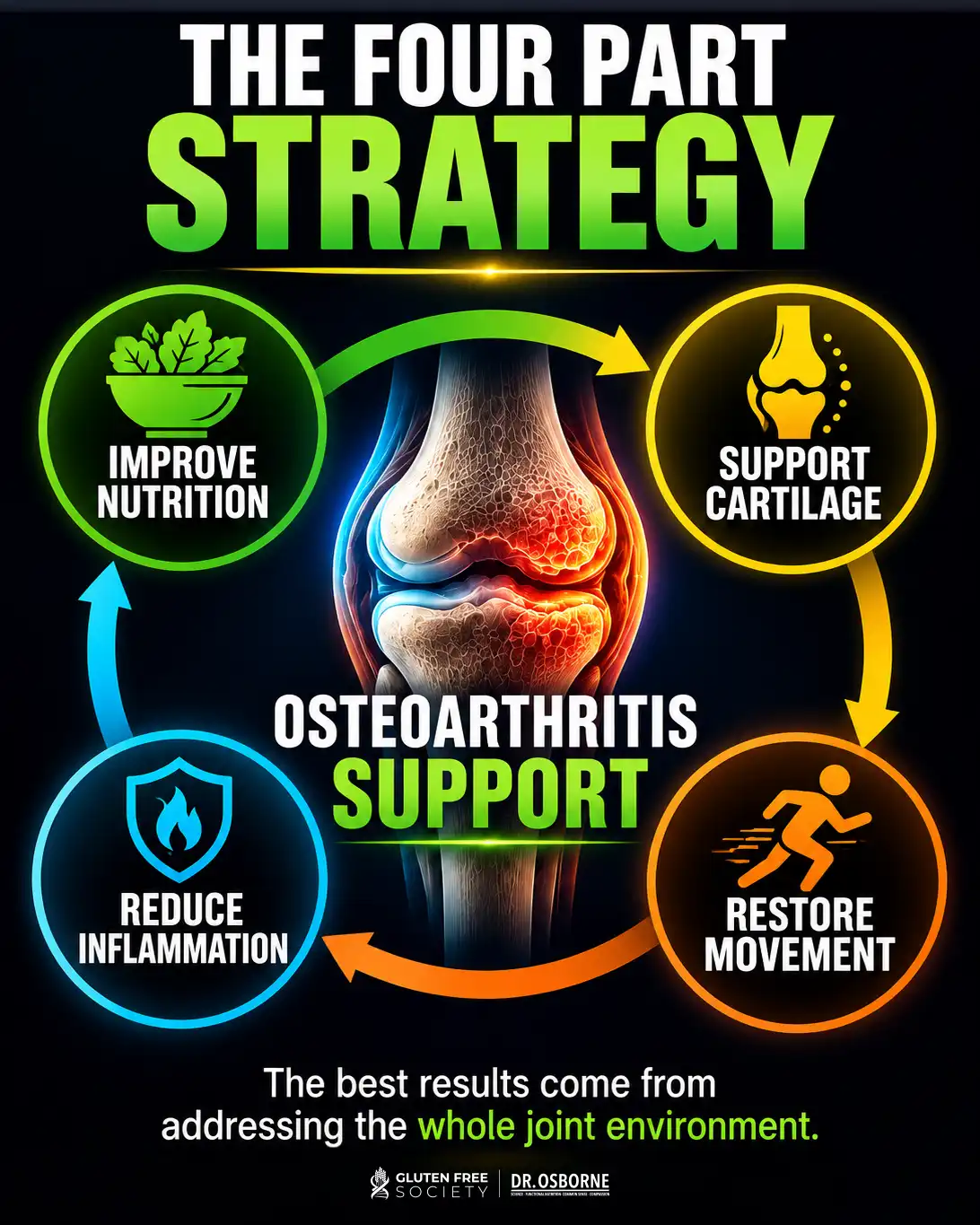
The body cannot repair effectively while the signals driving damage remain in place. This is why the most successful osteoarthritis strategy combines four priorities:
If there were one nutrient that almost every person with osteoarthritis should evaluate, omega-3 fatty acids would be on the top of the list. Unlike many supplements that work through a single pathway, omega-3s influence numerous biological processes involved in osteoarthritis. They help regulate inflammatory signaling, reduce the production of inflammatory compounds, support healthier cell membranes, protect cartilage from excessive breakdown, and provide the raw materials your body uses to produce specialized molecules that help bring inflammation to a healthy conclusion. For these reasons, omega-3 fatty acids have become one of the most extensively studied nutritional interventions for chronic inflammatory conditions, including osteoarthritis.
Omega-3 fatty acids are essential fats required for normal body functioning. The body cannot produce them. They must come from the diet or supplementation.
The three primary omega-3 fats are:
Although plant foods contain ALA, humans convert only a small percentage into EPA and DHA. Most studies demonstrating benefits for osteoarthritis have used EPA- and DHA-rich marine omega-3 supplements rather than plant-based ALA.

Omega-3s don’t simply “reduce inflammation.” They help reshape the inflammatory environment inside the joint through several complementary mechanisms.
Many inflammatory compounds are made from omega-6 fatty acids, particularly arachidonic acid. When arachidonic acid is converted by COX and LOX enzymes, it produces prostaglandins and leukotrienes that contribute to pain, swelling, and inflammation.
EPA competes with arachidonic acid for these same enzymes. As EPA intake increases, the body produces fewer highly inflammatory eicosanoids and more compounds that are substantially less inflammatory. Rather than acting like a drug that shuts inflammation off, omega-3s help shift the body’s inflammatory chemistry toward a more balanced state.
Perhaps the most exciting discovery in omega-3 research came when scientists identified Specialized Pro-Resolving Mediators (SPMs).
SPMs include:
These compounds are produced from EPA and DHA. Their job is different from traditional anti-inflammatory medications.
Instead of simply blocking inflammation, SPMs help the body complete the inflammatory response by:
Think of inflammation like a construction crew repairing a damaged bridge. Traditional anti-inflammatory drugs slow the workers down. SPMs help the workers finish the job, clean up the construction site, and reopen the bridge. This concept is particularly important in osteoarthritis because unresolved inflammation contributes to continued cartilage degeneration.
Laboratory and animal research has demonstrated that EPA and DHA can reduce activation of inflammatory pathways in patient with osteoarthritis including:
These inflammatory pathways stimulate matrix metalloproteinases (MMPs), enzymes that gradually digest cartilage. By reducing these inflammatory signals, omega-3s may help slow the excessive breakdown of cartilage that characterizes osteoarthritis.
Inflammation produces free radicals. Free radicals damage:
Omega-3 supplementation has been associated with reductions in oxidative stress markers in multiple human studies, helping preserve healthier cellular function.
Every cell in your joints is surrounded by a membrane made largely of fat. The types of fats incorporated into these membranes influence how cells communicate and respond to inflammation. Increasing EPA and DHA changes membrane composition, making inflammatory signaling less aggressive while improving membrane fluidity and cellular communication.
The microvasculature that feeds the subchondral bone and adjacent joint structures is responsible for delivering oxygen and nutrients while aiding in the removal of cellular waste products. Studies show that omega-3 improves vascular elasticity and blood flow.
Most successful clinical trials have used between 1,000 and 3,000 mg per day of combined EPA and DHA, although the optimal dose varies depending on dietary intake, body size, and the degree of inflammation.
When choosing a supplement, pay closer attention to the actual EPA and DHA content than to the total amount of fish oil listed on the label. A product labeled “1,000 mg fish oil” may provide only 300–400 mg of EPA plus DHA, while a concentrated formulation can provide substantially more.
Clinically speaking, it is always better to test Omega-3 levels. In patients with very low levels, I sometimes have to administer up to 6,000 mg/day (combined EPA and DHA). Though rare, this higher dose is sometimes necessary to achieve a positive outcome. Most of the patients I have seen do well with 2,000-4,000 mg/day. A word of caution: At higher doses, some people experience a blood thinning effect. If you are taking blood thinners, work with a nutritionally knowledgeable doctor to monitor your needs.
Excellent dietary sources include:
While these foods provide valuable omega-3s, many people do not consume them regularly enough to achieve the intake levels used in clinical research.
Omega-3 supplementation may be particularly helpful for people who:
Mechanisms
✓ Supports inflammation resolution
✓ Helps regulate NF-κB
✓ Influences COX and LOX pathways
✓ Supports healthier cartilage metabolism
✓ Reduces oxidative stress
✓ Supports healthier cell membranes
Clinical Outcomes Observed in Human Studies
✓ Reduced pain
✓ Reduced stiffness
✓ Improved walking ability
✓ Improved physical function
✓ Improved quality of life
✓ Improved vascular flow into the surrounding joint structures
Omega-3 fatty acids do far more than reduce inflammation. They help shift the body’s inflammatory chemistry, provide the building blocks for specialized pro-resolving mediators, protect cartilage from excessive inflammatory damage, improve blood flow, and support healthier joint function. Their broad range of biological effects, combined with positive human research studies, make them one of the strongest nutritional foundations for a comprehensive osteoarthritis support program.
Turmeric has moved far beyond its traditional use as a culinary spice. Concentrated turmeric and curcumin extracts have now been tested in numerous randomized human trials involving people with osteoarthritis, particularly osteoarthritis of the knee. Across systematic reviews, curcumin supplementation has been associated with reductions in joint pain and stiffness and improvements in physical function. Several trials have also found symptom relief comparable to commonly used anti-inflammatory medications, including ibuprofen and diclofenac, with fewer gastrointestinal complaints reported in some studies.
Turmeric is the yellow-orange rhizome of the plant Curcuma longa. The whole root contains curcuminoids, volatile oils, carbohydrates, proteins, minerals, and numerous other naturally occurring plant compounds.
Curcumin is the most extensively studied curcuminoid found within turmeric. It is primarily responsible for turmeric’s yellow pigment and is one of the compounds most closely associated with turmeric’s anti-inflammatory and antioxidant effects.
Most positive osteoarthritis trials have not used ordinary culinary turmeric alone. They have used one of the following:
This distinction is critical. A teaspoon of turmeric added to food may not be equivalent to the concentrated or enhanced-absorption formulations used in clinical research.

Curcumin does not appear to work through one isolated pathway. Experimental and human research indicates that it can influence several biological processes involved in pain, inflammatory signaling, oxidative stress, and cartilage metabolism.
NF-κB acts as an inflammatory control switch inside the cell. When it becomes activated, it increases the expression of genes involved in cytokine production, cyclooxygenase activity, nitric oxide production, and enzymes capable of degrading joint tissue.
Curcumin has been shown in mechanistic research to influence NF-κB and several downstream inflammatory signals. This provides a plausible explanation for the reductions in pain and stiffness observed in human osteoarthritis trials. However, the clinically established outcome is symptom improvement. Claims that curcumin permanently switches off inflammation or reverses joint damage would exceed the available human evidence.
Osteoarthritic joints can produce increased amounts of inflammatory signaling compounds, including:
These compounds can increase pain sensitivity and stimulate enzymes involved in cartilage-matrix breakdown.
Curcumin has demonstrated the ability to influence several of these pathways in experimental models. In a human knee-osteoarthritis trial comparing a bioavailable turmeric extract with paracetamol, the turmeric group experienced reductions in inflammatory biomarkers including C-reactive protein and tumor necrosis factor alpha alongside symptom improvement.
Cyclooxygenase enzymes participate in the production of prostaglandins, compounds that contribute to inflammation and pain sensitivity.
NSAIDs such as ibuprofen and diclofenac reduce pain partly by interfering with cyclooxygenase activity. Curcumin is not a natural version of an NSAID and does not have identical pharmacology, but it can influence cyclooxygenase-related inflammatory pathways along with several additional signaling systems. The clinical relevance of this broader activity is supported by trials in which turmeric or curcumin extracts produced symptom improvement comparable to ibuprofen or diclofenac.
Inflamed and mechanically stressed joint tissues generate reactive oxygen species. When antioxidant defenses cannot keep pace, oxidative stress can damage cell membranes, mitochondria, proteins, and components of the cartilage matrix.
Curcumin can act directly as an antioxidant and may also influence the body’s internal antioxidant systems. In a randomized, double-blind, placebo-controlled trial involving people with knee osteoarthritis, curcuminoid supplementation improved several measures of systemic oxidative stress. Researchers believe that turmeric’s antioxidant properties may be one major reason why it helps those with OA pain.
Inflammatory cytokines can increase the activity of matrix metalloproteinases and aggrecanases, enzymes involved in breaking down collagen and proteoglycans within cartilage. Laboratory research suggests curcumin can influence these catabolic signals. Supporting these findings, a one-year placebo-controlled human study of curcumin reported favorable changes in MRI-based cartilage measurements.
A 2016 systematic review and meta-analysis evaluated eight randomized clinical trials of turmeric extracts and curcumin for arthritis symptoms.
The pooled findings showed:
The authors concluded that the available randomized trials supported the use of turmeric extracts providing approximately 1,000 milligrams of curcumin per day for arthritis symptoms.
A 2021 systematic review and meta-analysis evaluated randomized studies of turmeric or curcumin for knee osteoarthritis.
Compared with placebo, turmeric preparations improved:
The researchers also reported that the effects appeared similar to NSAIDs.
Another 2021 systematic review and meta-analysis found that turmeric and curcumin preparations reduced:
The authors found stronger results in studies lasting longer than 12 weeks, although duration should still be considered alongside formulation, dose, and baseline symptom severity.
A randomized multicenter trial included 367 adults with primary knee osteoarthritis and clinically significant knee pain.
Participants received either:
Treatment continued for four weeks, and both groups improved significantly in:
The turmeric extract met the study’s criteria for noninferiority to ibuprofen (Turmeric was equally effective as ibuprofen). Patients taking turmeric had less GI side effects than those taking ibuprofen.
An earlier randomized trial also compared Curcuma domestica extract with ibuprofen in people with knee osteoarthritis.
The researchers found similar improvements in pain and function between the treatments and concluded that the turmeric extract appeared similarly effective and safe.
A randomized, open-label trial studied 139 adults with knee osteoarthritis.
Participants received either:
After 28 days, both groups experienced significant improvements in knee-osteoarthritis symptoms. Curcumin produced symptom relief similar to diclofenac and caused fewer adverse effects.
Adverse events were reported by:
The curcumin group also experienced fewer gastrointestinal complaints and no participants withdrew because of adverse effects.
A randomized, double-blind, placebo-controlled trial evaluated a curcumin extract in adults with symptomatic knee osteoarthritis.
Compared with placebo, curcumin significantly improved:
Verified osteoarthritis trials have used doses ranging from 300 to 3,000 mg daily. Trial times have ranged from 4 weeks to one year. In my clinical experience, 1,000-3,000 mg daily doses have been most effective for osteoarthritis pain patients. Some people respond to lower doses while others may require more. There is no one size fits all approach to curcumin use.
In my clinic, I typically see results in as little as a few days, but for some it may take up to 4 weeks. Some comparative trials reported meaningful symptom improvement within four weeks. Placebo-controlled studies commonly lasted eight to 12 weeks, and several systematic reviews found stronger or more consistent results with longer treatment periods.
A reasonable evaluation period is generally four to 12 weeks, depending on the formulation and the severity of symptoms. Curcumin is not an anesthetic. It does not numb the joint immediately. Its benefits appear to develop as inflammatory signaling, oxidative balance, and pain sensitivity change over time. And in my experience, it works even better when paired with vitamin C, quercetin, Omega-3, and diet change (No Grain No Pain).
Curcumin may be particularly useful for people who:
| Evidence category | What verified human research supports |
|---|---|
| Knee pain | Improved in multiple randomized trials and meta-analyses |
| Joint stiffness | Improved in several trials and pooled analyses |
| Physical function | Improved in multiple randomized trials and systematic reviews |
| Comparison with ibuprofen | Similar short-term symptom improvement in direct-comparison trials |
| Comparison with diclofenac | Similar symptom improvement with fewer reported adverse effects in one open-label trial |
| Gastrointestinal tolerability | Favorable in several comparative trials |
| Inflammatory biomarkers | Improved in selected formulation-specific studies |
| Oxidative-stress markers | Improved in a randomized human trial |
| Cartilage preservation | Preliminary studies show improvements |
| Cartilage regeneration | Not established |
| Universal effective dose | Not established |
| Most studied joint | Knee |
Turmeric and curcumin are among the most thoroughly studied botanical supplements for knee osteoarthritis. Systematic reviews consistently report improvements in pain and physical function compared with placebo. Direct-comparison trials have found symptom relief similar to ibuprofen and diclofenac, with fewer gastrointestinal adverse effects reported. The strongest research evidence supports standardized extracts and bioavailability-enhanced formulations, not ordinary turmeric powder. Dose recommendations must be tied to the formulation because curcumin absorption varies dramatically among products.
Curcumin should be viewed as a multi-pathway tool for reducing osteoarthritis symptoms. It influences inflammatory signaling, oxidative stress, prostaglandin-related pathways, and pain sensitivity. Human evidence supports improvements in pain, stiffness, and function. My clinical experience has shown curcumin to be a powerful alternative to help people reduce pain and improve their functionality and quality of life without the nutrient-depleting effects, gastrointestinal, and kidney complications associated with NSAID use.
Glucosamine and chondroitin are two of the most recognizable supplements used for osteoarthritis. They are often sold together, but they are not identical compounds, and they do not necessarily produce identical effects.
Glucosamine is an amino sugar involved in pathways used to produce glycosaminoglycans, proteoglycans, and other components of connective tissue. Chondroitin sulfate is a sulfated glycosaminoglycan naturally present within cartilage, where it helps the tissue attract water and resist compression.
That basic biology explains why these nutrients have attracted so much attention. Osteoarthritis gradually damages the collagen-and-proteoglycan matrix that allows cartilage to absorb force. Glucosamine and chondroitin provide compounds related to that matrix while also influencing inflammatory and cartilage-degrading pathways.
Human research has reported benefits in several important areas:
Glucosamine is a naturally occurring amino sugar that the body uses in biochemical pathways associated with connective tissue. It is involved in the production of compounds found in:
Positive clinical trials have most commonly used 1500 milligrams of glucosamine sulfate daily.
Chondroitin sulfate is a long-chain sulfated molecule found naturally within cartilage and other connective tissues. Within cartilage, chondroitin is incorporated into large proteoglycan structures. These molecules attract and hold water, helping cartilage resist compression and rebound after force is applied. Cartilage is not a dry cushion. It is a highly hydrated tissue. Its water-binding capacity is central to its ability to distribute pressure across the joint.
Chondroitin sulfate has also been studied for effects on:
Positive clinical trials have most commonly used 800 to 1,200 milligrams of chondroitin sulfate daily.
Healthy cartilage is built around a network of type II collagen, proteoglycans, glycosaminoglycans, and water. Type II collagen provides tensile strength. Proteoglycans attract water and give cartilage its ability to withstand compression. Glucosamine participates in pathways used to produce glycosaminoglycans. Chondroitin sulfate is itself a glycosaminoglycan component of cartilage proteoglycans.
Osteoarthritis shifts cartilage metabolism toward destruction. Inflammatory cytokines can activate enzymes including matrix metalloproteinases and aggrecanases. These enzymes break down collagen and aggrecan faster than cartilage cells can replace them. Experimental research suggests that glucosamine and chondroitin may influence inflammatory signaling and reduce the activity of some cartilage-degrading enzymes. The most clinically meaningful support for this mechanism comes from long-term human studies reporting less joint-space loss in groups receiving glucosamine sulfate or chondroitin sulfate.
Chondroitin-containing proteoglycans attract water into the cartilage matrix. This water-binding capacity helps cartilage:
A loss of proteoglycans causes cartilage to become less resilient. Chondroitin supplementation is intended to support the matrix components involved in this process.
Glucosamine and chondroitin are not simply inert building blocks. Laboratory evidence indicates that they may influence:
These actions may help explain why clinical trials have found improvements in pain, stiffness, function, and swelling rather than only structural outcomes.
Glucosamine and chondroitin are generally categorized as slow-acting agents. They do not work like aspirin, ibuprofen, or an anesthetic. Their effects tend to develop gradually as joint metabolism, inflammatory signaling, and tissue turnover change. Most meaningful clinical trials have lasted from 3 months and as long as several years.
One of the most important glucosamine studies was a three-year, randomized, double-blind, placebo-controlled trial involving 212 adults with knee osteoarthritis.
Participants received either:
After three years, the placebo group had lost an average of 0.31 millimeters of joint-space width, while the glucosamine-sulfate group had no statistically significant mean joint-space loss, with a change of 0.06 millimeters. Symptoms measured by the WOMAC osteoarthritis index also worsened slightly in the placebo group while improving in the glucosamine group. This trial is especially important because it evaluated more than short-term pain. It examined symptoms and radiographic joint structure over three years.
The six-month GUIDE trial evaluated 1,500 mg of prescription glucosamine sulfate once daily in adults with knee osteoarthritis. Glucosamine sulfate produced a significantly greater improvement in pain, function, and disability.
A 2020 umbrella review examined 11 systematic reviews, covering 37 randomized controlled trials and 3,949 participants. Nearly all included trials used 1,500 mg of glucosamine sulfate daily. The review concluded that crystalline glucosamine sulfate could positively affect pain and function in knee osteoarthritis.
Aside from the above research, many other studies have shown positive pain benefits for patients taking 1500 mg of glucosamine daily.
The most consistently studied dose is:
1,500 mg once daily
This was the dose used in major long-term knee-osteoarthritis trials and across most studies included in the glucosamine-sulfate umbrella review.
Positive studies commonly used:
800 to 1,200 mg daily
Glucosamine and chondroitin should be evaluated as slow-acting joint-support compounds.
Positive studies reported benefits over:
The MOVES trial demonstrated that the combination gradually reached outcomes comparable to celecoxib by six months. The long-term glucosamine-sulfate trial evaluated joint-space width and symptoms over three years.
A practical trial should generally last at least three to six months, provided the product, dose, and formulation resemble those used in positive research.
Stopping after one or two weeks does not meaningfully test a slow-acting cartilage-support strategy.
Glucosamine and chondroitin may be especially useful for people who:
The strongest direct research concerns knee osteoarthritis, with additional positive evidence for chondroitin in hand osteoarthritis.
These supplements make the most biological sense when they are used as part of a strategy that reduces ongoing joint damage.
That includes:
Supplying cartilage-related nutrients while continuing to expose the joint to poor mechanics, sugar overload, inactivity, and chronic inflammation limits what any supplement can accomplish.
| Evidence category | What positive human research supports |
|---|---|
| Knee pain | Improved in multiple trials and evidence reviews |
| Stiffness | Improved in glucosamine-chondroitin combination trials |
| Physical function | Improved with glucosamine sulfate, chondroitin sulfate, and selected combinations |
| Comparison with celecoxib | Combination and pharmaceutical-grade chondroitin produced comparable outcomes in major trials |
| Hand osteoarthritis | Chondroitin improved pain, function, grip strength, and morning stiffness |
| Joint swelling | Improved in the MOVES combination trial |
| Joint-space narrowing | Slower loss reported in selected long-term glucosamine- and chondroitin-sulfate trials |
| Cartilage regeneration | Not established |
| Most studied glucosamine form | Crystalline glucosamine sulfate |
| Common glucosamine dose | 1,500 mg daily |
| Common chondroitin dose | 800–1,200 mg daily |
| Expected timeline | Usually several months |
| Product-quality importance | High |
Glucosamine and chondroitin are different compounds that support overlapping aspects of joint biology.
Glucosamine is involved in pathways used to produce glycosaminoglycans and proteoglycans. Chondroitin sulfate is a structural component of cartilage that helps the tissue attract water and resist compression.
Positive human trials support benefits for:
The strongest glucosamine evidence centers on 1,500 mg of crystalline glucosamine sulfate daily. The strongest chondroitin studies commonly used 800 to 1,200 mg of standardized pharmaceutical-grade chondroitin sulfate.
These nutrients are not fast painkillers. They are slow-acting compounds that should be used consistently and evaluated over three to six months or longer. Product quality determines whether the bottle in someone’s hand resembles the formulation used in research. The name “glucosamine and chondroitin” on the front label is not enough. The form, dose, purity, standardization, and manufacturing quality all influence whether the supplement has a realistic chance of reproducing clinical results.
In my clinical practice, I commonly recommend a combination formula that contains glucosamine, chondroitin, and MSM. This combination of ingredients very commonly reduces the pain and stiffness for many of my patients.
Boswellia serrata, commonly known as Indian frankincense, has been used traditionally for inflammatory conditions for centuries. Modern research has focused on concentrated extracts from the plant’s gum resin, particularly standardized preparations rich in boswellic acids.
For osteoarthritis, the human evidence is surprisingly strong.
Randomized controlled trials have reported improvements in:
Several trials have also reported improvements within the first week of supplementation, making Boswellia one of the faster-acting supplements discussed in this article.
A 2020 systematic review and meta-analysis of seven randomized controlled trials involving 545 people with osteoarthritis found that Boswellia significantly improved pain, stiffness, and physical function.
Boswellia serrata is a tree native to India, North Africa, and parts of the Middle East. Its resin contains a group of pentacyclic triterpenes collectively known as boswellic acids.
The compounds that receive the most research attention include:
Boswellia extracts differ substantially in their composition and concentration of boswellic acids. Many of the positive clinical trials have evaluated standardized formulations rather than generic Boswellia powders. Some of the best-studied preparations include:
Boswellia is often described as a “natural 5-LOX inhibitor.” There is some truth to that, but the biology is more complicated than the marketing slogan. The enzyme 5-lipoxygenase, or 5-LOX, participates in the conversion of arachidonic acid into leukotrienes, inflammatory lipid mediators involved in immune signaling.
AKBA has demonstrated direct interactions with 5-LOX in laboratory studies. Early research showed that AKBA could influence 5-LOX activity through an allosteric mechanism rather than by competing directly with arachidonic acid at the enzyme’s active site. (Review the mechanistic research)
More recent structural research has confirmed that AKBA binds to an allosteric region of 5-LOX and can alter the enzyme’s activity and the pattern of lipid products it generates. (Review the structural research)
However, pharmacokinetic research has raised an important point: circulating concentrations of AKBA after ordinary oral Boswellia supplementation may be much lower than the concentrations required to reproduce some laboratory effects. Other boswellic acids, including β-boswellic acid, reach higher circulating concentrations and may influence additional inflammatory enzymes. (Read the pharmacology review)
Bottom line: Boswellia contains multiple boswellic acids that influence several inflammatory pathways, including 5-LOX-related signaling, prostaglandin pathways, proteolytic enzymes, and inflammatory cellular responses.
Osteoarthritis involves increased activity of enzymes capable of degrading the cartilage matrix. One of these is matrix metalloproteinase-3, or MMP-3. MMP-3 can participate in breakdown of:
A 90-day randomized trial evaluating 5-Loxin measured MMP-3 directly in the synovial fluid of people with knee osteoarthritis. The higher-dose Boswellia group showed a significant reduction in synovial-fluid MMP-3, providing human evidence that this extract may influence a biological pathway associated with cartilage degradation.
A more recent randomized, double-blind, placebo-controlled trial evaluated an enhanced-bioavailability Boswellia extract called Aflapin in people with knee osteoarthritis. After 30 days, the Boswellia group showed reductions in several circulating markers associated with inflammation and cartilage turnover, including:
At the same time, participants experienced significant improvements in pain, stiffness, and function.
NSAIDs primarily work by interfering with cyclooxygenase enzymes and prostaglandin production. Boswellia interacts with a broader and somewhat different network of inflammatory pathways. This makes Boswellia particularly interesting as part of a multi-target strategy. Turmeric, omega-3 fats, Boswellia, glucosamine, chondroitin, and vitamin C do not simply duplicate one another.
Boswellia appears especially useful for targeting:
Taken together, the available human data support a consistent pattern. Boswellia extracts can reduce osteoarthritis pain, improve stiffness, and improve physical function.
Human trial doses varied between 100 mg/day and 250 mg/day.
Research studies show pain relief in less than a week of use. In my experience, relief can happen much more quickly for some. Especially at higher doses and when mixed with white willow. Many patients report pain relief within hours of use.
Boswellia has some of the most compelling human evidence among botanical supplements for osteoarthritis. It is one of the fastest working natural compounds when it comes to pain relief.
Vitamin C is rarely marketed as an arthritis supplement, but from a biological standpoint, it is one of the most important nutrients for connective tissue. Your body cannot make collagen properly without it. Important because collagen is one of the primary structural proteins in cartilage, tendons, ligaments, bone, and other tissues that stabilize and protect joints. Vitamin C is also a major antioxidant that helps protect cartilage cells from oxidative stress.
For osteoarthritis, the human evidence is not as extensive as the evidence for curcumin or Boswellia. There are fewer randomized controlled trials specifically testing vitamin C as a treatment for OA pain. But the available human data are positive and biologically compelling.
Human studies have reported:
Vitamin C also plays a direct, non-negotiable role in the chemistry of collagen formation.
Cartilage is made largely from:
The collagen framework gives cartilage tensile strength and structural organization. Proteoglycans trap water inside that framework, allowing cartilage to absorb compression. If collagen production is impaired, the tissue itself becomes structurally weaker. Vitamin C participates directly in that process.
Vitamin C acts as a cofactor for two important enzymes responsible for collagen production:
These enzymes modify the amino acids proline and lysine during collagen synthesis. That hydroxylation process allows newly produced collagen chains to form the stable triple-helix structure characteristic of mature collagen. Without adequate vitamin C, collagen cannot be assembled and stabilized normally. This biology is not theoretical. Severe vitamin C deficiency causes scurvy, a disease characterized by defective collagen production resulting in bleeding gums, fragile blood vessels, poor wound healing, musculoskeletal pain, and connective-tissue failure.
Collagen is only part of cartilage.
Healthy cartilage also contains large proteoglycan molecules that help retain water and absorb pressure. Vitamin C is essential not only in collagen formation but also in glycosaminoglycan and proteoglycan metabolism, both central components of the cartilage extracellular matrix.
This means vitamin C potentially supports both major sides of cartilage structure:
Collagen
Provides the framework.
Proteoglycans and glycosaminoglycans
Help hold water and absorb compression.
Osteoarthritic joints experience increased oxidative stress.
Mechanical stress, inflammation, mitochondrial dysfunction, and inflammatory cytokines can increase production of reactive oxygen species.
These molecules can damage:
Vitamin C is a water-soluble antioxidant capable of donating electrons to reactive molecules and helping neutralize oxidative stress. It also interacts with other antioxidant systems in the body. This is especially relevant because oxidative stress and inflammation can reinforce one another. Free radicals can amplify inflammatory signaling, while inflammation creates more reactive oxygen species. Vitamin C therefore plays two complementary roles:
Structural
Supporting collagen formation.
Protective
Helping defend connective tissue against oxidative damage.
Later in this article, collagen appears as an honorable mention supplement. There is an important biological connection between collagen supplementation and vitamin C. Collagen supplements provide amino acids and peptides that the body can use in connective-tissue metabolism. But supplying collagen peptides does not eliminate the need for the cofactors required to process and stabilize newly synthesized collagen. Vitamin C remains necessary.
Chondrocytes are the cells responsible for maintaining cartilage.
They produce:
These cells must maintain a constant balance between tissue breakdown and tissue rebuilding. Vitamin C supports several aspects of this process because it participates in collagen synthesis and protects cells against oxidative stress. This creates an important nutritional principle: Cartilage cannot maintain itself efficiently without the nutrients required for cartilage production.
Pain relief is important, but joint nutrition should also address what cartilage actually needs to function.
Unlike most animals, humans cannot manufacture vitamin C internally.
We must obtain it through food or supplementation.
Good food sources include:
Vitamin C is sensitive to heat, storage, oxygen, and food processing. Long cooking times can substantially reduce the vitamin C content of vegetables. For this reason, consuming a combination of raw and lightly cooked vitamin C-rich foods can help preserve intake.
Unlike curcumin, Boswellia, glucosamine, or chondroitin, the osteoarthritis literature does not establish a universally validated therapeutic vitamin C dose. That being said, vitamin C need doses can range dramatically from one person to the next. In my clinical practice, I use doses ranging from 1-20 grams daily depending on patient needs and responses. I often pair higher doses of vitamin C with the bioflavonoid, quercetin (3-4 grams daily). As a general rule, I find that the dietary and social history of a person provides relevance for establishing an initial dose recommendation.
The following are factors I use to help determine dose:
Vitamin C requirements are typically much higher when the above conditions are present.
| Evidence Category | What Verified Human Research Supports |
|---|---|
| Osteoarthritis pain | Improved modestly in one randomized crossover trial |
| Physical function | Lequesne score improved in the randomized trial |
| Cartilage loss | Higher intake associated with lower risk in Framingham data |
| OA progression | Higher intake associated with substantially lower progression risk in Framingham |
| Knee pain development | Lower risk associated with higher vitamin C intake |
| Incident knee OA | Supplement users had lower risk in a longitudinal study |
| Cartilage MRI characteristics | Higher intake associated with more favorable measures |
| Collagen synthesis | Vitamin C is an essential biochemical cofactor |
| Antioxidant activity | Well established |
| Proven cartilage regeneration | Not established |
| Universal OA treatment dose | Not established |
| Strength of OA intervention evidence | Limited but positive |
Vitamin C is one of the most overlooked nutrients in osteoarthritis. It is required for the enzymes that stabilize collagen, participates in cartilage-matrix biology, and provides antioxidant protection against oxidative stress. You cannot build normal collagen without vitamin C.
The five supplements covered in this article have the strongest combination of biological plausibility and positive human clinical evidence for osteoarthritis. They consistently rank among the most studied nutritional interventions for reducing pain, improving physical function, and supporting healthier joint biology.
That does not mean they are the only supplements that may be helpful.
Several additional nutrients and botanical compounds have shown encouraging results in human studies. They simply do not yet have the same depth, consistency, or quantity of evidence as the top five.
For some people, these supplements may work particularly well when combined with the foundational strategies discussed throughout this article.
Collagen is the most abundant protein in the human body and one of the primary structural components of cartilage, tendons, ligaments, bone, skin, and connective tissue. Articular cartilage consists primarily of type II collagen, organized into a strong network that provides tensile strength while supporting the water-rich proteoglycan matrix that absorbs compression. Unlike glucosamine and chondroitin, which support cartilage matrix chemistry, collagen supplements provide peptides and amino acids that may stimulate cartilage-producing cells and support connective-tissue metabolism.
My Clinical experience using collagen has been overall good. It is easy to take and well tolerated by the vast majority of patients, and outcomes are typically very positive.
B vitamins are rarely promoted as osteoarthritis supplements, yet they participate in hundreds of metabolic reactions that influence connective tissue, nerve function, energy production, methylation, and inflammation. Vitamin B6 is involved in amino acid metabolism needed for collagen production. Vitamin B12 and folate help regulate homocysteine, an amino acid associated with connective-tissue damage and impaired collagen cross-linking when chronically elevated. Deficiencies in B vitamins can also contribute to peripheral nerve dysfunction, potentially amplifying pain perception independent of structural joint damage.
B-vitamins are essential in helping the body produce the energy needed to maintain and repair the joints and surrounding tissues. They represent one of the most common deficiencies I see in patients, and correcting deficits contributes to improved health all around. I have seen a number of cases where B-vitamin deficits were directly responsible for a patients pain.
Quercetin is a naturally occurring flavonoid found in onions, apples, capers, berries, kale, and many other plant foods. It has attracted growing scientific interest because of its antioxidant and anti-inflammatory properties. Laboratory research suggests quercetin influences NF-κB signaling, inflammatory cytokines, oxidative stress, and cartilage-degrading enzymes.
Quercetin has been an important part of my nutritional arsenal for patients struggling with chronic pain. I have been using it for several decades to help people find improved pain relief. It works best when combined with higher doses of vitamin C (as discussed above).
Long before aspirin was developed, extracts from willow bark were used to relieve pain and fever. White willow bark naturally contains salicin, a compound that is converted in the body into salicylic acid derivatives. Unlike aspirin, however, willow bark contains numerous additional polyphenols and plant compounds that may contribute to its overall activity.
I have seen many patients respond very well to white willow extracts without experiencing the traditional GI side effects from NSAIDS. It works better when combined with boswellia extract, and I keep it in my arsenal of supplements to use to support patients who struggle with chronic osteoarthritis pain.
No single supplement is likely to eliminate osteoarthritis pain by itself. The strongest strategy combines nutrients that address different aspects of joint biology. For many people, that means building a foundation with omega-3 fatty acids, curcumin, glucosamine, chondroitin sulfate, Boswellia, and vitamin C while selectively adding collagen, quercetin, B vitamins, or white willow bark when appropriate.
The greatest improvements usually occur when targeted supplementation is paired with an anti-inflammatory diet, progressive strength training, healthy body composition, adequate sleep, and correction of nutrient deficiencies. Supplements work best when they support an environment that allows joints to recover rather than continually breaking them down.
Supplements work best when they are used within a dietary environment that supports tissue repair rather than continually promoting inflammation and metabolic stress.
One of the central messages in my internationally best selling book, No Grain No Pain, is that chronic pain is rarely the result of a single deficiency or one damaged joint. It develops within an inflammatory environment created by years of poor dietary habits, excess sugar, nutrient deficiencies, sedentary living, excess body fat, repetitive joint stress, and in some individuals, adverse immune reactions to foods such as gluten. If you continue feeding inflammation every day, even the best supplements will have limited success.
As discussed earlier, osteoarthritis is not simply a mechanical “wear and tear” condition. Inflammation, oxidative stress, metabolic dysfunction, and abnormal joint remodeling all contribute to disease progression. That matters nutritionally because diet can influence several of those same biological processes.
Most people understand that excessive sugar increases the risk of diabetes. Far fewer realize that high blood sugar also changes the physical properties of cartilage. Glucose readily attaches to proteins through a process called glycation. Over time these reactions produce compounds known as advanced glycation end products, or AGEs. Think of AGEs as microscopic chemical cross-links that slowly stiffen collagen.
Cartilage is designed to be flexible. Every step, squat, and jump compresses cartilage and then allows it to rebound. When AGEs accumulate within the collagen framework, cartilage becomes less resilient, less elastic, and more vulnerable to mechanical damage. AGEs also influence chondrocytes, the cells responsible for maintaining cartilage, promoting inflammatory signaling and reducing normal tissue maintenance. This combination of increased stiffness and altered cell function is believed to contribute to osteoarthritis progression.
The practical message is simple:
A diet that continually spikes blood sugar doesn’t just affect your waistline. It changes the chemistry of your joints.
Refined grains deserve special attention because they are one of the largest sources of rapidly absorbed carbohydrate in the modern diet.
White bread.
Breakfast cereal.
Crackers.
Pretzels.
Cookies.
Pastries.
Many gluten-free processed foods.
These foods digest quickly, producing repeated elevations in blood glucose and insulin while contributing relatively few of the vitamins, minerals, antioxidants, and amino acids needed to maintain healthy connective tissue. Replacing refined grains with nutrient-dense whole foods increases protein, vitamins, minerals, phytonutrients, and healthy fats while reducing the glycemic burden placed on the body.
Cartilage cannot repair itself without amino acids. Neither can tendons. Neither can ligaments. Every structural protein in your joints must be synthesized from dietary amino acids. This is one reason many highly processed grain-based diets perform poorly from a musculoskeletal standpoint. They often provide abundant calories but relatively little high-quality protein.
Supplements such as glucosamine, chondroitin, collagen peptides, vitamin C, and Boswellia work best when the body has the raw materials required to rebuild connective tissue. Without adequate protein, even the best supplement protocol becomes less effective.
For most people with osteoarthritis, gluten is probably not the primary cause of cartilage degeneration. However, there is an important exception. People with celiac disease and some individuals with non-celiac gluten sensitivity can develop musculoskeletal problems that either mimic osteoarthritis or worsen existing joint disease. This distinction is important. If someone has untreated celiac disease, removing gluten does much more than improve digestion. It can reduce chronic immune activation, improve nutrient absorption, support bone health, and improve musculoskeletal symptoms.
For years, celiac disease was viewed primarily as an intestinal disorder. That view has changed dramatically. Modern research recognizes celiac disease as a systemic immune-mediated disease capable of affecting nearly every organ system.
A recent comprehensive review concluded that celiac disease has profound effects on bone, muscle, and joint health through chronic inflammation, immune dysregulation, intestinal injury, alterations in the gut microbiome, and nutritional deficiencies. The review describes increased risks of osteoporosis, fractures, sarcopenia, muscle weakness, functional decline, and joint disorders while emphasizing that treatment should include a strict gluten-free diet together with nutritional rehabilitation and physical restoration. In other words, the small intestine may be where celiac disease begins. It is not where it ends.
Many people assume celiac disease always causes diarrhea and weight loss. It often does not. Musculoskeletal symptoms can appear before significant digestive complaints.
A 2025 systematic review and meta-analysis reported that approximately 10.7% of individuals with celiac disease experienced joint manifestations even without another diagnosed rheumatic disease. The authors concluded that joint symptoms are a common extra-intestinal manifestation of celiac disease and deserve greater clinical recognition. Other reviews describe arthralgia, inflammatory arthritis, osteoporosis, osteomalacia, muscle weakness, and chronic musculoskeletal pain as well-recognized manifestations of celiac disease and, in some cases, non-celiac gluten sensitivity.
Healthy cartilage requires nutrients.
Healthy bone requires nutrients.
Healthy muscle requires nutrients.
Untreated celiac disease damages the lining of the small intestine, the very tissue responsible for absorbing those nutrients. As a result, deficiencies of vitamin D, calcium, magnesium, iron, zinc, vitamin B12, folate, and other essential nutrients are common. These deficiencies affect much more than laboratory values. They influence muscle strength, Bone density, Collagen production, Energy metabolism, Recovery, Balance, and ultimately the body’s ability to maintain healthy joints.
The goal of No Grain No Pain is not simply to eliminate one ingredient. The goal is to remove foods that commonly contribute to inflammation while replacing them with foods that provide the nutrients required for healing.
That means emphasizing:
while eliminating:
This approach naturally complements the supplements discussed throughout this article. Omega-3 fats become part of a healthier dietary fat pattern. Vitamin C is obtained from vegetables as well as supplements. Curcumin becomes one component of an anti-inflammatory dietary strategy rather than a substitute for one. Glucosamine and chondroitin support cartilage that is no longer being exposed to the same degree of metabolic stress. Boswellia helps calm inflammatory pathways while diet works to reduce the ongoing signals driving them. The result is synergy. Instead of asking one supplement to overcome years of dietary injury, you create an environment where every intervention has a greater opportunity to work.
If your goal is to reduce osteoarthritis pain naturally, begin with the foundation.
Supplements can reduce pain. They can improve function. They can support cartilage metabolism. But they cannot overcome a diet that continually fuels inflammation and deprives joints of the nutrients they need to maintain themselves. The most successful long-term strategy is not choosing between nutrition and supplementation. It is combining both. When you remove dietary factors that promote inflammation and replace them with nutrient-dense whole foods, you create the biological environment that allows supplements and your own natural repair mechanisms to perform at their best.