new to the gluten free journey?


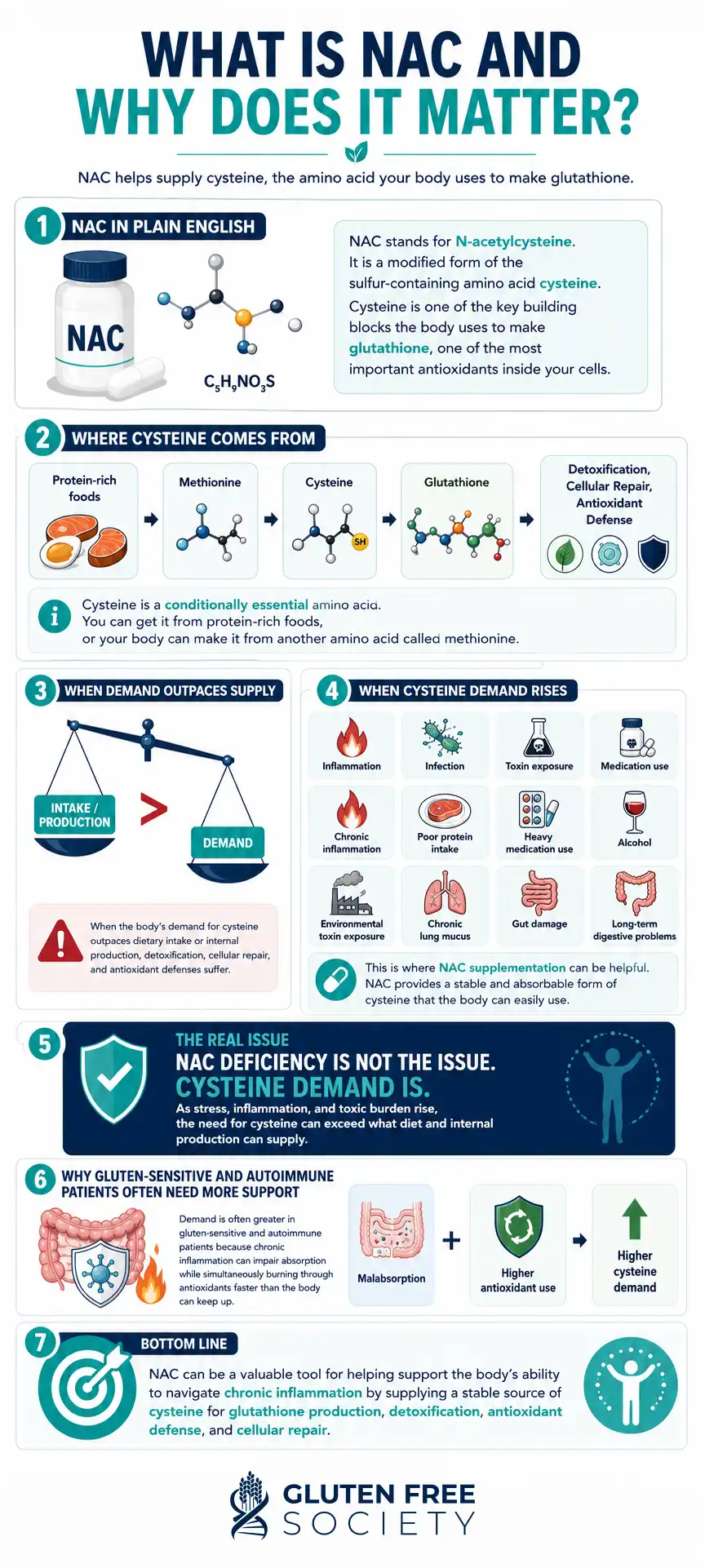
NAC stands for N-acetylcysteine. It is a modified form of the sulfur-containing amino acid cysteine. Cysteine is a key building blocks that the body uses to make glutathione, one of the most important antioxidants inside your cells.
Cysteine is a conditionally essential amino acid. It can be obtained through protein-rich foods, or the body can make it from another amino acid called methionine. When the body’s demand for cysteine outpaces dietary intake or internal production, detoxification, cellular repair, and antioxidant defenses suffer.
Demand for cysteine rises during inflammation, infection, toxin exposure, and medication use. This is where NAC supplementation can be helpful. NAC provides a stable and absorbable form of cysteine that the body can easily use.
That being said, NAC deficiency is not the issue. Cysteine demand is. The demand is increased by chronic inflammation, poor protein intake, heavy medication use, alcohol, environmental toxin exposure, chronic lung mucus, gut damage, and long-term digestive problems.
Typically demand is greater for gluten-sensitive and autoimmune patients because chronic inflammation causes malabsorption while simultaneously burning through antioxidants faster that the body can keep up.
This is where NAC supplementation can be a valuable tool in helping support the body’s ability to navigate chronic inflammation.
| Category | Key Details |
|---|---|
| Nutrient name | N-acetylcysteine, NAC, acetylcysteine |
| Nutrient type | Modified sulfur-containing amino acid derivative |
| Main body functions | Glutathione production, antioxidant defense, mucus clearance, detoxification support, immune balance, cellular redox protection |
| Deficiency symptoms | Low cysteine or glutathione reserve may contribute to fatigue, poor exercise recovery, poor wound healing chemical sensitivity, and immune vulnerability leading to increased risk of infection. |
| Common depletion causes | Low protein intake, aging, chronic inflammation, acetaminophen use, alcohol, toxin exposure, infection burden, malabsorption, oxidative stress |
| Medications that increase demand | Acetaminophen most clearly; other medications may increase oxidative or detoxification burden rather than directly “depleting NAC” |
| Best tests | Whole blood or RBC glutathione, GSH/GSSG ratio, plasma amino acids, organic acids, liver enzymes, oxidative stress markers, intracellular nutrient testing |
| Grain-free food sources | NAC is not naturally found in meaningful amounts in food. Foods supply cysteine and sulfur amino acids: eggs, poultry, beef, fish, shellfish, garlic, onions, cruciferous vegetables, sunflower seeds |
| Typical supplemental forms | N-acetyl-L-cysteine capsules, tablets, powder, effervescent tablets; IV acetylcysteine is medical use |
| Human research uses | Acetaminophen overdose, COPD/chronic bronchitis, PCOS, fertility, depression, OCD-related conditions, cold/flu, glutathione support, oxidative stress |
| Safe dose range from human studies | Common oral study ranges often fall between 600 and 2,400 mg/day; higher medical doses are used under medical supervision |
| Signs of too much | Nausea, vomiting, loose stool, sulfur burps, reflux, headache, flushing, rash; IV reactions can include hypersensitivity and bronchospasm |
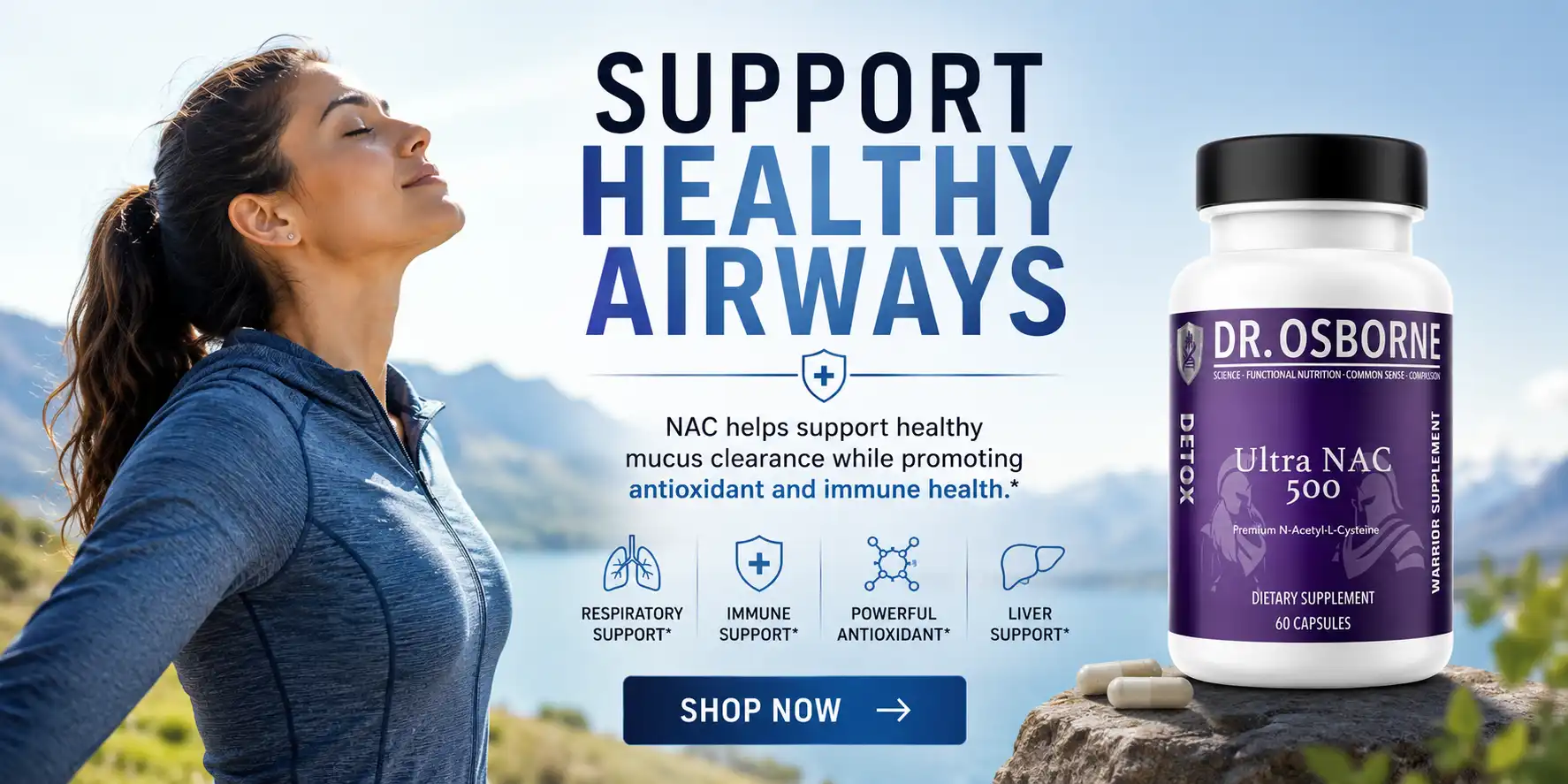
| Dr. Osborne’s Supplement Recommendation | Ultra NAC 500 provides 500 mg NAC per capsule for targeted glutathione and antioxidant support |
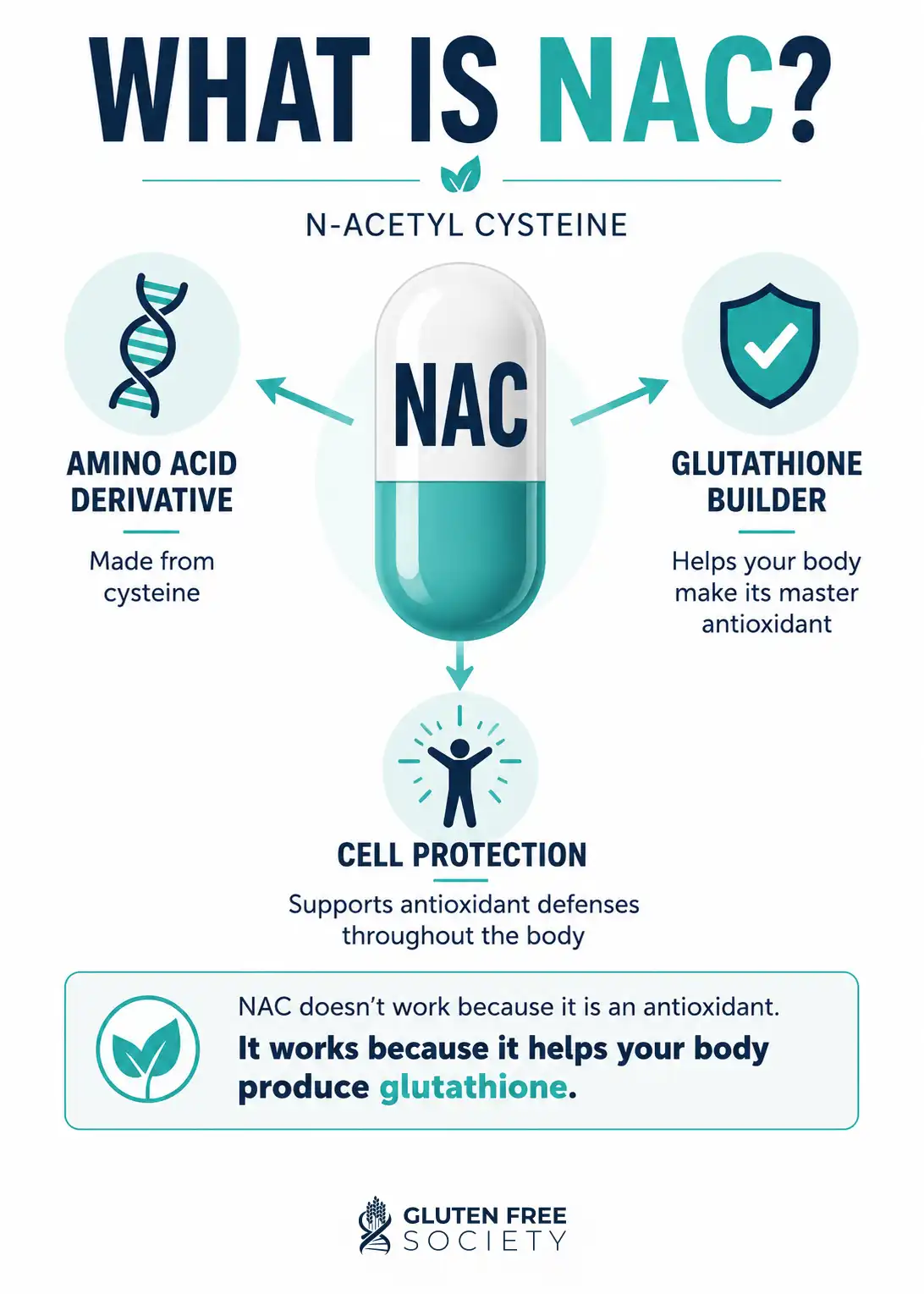
NAC is the acetylated form of the amino acid L-cysteine. In plain English, it is cysteine with an acetyl group attached. That chemical change improves stability and makes NAC useful as both a supplement and a medications for treating acetaminophen toxicity (AKA – Tylenol and paracetamol). With improved stability, NAC is better absorbed by the body, and is used as the rate limiting factor for the production of the master antioxidant, glutathione.
Cysteine is a sulfur-containing amino acid. The body can convert the essential amino acid, methionine into cysteine. The sulfur component helps the body handle oxidative stress, detoxification reactions, mucus structure, protein folding, and antioxidant recycling.
NAC is a popular recommendation from nutrition and medical professionals because it helps the body make glutathione.
Glutathione is made from three amino acids:
| Glutathione Building Block | Role |
|---|---|
| Glutamate | Structural backbone |
| Cysteine | Often the rate-limiting sulfur amino acid |
| Glycine | Finishes the glutathione molecule |
Cysteine availability is one of the major determinants of glutathione synthesis. NAC helps by providing cysteine support.
NAC has been around for decades. It was originally developed and patented around 1960 and became known medically as a mucolytic, meaning it helps thin thick mucus. Its use in medicine expanded after researchers recognized its ability to replenish glutathione in acetaminophen toxicity.
NAC has a long medical track record, including FDA-approved medical use as IV acetylcysteine for acetaminophen overdose.
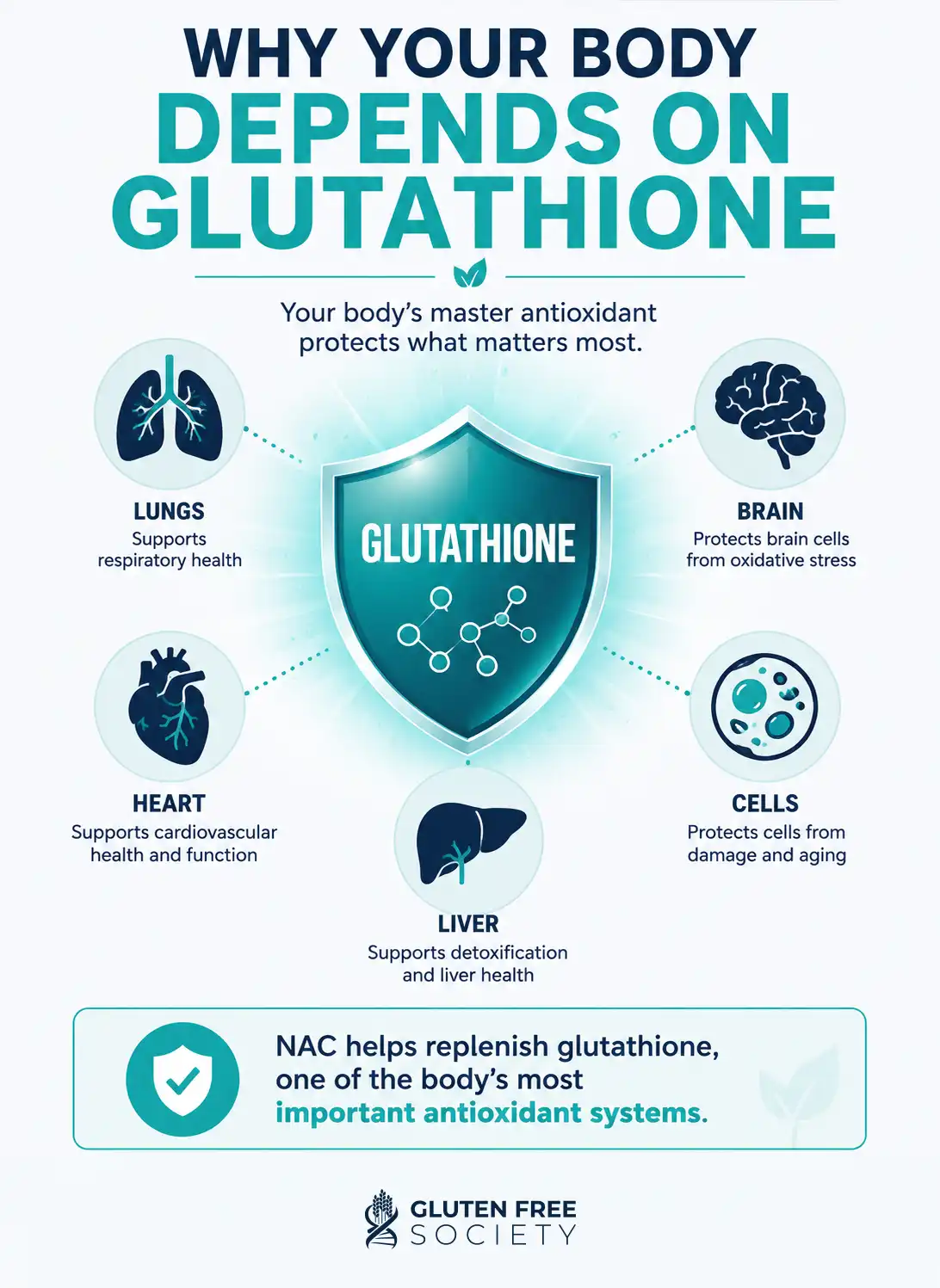
Glutathione is one of the body’s most important intracellular antioxidants. It helps protect cells against oxidative stress, supports detoxification chemistry, and helps maintain redox balance.
When cysteine is low, glutathione production can suffer. NAC helps by providing cysteine in a usable form.
Low glutathione reserve can show up clinically as poor recovery, chemical sensitivity, chronic inflammation, slow detoxification, and immune vulnerability (increased risk of infection, and longer infection times).
The liver uses glutathione to neutralize reactive compounds. Acetaminophen is the classic example. When acetaminophen is taken in toxic amounts, its reactive metabolite (NAPQI) can overwhelm glutathione reserves. IV acetylcysteine is FDA-approved to prevent or lessen liver injury after potentially toxic acetaminophen ingestion.
Clinically, that tells us something important. The body needs glutathione to handle detoxification stress. NAC is not a license to abuse acetaminophen, alcohol, or chemicals. It is a tool that can support glutathione biology when used intelligently.
NAC has mucolytic activity. It helps break disulfide bonds in mucus proteins, making thick mucus less viscous. That is one reason NAC has been studied in chronic bronchitis and COPD.
A 2024 meta-analysis found that NAC reduced exacerbation incidence in COPD and chronic bronchitis/pre-COPD groups.
The practical takeaway is not that NAC breaks up excess mucus thus supporting airway clearance and function.
Immune cells generate oxidative compounds as part of their defense strategy. That process is normal. But when oxidative stress outruns antioxidant capacity, the immune system becomes inefficient and inflammatory.
NAC helps support glutathione production and redox balance inside of white blood cells. That is one reason NAC has been studied in infection-related oxidative stress, chronic lung conditions, and inflammatory states.
Mitochondria make energy. They also produce reactive oxygen species as a normal byproduct of metabolism. When glutathione reserve is low, mitochondrial stress can rise.
Human research using GlyNAC, a combination of glycine and NAC, has shown improved glutathione concentrations and multiple markers related to oxidative stress, mitochondrial function, inflammation, muscle strength, and cognition in older adults.
NAC has also been studied for brain and mental health in the context of oxidative stress, inflammation, and glutamate regulation. Human studies have examined NAC as adjunctive support in depression, bipolar depression, OCD-related conditions, trichotillomania, and substance-use-related disorders.
A 2024 systematic review and meta-analysis examined NAC for depression and found evidence suggesting potential benefit as adjunctive therapy in some patients.
NAC supplementation has also been studied in patients with obsessive-compulsive disorder (OCD) to be beneficial.
Oxidative stress can damage sperm membranes and DNA. NAC has been studied in male infertility and PCOS.
A 2023 systematic review and meta-analysis of 11 randomized trials involving women with PCOS found NAC improved several metabolic parameters, including fasting blood glucose and lipid levels.
NAC has also been evaluated in male infertility research, where supplementation was shown to improve sperm quality, viability, and count. influence sperm parameters and oxidative stress markers.
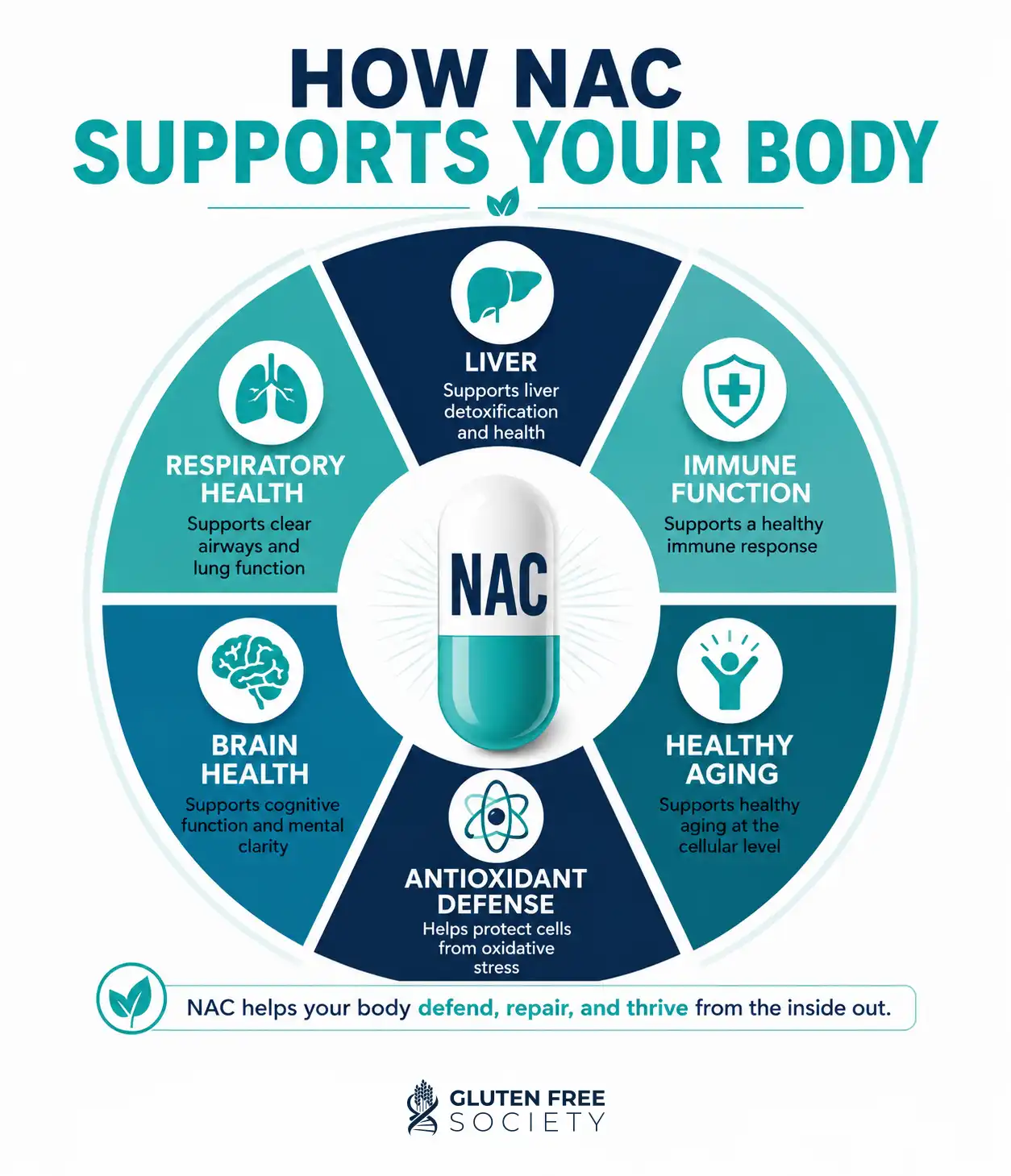
Low cysteine and glutathione levels are primarily caused by inadequate dietary intake of protein and B-vitamins. In addition, aggressive exercise, chronic stress, medication use, GI tract inflammation, drug or alcohol abuse, processed diets, toxic environmental exposures can all deplete cysteine and glutathione. Because cysteine is the direct, rate-limiting building block required to synthesize glutathione, a drop in cysteine levels almost always triggers a parallel drop in glutathione
Common reasons people may need more NAC or glutathione support include:
| Cause | Why It Matters |
|---|---|
| Low protein intake | Cysteine comes from protein foods |
| Poor digestion | Low stomach acid, pancreatic insufficiency, gut inflammation, and poor enzyme output can impair amino acid availability |
| Gluten sensitivity or celiac disease | Gut injury and inflammation can increase oxidative stress and impair nutrient absorption |
| Autoimmune disease | Chronic immune activation raises antioxidant demand |
| Acetaminophen use | Acetaminophen metabolism uses glutathione, especially in high dose or overdose states |
| Alcohol | Alcohol increases liver oxidative burden and glutathione demand |
| Mold and chemical exposure | Detoxification pathways require glutathione chemistry |
| Chronic infection burden | Immune activation increases oxidative stress |
| Aging | Glutathione status often declines with age |
| Heavy exercise | Exercise is beneficial, but intense training raises oxidative turnover |
| Processed diet | Low protein quality and low phytonutrient density can impair antioxidant reserve |
There is no single symptom that proves you need NAC. That being said, below is a list of symptoms that should trigger an investigation.
| Body System | Possible Symptoms or Patterns |
|---|---|
| Energy/metabolism | Fatigue, poor stamina, slow recovery, exercise intolerance |
| Brain/mood | Brain fog, low mood, irritability, poor stress tolerance |
| Nerves | Burning, tingling, sensitivity to chemical smells, poor nerve recovery |
| Muscles | Soreness, weakness, poor post-exercise recovery |
| Skin | Slow healing, inflammatory skin flares, poor antioxidant resilience |
| Immune system | Frequent infections, prolonged recovery, inflammatory flares |
| Gut/digestion | Food sensitivity patterns, bloating, poor protein tolerance |
| Respiratory | Thick mucus, chronic congestion, mucus that is hard to clear |
| Liver/detox | Chemical sensitivity, alcohol sensitivity, poor tolerance to medication burden |
| Hormones/fertility | PCOS patterns, oxidative stress-related fertility concerns |
| Blood sugar | Insulin resistance patterns, metabolic inflammation |
Symptoms overlap with dozens of common diagnoses. That is why appropriate testing is important. Intracellular nutrient analysis (INA) testing measures, cysteine, methionine, glutathione, B-vitamins, and many other important nutrients that work synergistically together.
Don’t guess your way through fatigue, brain fog, mucus, inflammation, or chemical sensitivity. You want to identify the deficiencies so they can be appropriately addressed.
Higher-risk groups include:
In my clinical practice, people with gluten sensitivity, mold exposure, or pre-existing autoimmune conditions often benefit from NAC supplementation.
Medication-induced nutrient depletion is one of the most overlooked causes of chronic symptoms.
Many drugs have to be processed by the liver using glutathione. This increases the risk of depletion and makes NAC a viable candidate to support patients being treated with polypharmacy (multiple mediations). In addition, some medicines increase oxidative stress thus increasing the need for glutathione.
| Medication or Drug Class | How It May Affect NAC or Glutathione Demand | Possible Consequences |
|---|---|---|
| Acetaminophen | Uses glutathione to neutralize reactive metabolites; overdose can overwhelm glutathione reserve | Liver injury risk in overdose; higher detox burden |
| Alcohol | Increases liver oxidative stress and glutathione demand | Poor detox tolerance, liver stress |
| Chemotherapy drugs | Some increase oxidative stress and may affect antioxidant balance | Fatigue, oxidative stress burden, tissue stress |
| NSAIDs | Can increase GI and oxidative burden in susceptible people | Gut irritation, inflammation burden |
| Antibiotics | May disrupt gut ecology and increase inflammatory burden in some people | Digestive symptoms, altered nutrient terrain |
| Steroids | Can alter immune and metabolic physiology | Blood sugar stress, tissue repair issues |
| Proton pump inhibitors | Not a direct NAC depleter, but can impair protein digestion and mineral status over time | Lower amino acid and nutrient availability in some patients |
| GLP-1 medications | Not a direct NAC depleter, but reduced intake, nausea, and lower protein intake can reduce amino acid availability | Low protein intake, muscle loss risk, nutrient insufficiency |
| Nitroglycerin | NAC may potentiate nitroglycerin effects and increase headache risk | Headache, low blood pressure symptoms in some patients |
Surgeries that impact the GI tract may affect future absorption and digestion, thus increasing the risk for developing cysteine deficiency.
| Surgery | Why It May Increase Risk |
|---|---|
| Gastric bypass | Reduced stomach capacity, altered digestion, malabsorption risk |
| Sleeve gastrectomy | Reduced food intake, lower protein intake, reflux and nutrient issues |
| Bowel resection | Reduced absorptive surface |
| Ileal resection | Malabsorption risk and microbiome disruption |
| Pancreatic surgery | Reduced enzyme output and protein digestion |
| Gallbladder removal | Bile flow changes can affect fat digestion and gut ecology |
| Chronic intestinal surgery history | Scar tissue, motility changes, malabsorption, low intake |
There is no RDA for NAC. It is not an essential vitamin or mineral. Dose depends on the purpose, duration of use, and individualized tolerance.
| Goal | Form Used | Dose Range Used in Human Studies or Clinical Use | Duration | Notes |
|---|---|---|---|---|
| General antioxidant support | Oral NAC | 500 to 600 mg/day | Ongoing or cycles | Often used for maintenance |
| Glutathione support | Oral NAC | 600 to 1,200 mg/day | 4 to 12+ weeks | Often paired with glycine or protein support |
| Respiratory mucus support | Oral NAC | 600 to 1,200 mg/day | Weeks to months | COPD studies vary |
| PCOS metabolic support | Oral NAC | Often 1,200 to 1,800 mg/day | 8 to 24 weeks | Study protocols vary |
| Mood/OCD adjunctive support | Oral NAC | Often 1,200 to 2,400 mg/day | 8 to 24 weeks | Best used with broader clinical strategy |
| Acetaminophen overdose | IV or oral acetylcysteine | Medical weight-based protocols | Emergency treatment | Not a supplement protocol |
For daily use, many people start in the 500 to 600 mg/day range. Higher amounts, such as 1,200 to 2,400 mg/day, are commonly seen in human trials, but higher-dose long-term use is better guided by testing, symptoms, medication history, and tolerance.
In my practice, I start patients on 500 mg daily and sometimes increase the dose as high as 2,500 mg/day.
Best timing to supplement NAC:
Yes, but oral NAC is generally well tolerated at typical supplemental ranges. Most unwanted effects are digestive.
| Too Much NAC May Cause | Why It Happens |
|---|---|
| Nausea or vomiting | Sulfur compound and GI irritation |
| Loose stool | Dose-related GI effect |
| Reflux or sulfur burps | Sulfur odor and stomach sensitivity |
| Headache | Sensitivity or interaction, especially with nitrates |
| Rash or itching | Sensitivity reaction |
| Wheezing or bronchospasm | Rare, more relevant with inhaled or IV medical use |
| Low blood pressure symptoms with nitroglycerin | Potential interaction |
Who should Avoid NAC?:
You do not usually test “NAC levels.” You test the system NAC supports. This includes measuring cysteine, methionine, glutathione, B vitamins, and other nutrients involved in REDOX function. This is why my favorite tool to use clinically is the INA test.
| Test | What It Measures | Pros | Limitations |
|---|---|---|---|
| Intracellular Nutrient Analysis (INA) | Cellular nutrient needs | Functional outcome test with high accuracy and comprehensive assessment of all nutrients involved. | Availability varies by location |
| GSH/GSSG ratio | Reduced vs oxidized glutathione balance | Shows redox stress | Specialized test |
| Plasma amino acids | Cysteine, glycine, glutamate, methionine patterns | Helps identify precursor gaps | Plasma can fluctuate with meals |
| Whole blood or RBC glutathione | Intracellular glutathione reserve | More clinically useful than guessing | Availability varies by lab. Test is incomplete without the context of other nutrients. |
| Liver panel | ALT, AST, bilirubin, GGT | Helps evaluate liver stress | Does not measure cysteine or glutathione directly |
| Oxidative stress markers | Lipid peroxidation, 8-OHdG, related markers | Shows oxidative burden | Not always specific |
If you are considering taking higher doses of NAC for long periods of time, testing should be done periodically to reduce the risk of nutritional imbalance.
NAC itself is not naturally found in meaningful amounts in food. Foods provide cysteine, methionine, glycine, sulfur compounds, and other glutathione cofactors. The following information is based on USDA FoodData Central.
| Food | Serving Size | NAC-Relevant Nutrient Contribution | Notes |
|---|---|---|---|
| Eggs | 2 eggs | Cysteine, methionine, choline, sulfur compounds | Excellent glutathione-support food |
| Chicken | 4 to 6 oz | Cysteine and complete protein | Easy protein source |
| Turkey | 4 to 6 oz | Cysteine and complete protein | Good for repair diets |
| Beef | 4 to 6 oz | Complete protein, zinc, B vitamins | Supports amino acid status |
| Wild salmon | 4 to 6 oz | Protein, omega-3s, selenium | Supports inflammation balance |
| Shellfish | 3 to 6 oz | Protein, zinc, selenium | Good immune and antioxidant cofactors |
| Garlic | 1 to 2 cloves | Sulfur compounds | Supports phase II detox pathways |
| Onion | 1/2 cup | Sulfur compounds and polyphenols | Easy daily addition |
| Broccoli | 1 cup | Sulfur compounds, vitamin C | Grain-free detox support |
| Brussels sprouts | 1 cup | Sulfur compounds | Supports antioxidant enzyme pathways |
| Sunflower seeds | 1/4 cup | Cysteine-containing protein, vitamin E | Use if tolerated |
| Bone broth/collagen | 1 serving | Glycine | Pairs well with NAC for glutathione support |
Food is foundational. But food may not be enough when:
| Form | Best For | Pros | Cons |
|---|---|---|---|
| N-acetyl-L-cysteine capsule | General glutathione support | Convenient, stable, common | Sulfur smell is normal |
| NAC powder | Flexible dosing | Easy dose adjustment | Taste and smell can be unpleasant |
| Effervescent NAC | Respiratory support protocols | None | May contain sweeteners or additives |
| IV acetylcysteine | Acetaminophen overdose | Medical emergency use | Not a supplement, requires medical supervision |
| Liposomal glutathione | Direct glutathione support | Bypasses some conversion steps | Different product category than NAC |
| GlyNAC | Glutathione precursor strategy | Supplies NAC plus glycine | Dose and tolerance vary |
For gluten-sensitive patients, the nutrient form matters, but so do the other ingredients in the capsule. Fillers, binders, grain-derived excipients, and hidden contaminants can be a problem for sensitive individuals.
Nutrients do not work in isolation. The body is not a one-nutrient machine.
| Cofactor | Why It Matters |
|---|---|
| Glycine | Combines with cysteine and glutamate to make glutathione |
| Glutamate/glutamine | Provides the glutamate backbone for glutathione |
| Selenium | Supports glutathione peroxidase enzymes |
| Riboflavin | Supports glutathione reductase and redox recycling |
| Magnesium | Supports ATP-dependent enzymatic reactions |
| Vitamin C | Works with glutathione in antioxidant recycling |
| Zinc | Supports immune and antioxidant enzyme function |
| B vitamins | Support methylation and amino acid metabolism |
| Protein | Supplies amino acids needed for glutathione synthesis |
| Sulfur vegetables | Provide sulfur compounds that support detoxification pathways |
Gluten-sensitive and autoimmune patients should pay attention to NAC because chronic inflammation raises antioxidant demand.
Celiac disease is associated with intestinal inflammation, oxidative damage, and altered antioxidant defenses. Research has reported decreased glutathione-related antioxidant activity and impaired antioxidant defense in celiac disease. See Celiac Disease, Inflammation and Oxidative Damage and Oxidative stress as a biomarker for monitoring treated celiac disease.
That does not mean NAC cures celiac disease or autoimmune disease. It means the terrain often needs antioxidant and nutrient support.
The common mistake is thinking the diet change alone fixes everything.
Going gluten-free is not the same thing as healing from years of malabsorption. Removing gluten is step one. Rebuilding nutrient status is another essential part of recovery.
For autoimmune patients, NAC may fit into a larger plan that includes:
| Mistake | Why It Fails |
|---|---|
| Guessing instead of testing | You may miss the real root cause |
| Taking NAC but eating low protein | NAC cannot replace a protein-deficient diet |
| Ignoring glycine | Glutathione needs glycine too |
| Ignoring gluten-related malabsorption | You cannot supplement your way around ongoing gut damage |
| Using low-quality supplements | Fillers and contaminants matter for sensitive patients |
| Taking too much too fast | GI upset and sulfur intolerance can occur |
| Assuming normal labs mean optimal function | Standard labs often miss intracellular insufficiency |
| Ignoring acetaminophen burden | Glutathione demand can rise sharply |
| Ignoring mold or toxin exposure | High exposure can outpace antioxidant support |
| Not retesting | You cannot manage what you never measure |
| Using NAC as a drug substitute | Nutrients support function; they do not replace emergency care |
NAC supports glutathione production, antioxidant defense, mucus clearance, liver detoxification pathways, immune resilience, and cellular repair.
NAC provides cysteine, a key amino acid used to make glutathione. Glutathione helps protect cells from oxidative stress and supports detoxification chemistry. See Glutathione Synthesis.
No. NAC is a modified amino acid derivative, not a vitamin or mineral.
There is no standard NAC deficiency diagnosis. People may have low cysteine availability, poor glutathione reserve, or high oxidative demand.
Possible signs include fatigue, poor recovery, chemical sensitivity, thick mucus, immune vulnerability, brain fog, inflammatory flares, and poor detox tolerance.
There is no standard NAC test. Better options include RBC or whole blood glutathione, GSH/GSSG ratio, plasma amino acids, organic acids, liver markers, and intracellular nutrient testing.
Foods do not provide meaningful NAC. They provide cysteine and sulfur amino acids. Good grain-free options include eggs, poultry, beef, fish, shellfish, garlic, onions, broccoli, Brussels sprouts, and sunflower seeds.
Yes, indirectly. Gluten-related inflammation and gut damage can increase oxidative stress and impair nutrient absorption, which may increase the need for glutathione support.
Research has linked celiac disease with oxidative stress and impaired antioxidant defenses in intestinal tissue. See Celiac Disease, Inflammation and Oxidative Damage.
Acetaminophen is the clearest example because its toxic metabolite is neutralized by glutathione, especially in overdose. See the FDA ACETADOTE label.
NAC supports glutathione biology, which is central to liver detoxification. It is also medically used in acetaminophen overdose, but liver disease and overdose require proper medical evaluation.
NAC has mucolytic activity and has been studied in chronic bronchitis and COPD. Its main respiratory benefit is helping thin thick mucus. See NAC treatment in COPD and chronic bronchitis.
Common supplemental use often starts around 500 to 600 mg/day. Human studies often use 600 to 2,400 mg/day depending on the purpose. Higher amounts should be guided by clinical context and testing.
NAC can be taken on an empty stomach, but people with nausea, reflux, or sulfur burps may tolerate it better with food.
Yes. Too much may cause nausea, vomiting, loose stool, reflux, headache, sulfur burps, rash, or sensitivity reactions.
Glycine, selenium, vitamin C, riboflavin, magnesium, zinc, B vitamins, glutamine, and adequate protein all support glutathione metabolism.
Oral NAC is generally well tolerated in typical supplemental ranges, but long-term use should be matched to need, symptoms, medication history, and testing.
Yes. NAC may increase headache or low blood pressure symptoms when combined with nitroglycerin or nitrate medications. See NAC enhances nitroglycerin-induced headache.
NAC may support antioxidant defense in autoimmune patients with oxidative stress burden, but it does not replace identifying triggers such as gluten, infection, mold, toxins, nutrient deficiencies, or poor diet.
No. Acetaminophen overdose is an emergency. IV or oral acetylcysteine protocols for overdose require medical evaluation, acetaminophen levels, liver markers, and timing-based treatment. See the FDA ACETADOTE prescribing information.
NAC is a potent supplement with a human research based track record for a number of health conditions. It is safe to take orally, and in my experience has been a very effective clinical tool to support health recovery in patients with chronic inflammation and autoimmune disease.