new to the gluten free journey?



Your body uses magnesium to make energy, regulate nerve impulses, contract and relax muscles, maintain a normal heartbeat, build bone, produce proteins, manufacture DNA, regulate blood sugar, activate vitamin D, and support hundreds of additional biochemical reactions.
Despite is major role across multiple functions, magnesium is rarely included in routine medical testing. Even when it is measured, the standard serum test only evaluates the tiny fraction of magnesium circulating in the blood. Less than 1 percent of the body’s magnesium is found in serum. Most is stored inside soft tissues and bone.
Dietary intake is another concern. Current national survey data indicate that approximately 48 percent of Americans consume less magnesium from food and beverages than their estimated average requirement.
People with chronic diarrhea, celiac disease, inflammatory bowel disease, intestinal surgery, type 2 diabetes, alcohol dependence, medication exposure, or age-related changes in absorption face an even greater risk.
Muscle cramps, fatigue, headaches, numbness, poor sleep, weakness, palpitations, anxiety, and blood sugar problems are all possible symptoms, but the best way to determine a magnesium deficiency is with proper testing. That is why the intelligent approach is simple:
Test, identify the cause, correct what is missing, and retest.
| Category | Key Details |
|---|---|
| Nutrient name | Magnesium |
| Nutrient type | Essential mineral and electrolyte |
| Main functions | Energy production, enzyme activation, muscle contraction and relaxation, nerve signaling, blood sugar regulation, blood pressure regulation, bone structure, protein synthesis, DNA and RNA production, glutathione synthesis, normal heart rhythm |
| Early deficiency symptoms | Fatigue, weakness, loss of appetite, nausea, vomiting |
| Advanced deficiency symptoms | Numbness, tingling, muscle contractions, cramps, seizures, personality changes, abnormal heart rhythms, low calcium, low potassium |
| Common depletion causes | Low intake, chronic diarrhea, malabsorption, celiac disease, intestinal inflammation, bowel surgery, uncontrolled diabetes, alcohol use, medication-induced losses |
| Medications linked to depletion | Proton pump inhibitors, loop diuretics, thiazide diuretics, cisplatin, carboplatin, EGFR inhibitors, aminoglycosides, amphotericin B, calcineurin inhibitors, insulin mimetics |
| Important interactions | Tetracycline and quinolone antibiotics, oral bisphosphonates |
| Best tests | Intracellular Nutrient Analysis (INA), RBC & WBC magnesium, serum magnesium plus clinical context; ionized, urine, and related electrolytes may provide additional information |
| Grain-free food sources | Pumpkin seeds, chia seeds, almonds, spinach, cashews, peanuts, black beans, edamame, avocado, salmon, halibut |
| Supplemental forms | Citrate, glycinate, chloride, lactate, aspartate, malate, L-threonate, oxide, hydroxide |
| Human research areas | Migraine prevention, blood pressure, blood sugar regulation, depression, sleep, bone health, constipation, and chronic pain |
| Adult RDA | Men: 400 to 420 mg daily; women: 310 to 320 mg daily |
| Supplemental UL | 350 mg daily for adults, excluding food |
| Signs of excess | Diarrhea, nausea, abdominal cramps, lethargy, weakness, low blood pressure, breathing difficulty, irregular heartbeat |
| Dr. Osborne Magnesium Products | Ultra Mg, Ultra CalMag, Clear Mag, & Ultra Minerals |
Magnesium is an essential mineral. “Essential” means your body requires it but cannot manufacture it. You must obtain magnesium from food, water, supplements, or magnesium-containing medications.
The adult body contains approximately 25 grams of magnesium. Roughly 50 to 60 percent is stored in bone. Most of the remainder is inside muscles and other soft tissues. Less than 1 percent circulates in blood serum.
This distribution explains why magnesium testing is not as simple as ordering one routine blood test. Your body tightly regulates serum magnesium because stable blood concentrations are essential for nerve transmission, muscle activity, and heart rhythm. Serum levels can remain within the laboratory range even while intracellular or bone stores are under pressure.
Magnesium carries an electrical charge when dissolved in body fluids. This allows it to participate in the movement of other charged minerals, including calcium and potassium, across cell membranes.
That movement is necessary for:
Magnesium is not interchangeable with potassium, sodium, or calcium. These minerals work together, but each has distinct functions.

Supplemental magnesium must be bound to another compound. Examples include citrate, glycinate, chloride, oxide, malate, and L-threonate.
The compound influences:
Forms that dissolve readily, including magnesium citrate, glycinate, chloride, lactate, and aspartate, tend to be absorbed more completely than poorly soluble forms such as magnesium oxide and sulfate.
Magnesium compounds were used long before magnesium was recognized as an individual element.
In 1755, Scottish chemist Joseph Black distinguished magnesia from lime and recognized that it contained a separate element. Sir Humphry Davy isolated a small amount of magnesium metal in 1808 through electrolysis. Antoine Bussy later produced a more substantial quantity in 1831.
The discovery eventually moved magnesium from the chemistry laboratory into physiology and medicine. Researchers learned that magnesium was not simply part of rocks, salts, and seawater. It was a fundamental component of living cells.
Modern research has now identified magnesium as a cofactor in more than 300 enzyme systems, although some broader biochemical databases identify magnesium-dependent interactions with many more proteins and reactions.
Magnesium is required for glycolysis and oxidative phosphorylation, the major pathways your cells use to convert carbohydrates, fats, and amino acids into usable energy.
ATP is often described as the body’s energy currency. Inside the cell, ATP typically functions as a magnesium-ATP complex. Without enough magnesium, energy production and energy-dependent enzymes cannot operate normally.
Low magnesium is not the only cause of fatigue, but fatigue and weakness are recognized early signs of deficiency.
Mitochondria create most of the energy used by active tissues. The brain, heart, muscles, liver, and intestinal lining have high energy demands.
Magnesium participates in:
A magnesium deficit can therefore affect many tissues at the same time rather than producing one isolated symptom.
Magnesium helps control the movement of calcium and potassium across cell membranes. This is essential for nerve impulse conduction, muscle contraction, and muscle relaxation.
When deficiency becomes more severe, symptoms can include:
Clinically speaking: Magnesium deficiency can cause cramping, but cramping does not always mean magnesium deficiency. Other nutrients deficiencies may also cause muscle cramping. Potassium, calcium, vitamin B1, and B12 are examples. This is why comprehensive testing for nutritional deficiencies is recommended.

The heart is an electrical organ. Magnesium helps regulate the ion movement required for each heartbeat. A number of research studies have linked magnesium deficiency to cardiovascular health issues.
Some examples include:
Between 50 and 60 percent of the body’s magnesium is stored in bone. Magnesium contributes to bone structure and influences osteoblasts, osteoclasts, parathyroid hormone, and vitamin D metabolism.
Magnesium also regulates chondrocytes (cells that help make cartilage). Deficiency is linked to cartilage degradation and increased risk for osteoarthritis.
The body continuously builds and repairs proteins, enzymes, hormones, receptors, membranes, and genetic material.
Magnesium is required for:
Tissues with rapid turnover, such as the intestinal lining, immune system, skin, and bone marrow, depend on a reliable supply of magnesium to maintain their function.
Magnesium is required for the synthesis of glutathione, one of the body’s primary intracellular antioxidants. Glutathione deficiency contributes to healthy liver function, and when depleted can contribute to multiple chronic inflammatory diseases.
Magnesium is involved in glucose metabolism and insulin signaling. People with insulin resistance or type 2 diabetes may lose more magnesium through the urine, especially when blood glucose is poorly controlled.
Observational research consistently links higher magnesium intake with a lower risk of developing type 2 diabetes. Human research on supplementing magnesium has shown reduced insulin resistance and improved blood sugar control.
Magnesium influences vascular tone, ion transport, and smooth-muscle function. Blood vessels contract and relax under the influence of smooth muscle.
A 2024 umbrella meta-analysis covering 10 systematic reviews and 8,610 participants found that magnesium supplementation produced reductions in systolic and diastolic blood pressure. Larger effects appeared in some studies using at least 400 mg daily for 12 weeks or longer.
I have seen several patients be able to lower or even stop blood pressure medications after correcting magnesium deficiency. If you have hypertension, make sure you work with your doctor to explore magnesium as an option to support your condition.
Magnesium’s effect on pain is well researched. Magnesium plays a major role in pain because it helps calm overactive nerves, acting like a natural “brake” on NMDA receptors, which are involved in pain amplification. When these receptors stay overactive, the nervous system can become hypersensitive, meaning pain signals feel stronger and last longer than they should. Magnesium helps reduce that pain sensitivity.
Magnesium also supports normal muscle relaxation, energy production, and inflammation balance. This helps explain why low magnesium status can show up as muscle cramps, tension, headaches, migraines, nerve pain, and increased sensitivity to pain. In simple terms, when magnesium is low, the body is more likely to stay tense, irritated, and inflamed.
Enzymes involved in vitamin D activation and metabolism require magnesium. Human trials have shown that magnesium status can influence the response to vitamin D supplementation.
This may help explain why some people take vitamin D but do not achieve the expected change in their vitamin D markers. If this sounds like you, talk with your doctor about investigating your magnesium status.
Magnesium participates in neurotransmission, nerve excitability, energy production, and stress-response pathways. Low magnesium can contribute to neurological and neuropsychiatric symptoms when deficiency is present. A 2023 meta-analysis of randomized trials found that magnesium supplementation reduced depression scores compared with control conditions.
Sleep research has also produced promising but limited results. A 2021 systematic review and meta-analysis found that magnesium supplementation shortened the time required to fall asleep in older adults. A 2024 randomized trial of magnesium L-threonate reported improvements in selected subjective and objective sleep measures.
In my clinical experience, patients commonly report improvements in ability to fall asleep and in the quality of their sleep using supplemental magnesium in doses ranging from 200-600 mg/day. Magnesium threonate typically works better for sleep than other forms.
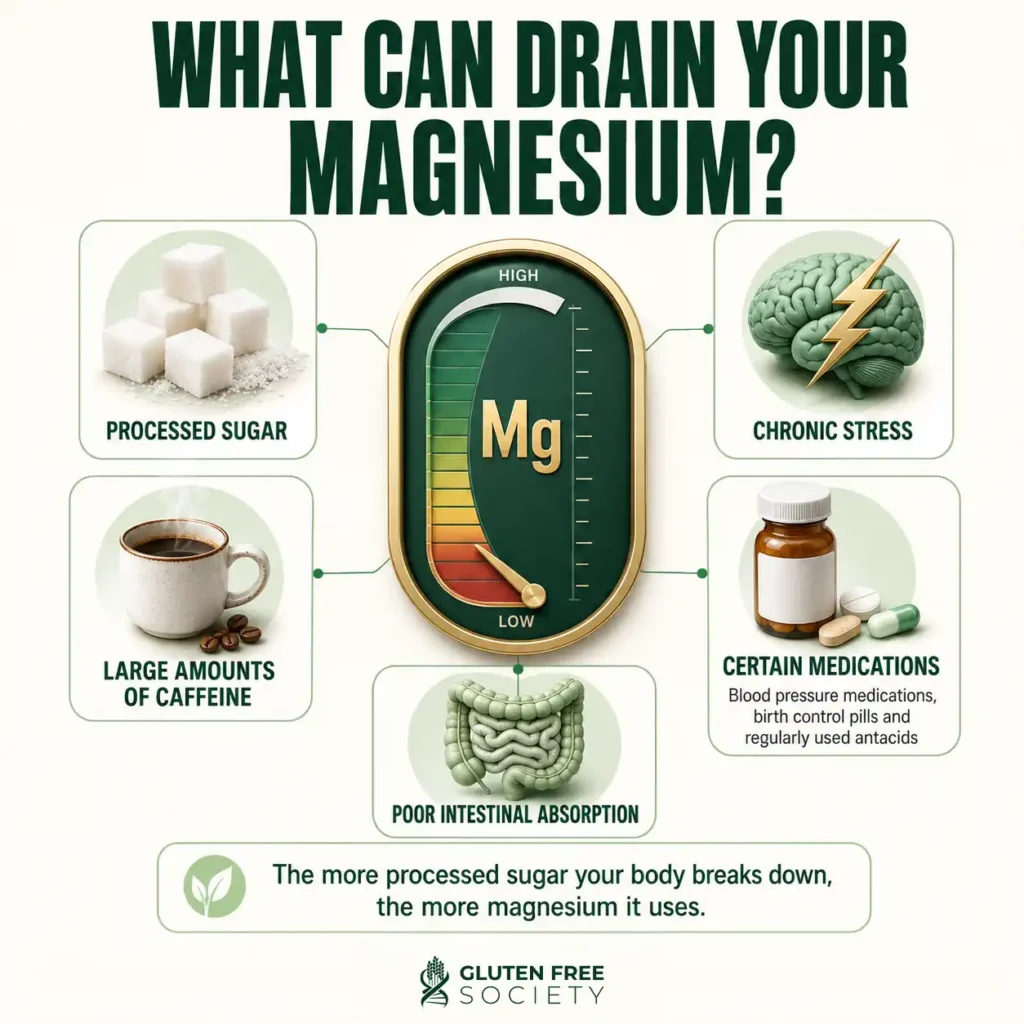
Approximately 60% of US adults don’t eat enough magnesium based in daily intake recommendations. An estimated 45% have magnesium deficiency. Several factors play a role in this widespread problem. Let’s break them down.
Magnesium levels in food are lower today largely because modern farming has depleted the soil. High-yield crops pull minerals out of the ground faster than they are replaced, and fertilizers often focus on nitrogen, phosphorus, and potassium while ignoring magnesium. Simply put, modern agriculture can produce greater volumes of food, but the end product contains less magnesium
Magnesium is concentrated in seeds, nuts, leafy greens, legumes, and other minimally processed foods.
Refining food can remove magnesium-rich components. Replacing whole foods with refined starches, sugar, snack foods, and processed gluten-free substitutes further reduces nutrient density.
If you are following a gluten free diet, you have to be especially careful if you are eating processed gluten free substitute packages. Research shows that the majority of these packaged foods do not contain adequate nutrients, and patients using them as staple foods are more likely to develop a deficiency in magnesium and other nutrients.
It has been my experience that patients following a traditional gluten free diet inclusive of packaged corn and rice based products have much higher rates nutritional deficiencies when measured by intracellular nutrient analysis testing (INA).
Chronic diarrhea and fat malabsorption associated with celiac disease, Crohn’s disease, regional enteritis, and other intestinal disorders can gradually deplete magnesium.
The issue is not always how much magnesium enters the mouth. The issue may be how much is absorbed and retained.
40 million Americans have type II diabetes, and 115 million have pre-diabetes. Magnesium is a required cofactor in insulin and glucose control. Elevated glucose can drive magnesium wasting through the kidneys. This can create a cycle in which poor glucose control increases magnesium loss while low magnesium may further impair normal insulin signaling.
Chronic alcohol use can lower magnesium through:
Magnesium deficiency is common in chronic alcohol dependence.
Older adults commonly consume less magnesium. Intestinal absorption may decline while urinary magnesium losses increase. Older adults are also more likely to take medications that alter magnesium status.
Medication-induced magnesium depletion is one of the most overlooked causes of persistent symptoms.
Long-term proton pump inhibitors, loop diuretics, thiazide diuretics, corticosteroids, estrogen HRT, certain antibiotics, platinum chemotherapy drugs, EGFR inhibitors, and calcineurin inhibitors can interfere with magnesium absorption or increase magnesium loss.
Small-intestinal resection or bypass, particularly surgery involving the ileum, can cause magnesium malabsorption and loss.
Bariatric surgery can also create risk through:
Intense exercise can induce magnesium loss through both urine and sweating, leading to an increased need for magnesium by an estimated 10-20%. Athletes performing regular aggressive training are at greatest risk for developing deficiency.
| Body System | Possible Deficiency Symptoms |
|---|---|
| Energy and metabolism | Fatigue, weakness, reduced exercise tolerance |
| Brain and mood | Personality changes, irritability, lethargy, impaired concentration |
| Nerves | Tingling, numbness, tremor, increased nerve excitability, seizures in severe deficiency |
| Muscles | Twitching, contractions, cramps, spasms, weakness |
| Skin, hair, and nails | No single skin, hair, or nail symptom is specific to magnesium deficiency |
| Immune system | Magnesium supports cellular metabolism, but recurrent infections alone do not diagnose deficiency |
| Gut and digestion | Poor appetite, nausea, vomiting; excessive supplements may cause diarrhea |
| Cardiovascular system | Palpitations, abnormal rhythms, low blood pressure in toxicity, coronary spasm in severe deficiency |
| Hormones and blood sugar | Impaired glucose handling may occur, particularly with insulin resistance or diabetes |
| Bones and joints | Reduced bone support over time; low magnesium can alter vitamin D, calcium, and parathyroid hormone physiology |
| Blood and electrolytes | Low potassium or low calcium that is difficult to correct |
| Neurological emergency signs | Seizures, severe weakness, major rhythm changes, confusion |
Early (subclinical) magnesium deficiency may be vague and difficult for the inexperienced or nutritionally untrained doctor to diagnose. Fatigue, weakness, nausea, and poor appetite are easy to blame on stress, aging, poor sleep, or another diagnosis.
As deficiency progresses, the neurological and muscular signs become more obvious. Tingling, contractions, cramps, seizures, and rhythm disturbances can occur. Severe deficiency can also cause low potassium and low calcium.

Many common diseases have overlapping symptoms with magnesium deficiency. In my experience, many patients coming to my clinic have been misdiagnosed, and their magnesium deficiency is being treated with medication.
Low magnesium symptoms can overlap with:
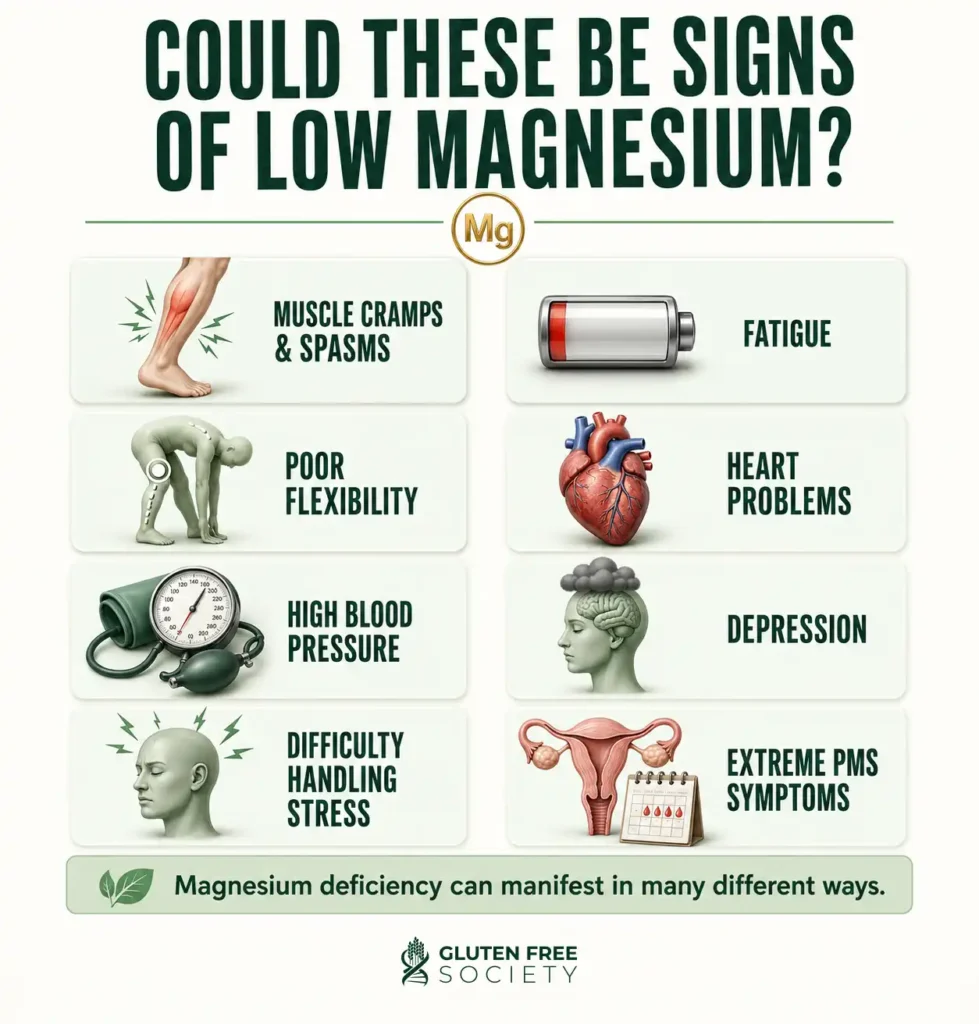
45% of the population is estimated to have magnesium deficiency. With that in mind, the highest risk groups include:
| Medication or Drug Class | Magnesium Connection | Practical Consideration |
|---|---|---|
| Proton pump inhibitors | Long-term use can reduce intestinal magnesium absorption and cause hypomagnesemia | Baseline and periodic serum magnesium may be appropriate during prolonged treatment, especially with other risk factors |
| Loop diuretics | Increase urinary magnesium loss | Monitor magnesium with potassium and kidney function |
| Thiazide diuretics | Increase urinary magnesium loss | Risk may be higher with low intake, diarrhea, diabetes, or another magnesium-lowering drug |
| Potassium-sparing diuretics | Reduce magnesium excretion rather than increasing it | Do not assume all diuretics have the same effect |
| Cisplatin and carboplatin | Can cause renal magnesium wasting; cisplatin has the stronger association | Oncology protocols commonly monitor magnesium |
| EGFR inhibitors | Cetuximab and panitumumab can produce substantial renal magnesium loss | Repeated monitoring is often required |
| Aminoglycoside antibiotics | Can impair renal magnesium reabsorption | Risk rises with prolonged exposure or kidney injury |
| Amphotericin B | Can increase renal magnesium wasting | Electrolytes require monitoring |
| Tacrolimus and cyclosporine | Can promote renal magnesium loss | Common concern in transplant medicine |
| Tetracycline antibiotics | Magnesium binds the drug in the intestine and reduces antibiotic absorption | Take the antibiotic at least 2 hours before or 4 to 6 hours after magnesium |
| Quinolone antibiotics | Magnesium can reduce antibiotic absorption | Separate dosing by the recommended interval |
| Oral bisphosphonates | Magnesium can reduce absorption of the medication | Separate by at least 2 hours |
| Magnesium-containing laxatives and antacids | Can deliver very high magnesium doses | Count medicinal magnesium as part of supplemental intake |
Do not stop a prescribed medication solely because it appears on list above. Use the list to have an intelligent conversation with your doctor.
Magnesium absorption occurs throughout the intestine, with important absorption in the small bowel and colon.
Risk can increase after:
Ileal resection is particularly relevant. A small randomized crossover study found that magnesium diglycinate was better tolerated and appeared more absorbable than oxide in the subgroup with the greatest absorption impairment.
Gallbladder removal alone is not an established direct cause of magnesium deficiency. However, chronic diarrhea or altered digestion after surgery can indirectly increase risk.
| Group | Recommended Daily Magnesium |
|---|---|
| Men, 19 to 30 | 400 mg |
| Men, 31 and older | 420 mg |
| Women, 19 to 30 | 310 mg |
| Women, 31 and older | 320 mg |
| Pregnancy, 19 to 30 | 350 mg |
| Pregnancy, 31 to 50 | 360 mg |
| Breastfeeding, 19 to 30 | 310 mg |
| Breastfeeding, 31 to 50 | 320 mg |
These totals include magnesium from food, beverages, supplements, and medications.
Contrary to what many believe, the “upper limit” does not establish magnesium toxicity. It reflects the the starting dose where increased risk of gastrointestinal side effects, particularly diarrhea can show up for some people.
Magnesium has been unfairly boxed in by an outdated safety limit. in 1997, the adult upper limit for supplemental magnesium was set at 350 mg per day, largely because of concerns about loose stools or diarrhea. Current research shows that people taking as high as 1,200 mg per day do not report greater bowel symptoms.
Based on current research and my clinical experience, the fear around magnesium supplementation is largely exaggerated. Magnesium is one of the most common nutrient deficiencies, and when government guidelines are too conservative, it creates unnecessary fear for people trying to determine how much magnesium they should take.
The practical takeaway is simple: Dosing varies from person to person based on many factors. If you are trying to figure out how much is right for you, get tested first. Determine whether you even need it. If you start supplementing, consider starting low and working your way up based on your personal response. Start with a conservative 200 mg daily. If you find that dose to not be effective, work your way up. Research is clear that magnesium is safe to supplement at higher doses. My general recommendation is to keep it at 800 mg per day or less if you are not working with a trained expert or if you are not being guided by testing. That being said, 1200 mg per day is necessary for many to have a positive response.
Taking magnesium with a meal can reduce nausea or abdominal discomfort. People using larger amounts often tolerate divided doses better than one large dose.
There is no universal biological requirement to take magnesium at night.
Evening dosing is popular because:
Morning or divided dosing is equally reasonable when better tolerated.
There is no single correction timeline. It depends on:
A person with a small dietary shortfall is different from someone with severe hypomagnesemia, chronic diarrhea, or cisplatin-induced renal wasting.
Magnesium toxicity is rare, and the greatest risk is for those with chronic kidney disease. If you have CKD, work with an expert to guide and monitor you. Too much magnesium from food is not a concern. Symptoms to look out for include:
| Too Much Magnesium May Cause | Why It Happens |
|---|---|
| Loose stool or diarrhea | Unabsorbed magnesium draws water into the intestine |
| Nausea and abdominal cramping | Osmotic and gastrointestinal effects |
| Fatigue or lethargy | Rising magnesium can depress nerve and muscle activity |
| Muscle weakness | Excess magnesium reduces neuromuscular excitability |
| Low blood pressure | Vascular relaxation becomes excessive |
| Facial flushing | Vascular effects |
| Slow or irregular heartbeat | Excess alters cardiac electrical conduction |
| Breathing difficulty | Severe toxicity suppresses neuromuscular function |
| Cardiac arrest | Extreme hypermagnesemia can stop normal conduction |
If you are pairing magnesium with blood pressure medication, monitor your pressure and make sure it doesn’t drop too low. From my clinical experience, patients on medications opting to take higher doses of magnesium can create a scenario where blood pressure drops, leading to increased fatigue and weakness. It is always a smart idea to discuss high dose supplementation with a nutritionally trained to doctor if you have medication interaction concerns.
Testing magnesium is more complicated than testing many other nutrients.
Less than 1 percent of total-body magnesium is found in serum. Most is inside cells or stored in bone. Serum testing is useful, but it does not provide a complete picture.
| Test | What It Measures | Advantages | Limitations |
|---|---|---|---|
| Serum magnesium | Magnesium circulating in serum | Widely available | Poor correlation with total-body and tissue stores. Normal results don’t accurately rule out magnesium deficiency. |
| RBC magnesium | Magnesium inside red blood cells | More accurate than serum. Adds an intracellular perspective | Results vary by laboratory and pre-analytic handling; not a universal gold standard |
| Ionized magnesium | Biologically active ionized fraction | Potentially useful in acute or specialized settings | Limited availability and handling sensitivity |
| 24-hour urine magnesium | Magnesium excreted in urine | Helps distinguish renal loss from poor intake or gastrointestinal loss | Influenced by recent intake, kidney function, and collection accuracy |
| Spot urine magnesium | Urinary loss at one point | Easier to collect | Less comprehensive than a properly collected 24-hour test |
| Magnesium-loading test | Retention after a controlled magnesium dose | May identify body retention in specialized settings | Invasive, inconvenient, and not routinely available |
| Intracellular Nutrient Analysis (Lymphocyte Proliferation) | Functional performance of cells based on magnesium challenge | Can assess magnesium alongside other nutrients that work with magnesium. Measures cellular function outcomes using the patient’s own cells as the control. | Doctors rarely recommend testing due to lack of nutritional knowledge and training. |
No single magnesium test is fully satisfactory. A complete evaluation may require laboratory testing plus an analysis of diet, symptoms, medications, gastrointestinal history, kidney function, and related electrolytes.


| Food | Serving | Approximate Magnesium | Notes |
|---|---|---|---|
| Pumpkin seeds, roasted | 1 oz | 156 mg | One of the richest grain-free sources |
| Chia seeds | 1 oz | 111 mg | Also provides fiber and omega-3 ALA |
| Almonds | 1 oz | 80 mg | Calorie-dense; portion intentionally |
| Spinach, cooked | ½ cup | 78 mg | Cooking concentrates the serving |
| Cashews | 1 oz | 74 mg | Provides copper and healthy fats |
| Peanuts | ¼ cup | 63 mg | A legume; not tolerated by everyone |
| Black beans, cooked | ½ cup | 60 mg | Legume; preparation and tolerance vary |
| Edamame, cooked | ½ cup | 50 mg | Soy may not be appropriate for everyone |
| Peanut butter | 2 tbsp | 49 mg | Choose products without added sugar or hydrogenated oil |
| Potato with skin | 3.5 oz | 43 mg | A whole-food starch, not a grain |
| Banana | 1 medium | 32 mg | Also provides potassium |
| Salmon | 3 oz | 26 mg | Provides protein and omega-3 fats |
| Halibut | 3 oz | 24 mg | Protein-rich seafood |
| Avocado | ½ cup | 22 mg | Provides fiber and potassium |
| Chicken breast | 3 oz | 22 mg | Protein source, but not magnesium-dense |
| Ground beef | 3 oz | 20 mg | Protein, iron, zinc, and B12 |
| Broccoli, cooked | ½ cup | 12 mg | Nutrient-dense but modest magnesium content |
Food values are based on the NIH Office of Dietary Supplements and USDA data.
Food is foundational because it supplies magnesium together with protein, potassium, vitamins, fiber, phytonutrients, and other cofactors that work alongside magnesium.
Supplementation of magnesium may still be necessary when:

There are several different forms of magnesium used in the supplement industry. The following image illustrates the main types, and what they are best known for.
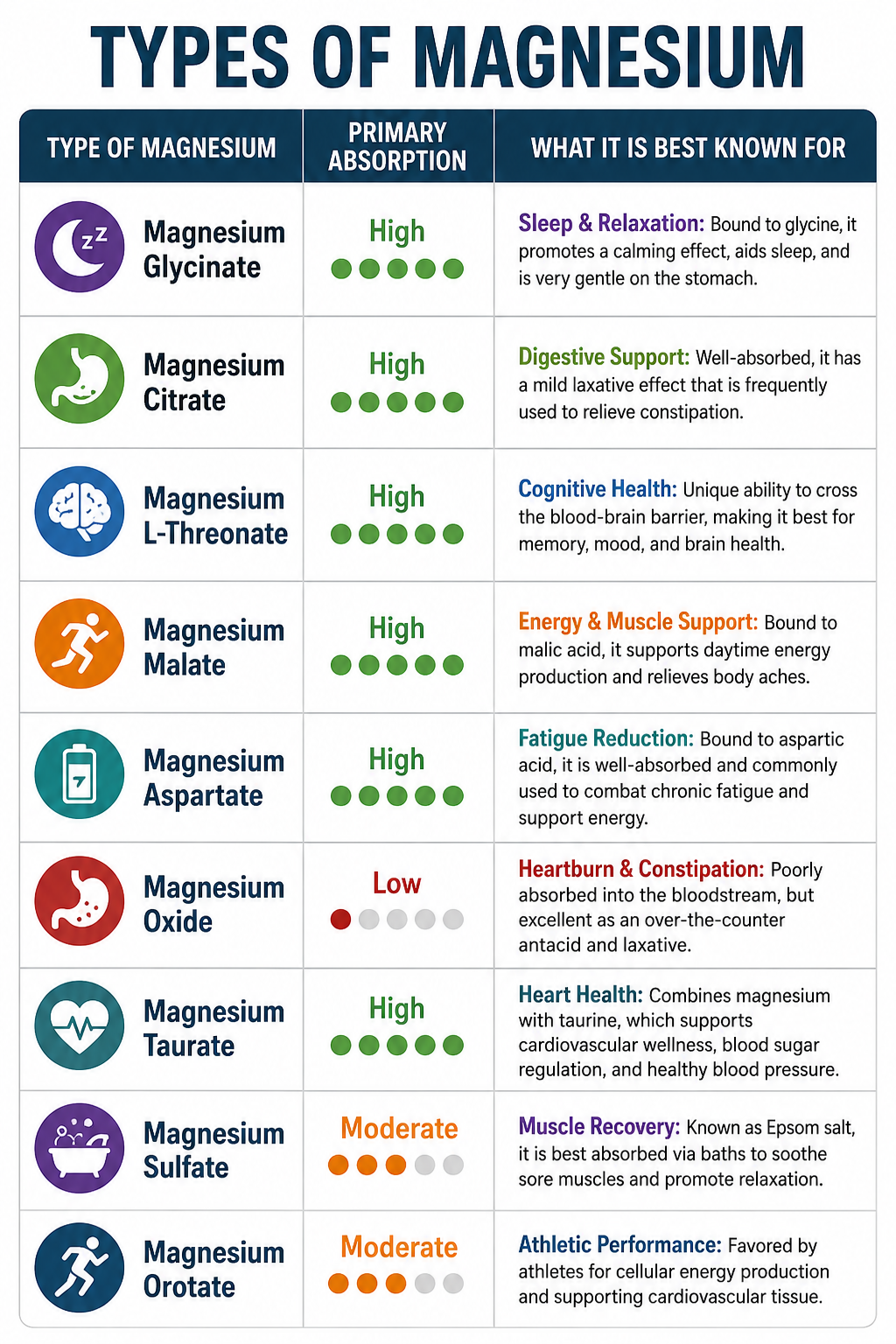
The form of magnesium you choose can influence how well it dissolves, how much reaches the bloodstream, and how it affects digestion. Magnesium citrate and amino-acid chelates are generally absorbed better than magnesium oxide. In a randomized trial, magnesium citrate produced greater increases in serum and urinary magnesium than oxide, while magnesium oxide performed no better than placebo on several measures. A separate controlled study also found citrate to be more soluble and bioavailable than oxide. This makes citrate a practical option for general magnesium support, especially when constipation is also present, while oxide is used more often for its antacid and laxative effects.
Magnesium glycinate, also called magnesium bisglycinate, combines magnesium with the amino acid glycine. It is commonly selected because it tends to be gentler on digestion than more laxative forms. A randomized, placebo-controlled trial involving 155 adults with poor sleep found that 250 mg of elemental magnesium from bisglycinate produced a modest improvement in insomnia symptoms after four weeks.
Magnesium L-threonate is marketed for cognitive and neurological support because preclinical research suggests it can increase magnesium concentrations in the brain. Recent human trials have reported improvements in selected measures of working memory, reaction time, mood, and subjective sleep. It should be noted that these studies were funded by the manufacturer of the branded ingredient.
Other forms, including magnesium malate, aspartate, taurate, and orotate, are frequently promoted for energy, muscle pain, cardiovascular support, or athletic performance. These compounds may be well absorbed, but direct human evidence showing that each form produces a unique clinical benefit remains limited.
Magnesium sulfate, commonly called Epsom salt, has increased in popularity as anecdotal reports of benefits have spread. A scientific review concluded that reliable systemic magnesium replacement through baths, sprays, or creams has not been demonstrated. Oral magnesium and magnesium-rich foods remain the better-supported ways to improve magnesium status.
| Nutrient | Why It Works With Magnesium |
|---|---|
| Vitamin D | Magnesium-dependent enzymes participate in vitamin D activation and metabolism |
| Calcium | Both regulate muscle, nerve, bone, and cell signaling; balance is more important than chasing a rigid ratio |
| Potassium | Magnesium deficiency can contribute to potassium loss and make hypokalemia difficult to correct |
| Sodium and fluids | Sweating, diarrhea, and vomiting can create broad electrolyte losses rather than isolated magnesium loss |
| Protein | Magnesium supports protein synthesis, while adequate amino acids provide the building material |
| Vitamin B6 | Participates in nervous-system and amino-acid metabolism; combined formulas have been studied, but B6 should not be overdosed |
| Zinc | Both support enzymes, but very high supplemental zinc can interfere with magnesium balance |
| Thiamine and other B vitamins | Work with magnesium in cellular energy pathways |
| Glycine | Used in magnesium glycinate and is also required for glutathione synthesis |
| Vitamin K | Works with vitamin D, calcium, and magnesium in bone physiology |
Nutrients work together to form a symphony of synergistic functions. Magnesium shares many roles with many different nutrients. For example, a randomized trial found that magnesium supplementation changed vitamin D metabolism according to baseline vitamin D status. If vitamin D was low, magnesium dependent enzymes helped to increase it. If vitamin D levels were too high, magnesium helped break vitamin D down and clear it. Another trial found that combined magnesium and vitamin D produced a larger increase in vitamin D levels than vitamin D alone in overweight or obese adults.
This synergism between nutrients is exactly why I recommend testing nutritional status in a comprehensive way before attempting high dose supplementation.

Celiac disease provides a clear biological route to magnesium depletion. Chronic diarrhea, villous injury, intestinal inflammation, and fat malabsorption can reduce magnesium absorption and increase gastrointestinal loss. In addition, the chronic inflammation caused by gluten can tax magnesium stores. This in turn can reduce the body’s ability to control inflammation. Thus the relationship is double edged. Magnesium regulates inflammation…inflammation causes magnesium wasting. This is why going gluten free does not always correct a magnesium deficiency.
Removing gluten exposure may stop the ongoing gut inflammation triggering malabsorption, but it does always lead to nutritional correction. Multiple variables can complicate the issue:
Most gluten-free products are built from refined starches and provide little magnesium. Replacing wheat-based processed food with rice-, corn-, or tapioca-based processed food does not guarantee nutritional recovery.
Bottom Line: Going gluten-free is not the same thing as healing from years of malabsorption. Removing gluten is step one. Rebuilding nutrient status is another essential part of recovery.
Magnesium helps keep the immune system balanced. It supports regulatory T cells (Tregs), the immune system’s “brakes,” which help prevent immune cells from attacking healthy tissue. Magnesium also helps reduce inflammatory cytokines such as TNF-α and IL-6, both of which are commonly elevated in autoimmune disease. When magnesium levels are low, inflammation can become more difficult to control.
Magnesium also supports gut health by helping maintain the intestinal barrier and promoting beneficial gut bacteria that produce short-chain fatty acids (SCFAs). These compounds help strengthen the gut lining and promote a healthier immune response. Low magnesium may contribute to intestinal permeability, gut dysbiosis, and chronic immune activation.
Researchers have found that people with autoimmune diseases such as rheumatoid arthritis and lupus often have lower magnesium levels than healthy individuals, and lower levels have been linked to greater disease activity in lupus. While magnesium supplementation is not a cure-all treatment strategy for autoimmune disease, maintaining adequate levels may help support a healthier immune response and reduce inflammatory burden.
Step 1: Review your symptoms.
Look for fatigue, weakness, poor appetite, tingling, twitching, muscle contractions, cramps, palpitations, or persistent low potassium or calcium.
Step 2: Review your diet.
Estimate your intake from seeds, nuts, leafy vegetables, legumes if tolerated, avocado, seafood, meat, and mineral-rich water.
Step 3: Review medications.
Pay close attention to PPIs, loop diuretics, thiazide diuretics, platinum chemotherapy, EGFR inhibitors, aminoglycosides, amphotericin B, tacrolimus, and cyclosporine.
Step 4: Review digestive history.
Consider chronic diarrhea, celiac disease, inflammatory bowel disease, recurrent vomiting, fat malabsorption, or pancreatic problems.
Step 5: Review surgical history.
Small-bowel resection, ileal resection, bypass surgery, and chronic postsurgical diarrhea increase risk.
Step 6: If Possible, Test, Don’t Guess.
INA or RBC intracellular measurements are most helpful and accurate.
Step 7: Correct the cause.
Do not simply add magnesium while ignoring the factors that created the deficiency in the first place – i.e. diarrhea, gluten exposure, poor glucose control, alcohol use, medication effects, or a processed diet.
Step 8: Use food and targeted supplementation.
Select a dose and form based on the size of the gap, absorption, clinical goal, and digestive tolerance.
Step 9: Retest.
Persistent symptoms or ongoing high-risk exposures require follow-up rather than indefinite blind supplementation.
The more boxes you check, the stronger the case for a comprehensive evaluation.
Feeling tired or having leg cramps does not prove magnesium deficiency.
Serum magnesium is valuable, especially for overt deficiency and acute care, but it has limited correlation with total-body stores.
A product may list a large amount of magnesium citrate or glycinate while delivering a much smaller quantity of elemental magnesium. Always read the supplement panel box to determine accurately how much total magnesium is in each serving.
No magnesium form is automatically best for every person or every goal.
Oxide contains a high percentage of elemental magnesium but is relatively poorly absorbed and more likely to have a laxative effect.
Dividing the dose may improve absorption and tolerance.
Persistent diarrhea from a supplement can increase fluid and electrolyte loss, defeating the purpose of supplementation.
Reduced kidney clearance can turn an ordinary supplement dose into a toxicity risk.
Clinical trials do not show reliable benefit for common nighttime cramps in older adults who are not known to be deficient.
Supplementation may fail when ongoing intestinal damage, diarrhea, or dietary exposure continues.
Removing wheat does not automatically create a magnesium-rich diet.
Long-term dosing without reassessment can miss continued loss, poor absorption, unnecessary supplementation, or a different root cause.
Magnesium supports energy production, muscle and nerve function, normal heart rhythm, blood sugar regulation, blood pressure, bone structure, DNA and protein synthesis, glutathione production, and vitamin D metabolism.
Early signs can include fatigue, weakness, loss of appetite, nausea, and vomiting. As deficiency progresses, tingling, numbness, contractions, cramps, seizures, personality changes, and abnormal heart rhythms can occur.
Symptoms and risk factors can raise suspicion, but testing is required. Serum magnesium is a useful starting point. Intracellular Nutrient Analysis (INA), RBC magnesium, urine magnesium, ionized magnesium, related electrolytes, diet, medications, and digestive history may add context.
No. Serum magnesium can identify overt hypomagnesemia, but it does not accurately reflect total-body or tissue magnesium because less than 1 percent of the body’s magnesium is in serum.
Grain-free foods with high magnesium content include pumpkin seeds, chia seeds, almonds, cooked spinach, cashews, peanuts, black beans, edamame, and peanut butter.
Yes. Chronic diarrhea, villous injury, and malabsorption associated with celiac disease can gradually deplete magnesium. Small-intestinal resection or bypass further increases the risk.
Long-term PPIs, loop and thiazide diuretics, platinum chemotherapy, EGFR inhibitors, aminoglycosides, amphotericin B, tacrolimus, and cyclosporine are among the medications linked to hypomagnesemia.
Citrate, malate, glycinate, threonate, chloride, lactate, and aspartate generally have greater bioavailability than oxide and sulfate. Glycinate is often selected for tolerance, while citrate is commonly chosen when a mild stool-loosening effect is acceptable.
Adult men require approximately 400 to 420 mg daily, and adult women require approximately 310 to 320 mg daily. These totals include food, beverages, supplements, and medications.
Yes. Excess supplemental magnesium can cause diarrhea, nausea, cramping, weakness, low blood pressure, breathing difficulty, abnormal heart rhythm, and, in extreme cases, cardiac arrest. Risk is highest when kidney function is impaired.
Small trials suggest magnesium may shorten sleep-onset time or improve selected sleep measures, especially in certain populations or with specific forms. The overall evidence remains limited, and magnesium will not correct every cause of poor sleep.
Human trials suggest that magnesium can modestly reduce migraine frequency in some people. Studied doses often range from 300 to 600 mg daily and may exceed the supplemental upper limit.
Magnesium can help when cramping is caused by deficiency. Trials do not show a consistent benefit for ordinary nighttime cramps in older adults who are not known to be deficient.
Magnesium helps activate and metabolize vitamin D. Assessing magnesium status can be useful when vitamin D remains low or responds poorly despite supplementation.
Long-term use can be appropriate when the dose is necessary, kidney function is adequate, medications have been reviewed, and status is periodically reassessed. Indefinite high-dose supplementation without testing is not an intelligent strategy.
Magnesium is an essential mineral. Your cells need it to make energy. Your nerves need it to communicate. Your muscles need it to contract and relax. Your heart needs it to maintain electrical stability. Your bones, DNA, proteins, antioxidant systems, blood sugar pathways, and vitamin D metabolism all depend on it.
Deficiency can mimic disease. Medication use can lower magnesium. Gluten-related intestinal damage can impair absorption. Diabetes can increase urinary loss. Processed food can leave intake chronically inadequate. If you suspect a magnesium deficiency, make sure to work with a doctor trained in nutrition to assess your levels, and help you determine whether magnesium supplementation is something you should consider.






2 Responses
Excellent information!
I have taken magnesium for a couple of years, it eliminated my cardiac arrhythmias for which I am grateful. My cardiologist was threatening me with blood thinners and a pace maker.
I am currently taking magnesium Threonate 1026 mg q day.
After reading your article I read my pulse and is slow.
I do have low thyroid function, wondering if I should reduce the magnesium dosage or change to a different type of magnesium.
I do get cramps fairly frequently.