new to the gluten free journey?

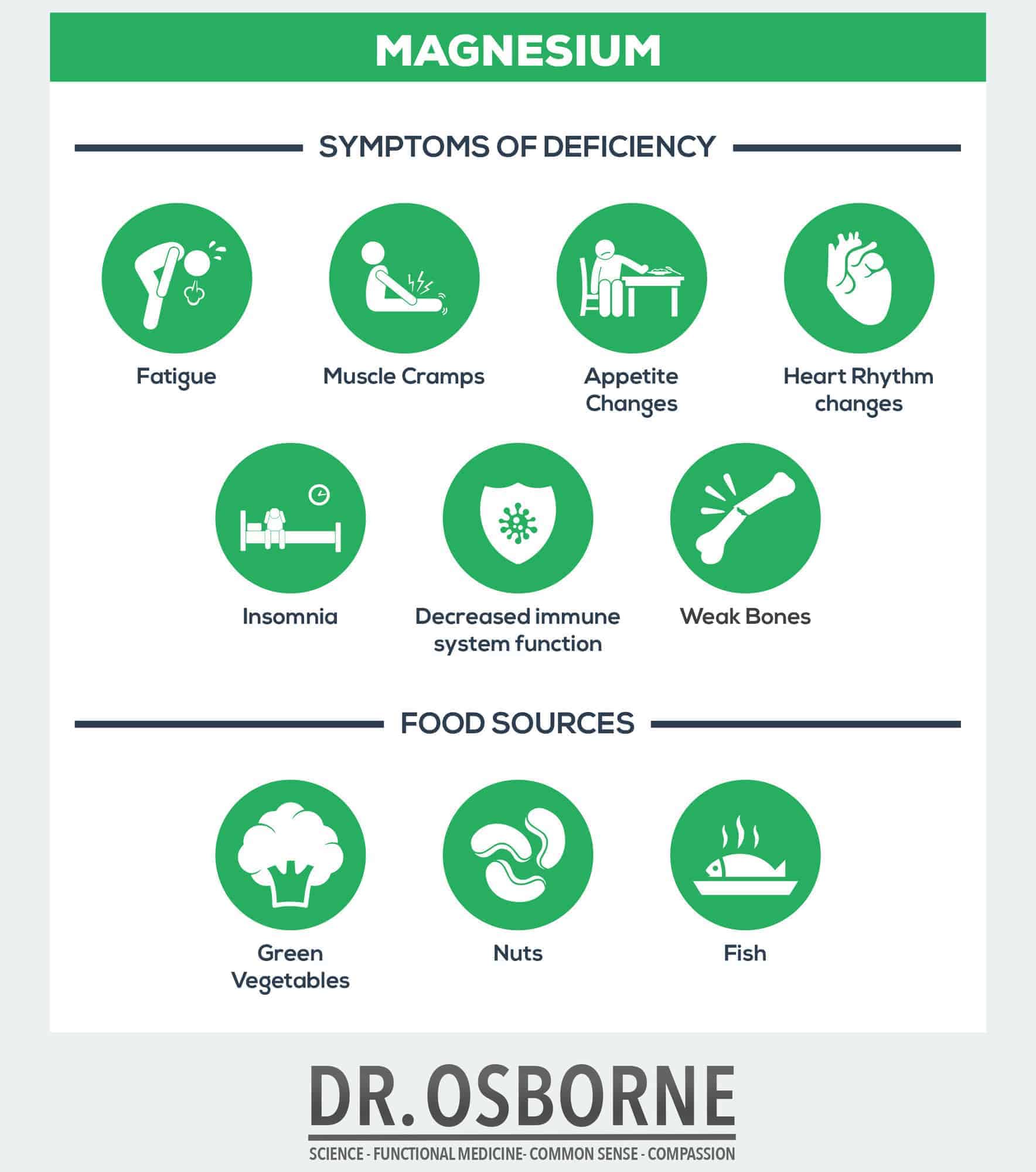
Most people are aware that gluten can induce malabsorption of nutrients. Gluten can cause damage to intestinal cells can reduce the production of digestive enzymes that help break down foods and aid in nutrient absorption. Additionally, it can contribute to villous atrophy, leaky gut syndrome, and diarrhea. All of these issues are associated with poor nutritional absorption.
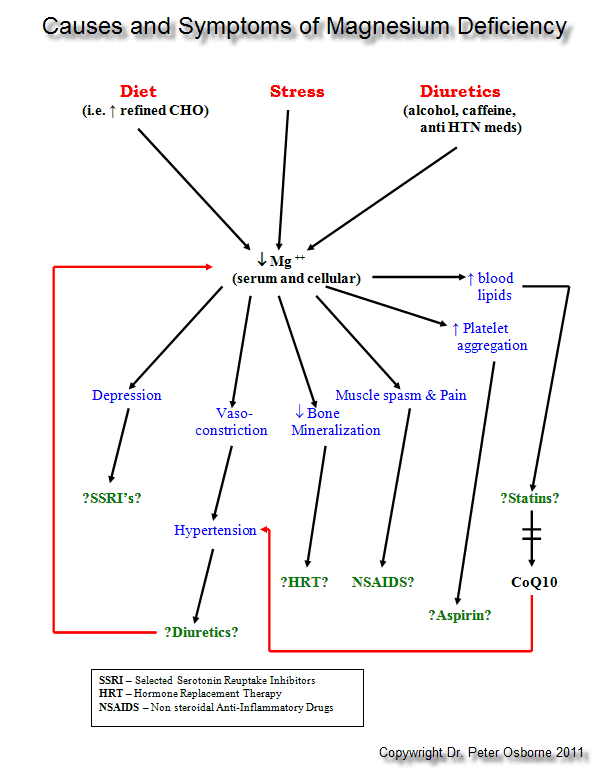
The following video discusses the causes and consequences of magnesium deficiency. Lack of this mineral is extremely common in those with food intolerance issues, and often times the symptoms mimic other diseases.
Vegetables and fruits, pumpkin seeds (very high)
If you suspect that you have a magnesium deficiency, talk with your doctor about testing your levels. Supplementation is very safe and has been shown to be extremely beneficial for those with malabsorption issues. For a high quality, TRUE gluten free source of magnesium, go here now <<<
In good health,
Dr. Osborne – AKA The Gluten Free Warrior
P.S.
If you found the video helpful, please forward it to someone you love and click the “like” button above.






12 Responses
Excellent video. I knew immediately that the deficiency you hinted at in the previous screen was going to be magnesium. Not only is this video important for understanding magnesium deficiency, but it really showcases allopathic medicine’s contribution to the worsening of one’s health by not addressing cause but suppressing symptoms.
If someone doesn’t get a blood test and supplements magnesium daily, is there danger of over consumption of magnesium? Are there companion nutrients that should be taken in addition to magnesium, such as calcium? Is there danger of over-supplementation?
I developed myoclonic seizures as a result of severe magnesium deficiency secondary to untreated celiac disease. Supplementing reduces them but I’ve got them forever.
I have had absent seizures for 20 years now and I have been anemic and vitamin deficient for years also. I might have to try to take maganesium and calsuim. But I wonder will they affect my seizure meds. I haven’t been tested for celiac disease.
I’ve been taking magnesium citrate for yrs after first learning about it on a call-in tv show with Dr Richard Becker called “Your Health”. He says that calcium is so highly advertised, but that the more important mineral that works to balance calcium is magnesium and it’s not promoted hardly at all. I’m glad Dr O is informing people about how vital this is to take.
As far as dosage is concerned Dr Becker tells people to keep increasing their dosage slowly in a day until they get diarrhea and then to back the dosage down to a little under that level. He also has a topical magnesium that I buy from his website BioInnovations that has been very helpful to me as this won’t cause diarrhea.
Don’t just take my word for how much to take in case I’ve repeated his words in error. I know there’s a book on his website though I haven’t read it myself called The Magnesium Miracle (or something like that) also written by another nutritionally-wise doctor.
In order to get calcium to the bone, magnesium is needed. Also, co factors such as boron.
As far as magnesium causing diarrhea…avoid the magnesium oxide unless you are constipated and only take to bowel tolerance.
Magnesium glycinate is a good form that doesn’t cause diarrhea.
Hello,
Great resource! I think you need to look into Vitamin K for celiacs too.
I was diagnosed by your DNA test to be Non-celiac, gluten sensitive in Feb. The test determined I inherited a gene from each parent to cause this. I’ll soon be 70. My migraines continue even though I’ve been grain-free for approx 9 months. My magnesium level is ok and I’m waiting to get the results of my Spectracell tests. What type of food allergy tests do you recommend? I had a number of allergy tests in March that showed strong molds of sev types, alternaria, ragweed, animal dander, etc. I’ve been tested for wheat (positive), dairy, eggs, nuts, etc and all of those were in normal ranges. Thank you! Annette
Great srticle
Excellent video! lots of knowledge, thank you for sharing all this information with us. God bless you!
Fabulous video Dr. Osborne. I am a huge fan of your work. You are saving lives every day through your informative talk. Thank you very much.
Some of the tests doctors order don’t always show magnesium deficiency, even if you have it. If you have symptoms like hair falling out or feeling cold when others don’t, then take magnesium (any form but oxide because it doesn’t absorb well).
Thanks for all your great teaching; I love it!!
I think I might be magnesium defi be cause I have sever Celic Disease but I need help from a functional Doctor. Only problem is I must use my Medicare insurance and my back up Cigna insurance. I am a senior on a limited budget.